OpenAI has launched a new feature for ChatGPT that transcribes your speech in real time and eliminates the ten-minute recording limit. The chatbot’s dictation tool was previously capped with a ten-minute recording limit and would wait for you to finish before generating a complete transcription.
The Live Dictation feature is part of a broader push within OpenAI to make interacting with AI feel more natural (and in theory more appealing) than having to thumb out one text prompt after another. In July, the company released a voice model called GPT-Live-1, which was designed to mimic the subtleties of human speech, including spontaneous bursts of laughter and mid-sentence pauses, as if the model were lost in thought. During a livestream launch video, an OpenAI researcher said GPT-Live-1 “is one step closer to a truly accessible AGI, a world where talking to AI actually starts to feel like a real conversation” (even if it still thinks there are two “E”s in “seventeen”). Other AI startups, like Friend—whose New York City subway ads were widely defaced—have been selling voice-enabled AI companions as alternatives to traditional chatbots.
While OpenAI isn’t explicitly promoting the now rant-friendly ChatGPT as a “companion” à la Friend, the update could conceivably encourage oversharing. There’s some evidence to suggest that AI users tend to be slightly more open when communicating verbally with the technology: A 2025 study with 171 knowledge workers, conducted by the Danish audio equipment company Jabra and the London School of Economics, found that participants’ trust towards AI went up by an average of 33% when using voice commands compared to text prompts.
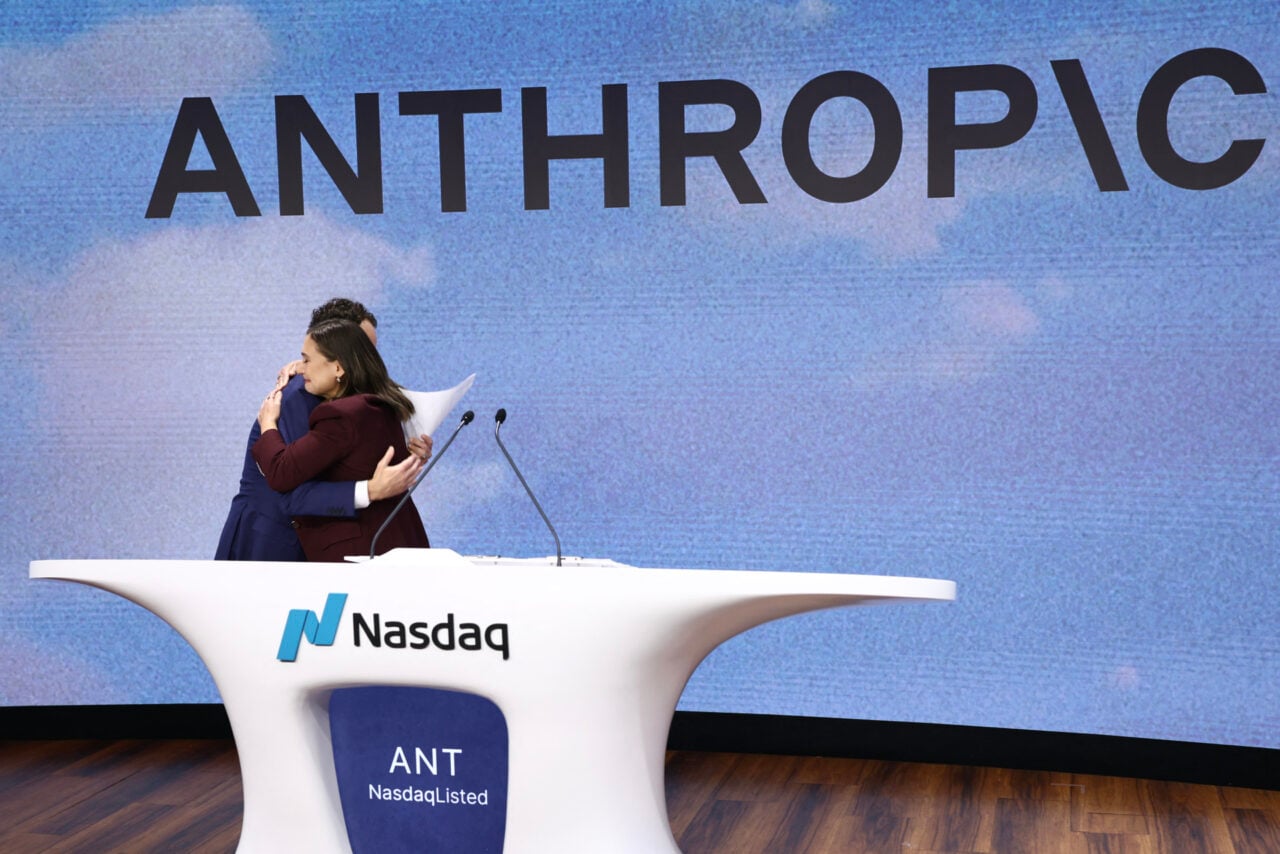
There’s also the obvious fact that humans have been yapping for much, much longer than they’ve been using keyboards or touchscreens. That could give the Live Dictation feature genuine appeal among a mainstream audience, which OpenAI sorely needs to win over before it follows in Anthropic’s footsteps and moves forward with its own IPO. I personally find myself sending voice commands to ChatGPT and Claude much more often than I send typed prompts. But I also strive to be cautious with how much information I share with any chatbot. Having to type out prompts, I find, enforces a cautious deliberation that often flies out the window when I start rambling out voice commands. And for certain people who perhaps already don’t have the healthiest of relationships with ChatGPT—using it in lieu of a human therapist, say—the elimination of the ten-minute window could make it dangerously easy to go full stream-of-consciousness mode, revealing all kinds of personal information. In fact, that seems to be precisely what OpenAI has in mind: In a short demo video published Wednesday morning on X, an actor using the new Live Dictation feature rambled on about his relationship with his close friend before asking the chatbot to organize everything he’d said into bullet points for a best man speech.

The elimination of the dictation time limit could therefore be a goldmine of training data for OpenAI. “If you are a consumer user and have chosen to share audio to improve our models, we may train on audio from dictation,” the company writes on its website. To disable sharing, click on Settings in ChatGPT and turn off “Improve the model for everyone.” (Outputs from business users are by default not shared with the company to train new models.)
Live Dictation started rolling out on Wednesday for all ChatGPT plans across iOS, Android, web, and the desktop app.