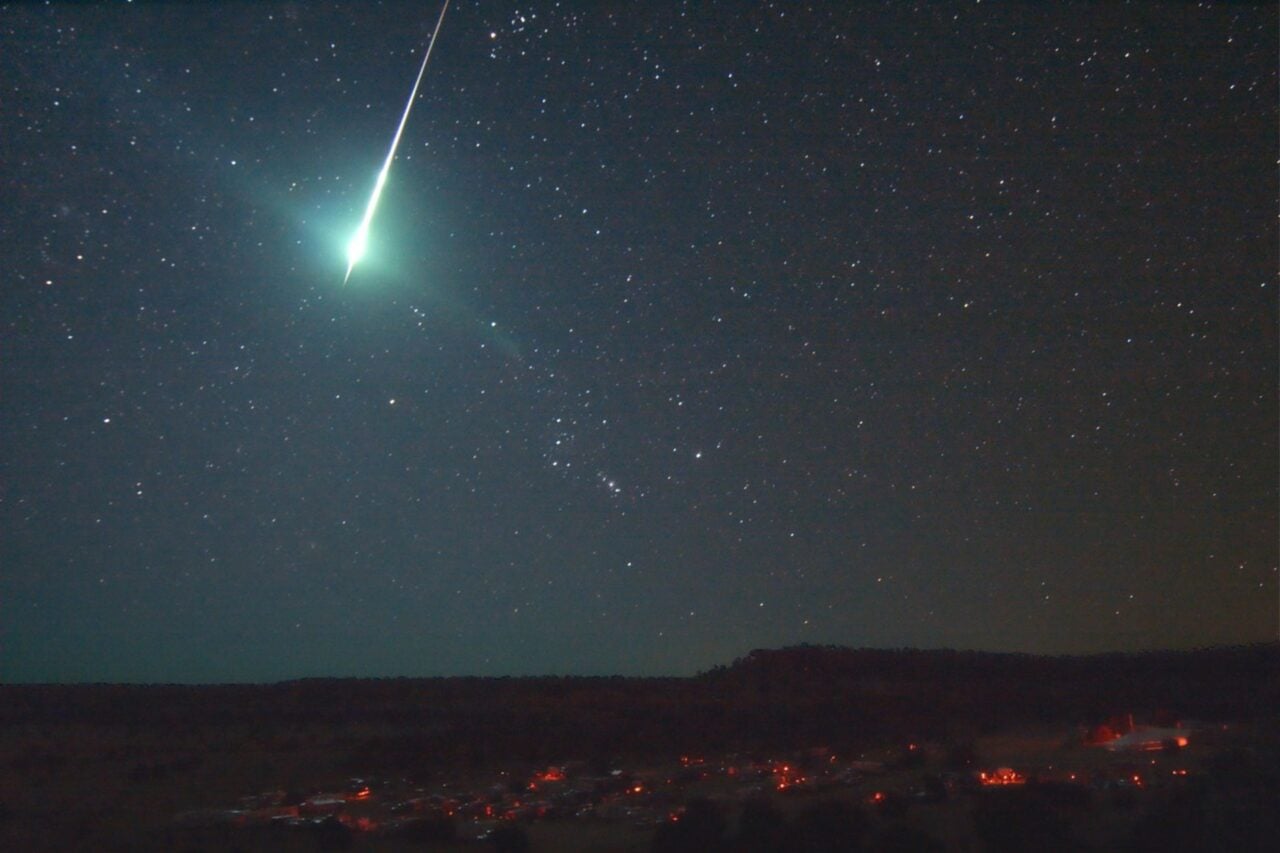
Doomsday meteors get a bad rap. For decades, these poor rocks have been tarnished in the press and demonized in major Hollywood productions over the relatively limited number that have caused extinction-level events on our planet. But what about the meteors that could have created life on Earth?!? Do you ever hear about those?
Well, you will now. Two marine researchers have released a comprehensive review of scientific studies investigating three of the planet’s largest meteor impact sites: Lonar Lake in India, the Haughton impact structure in Canada, and the infamous dinosaur-killing Chicxulub impact crater along the Yucatán Peninsula. Each of these fiery collisions generated so much heat, for so long, that they incubated long-lasting hydrothermal vent ecosystems “that persisted for centuries,” the researchers argue in their new paper.
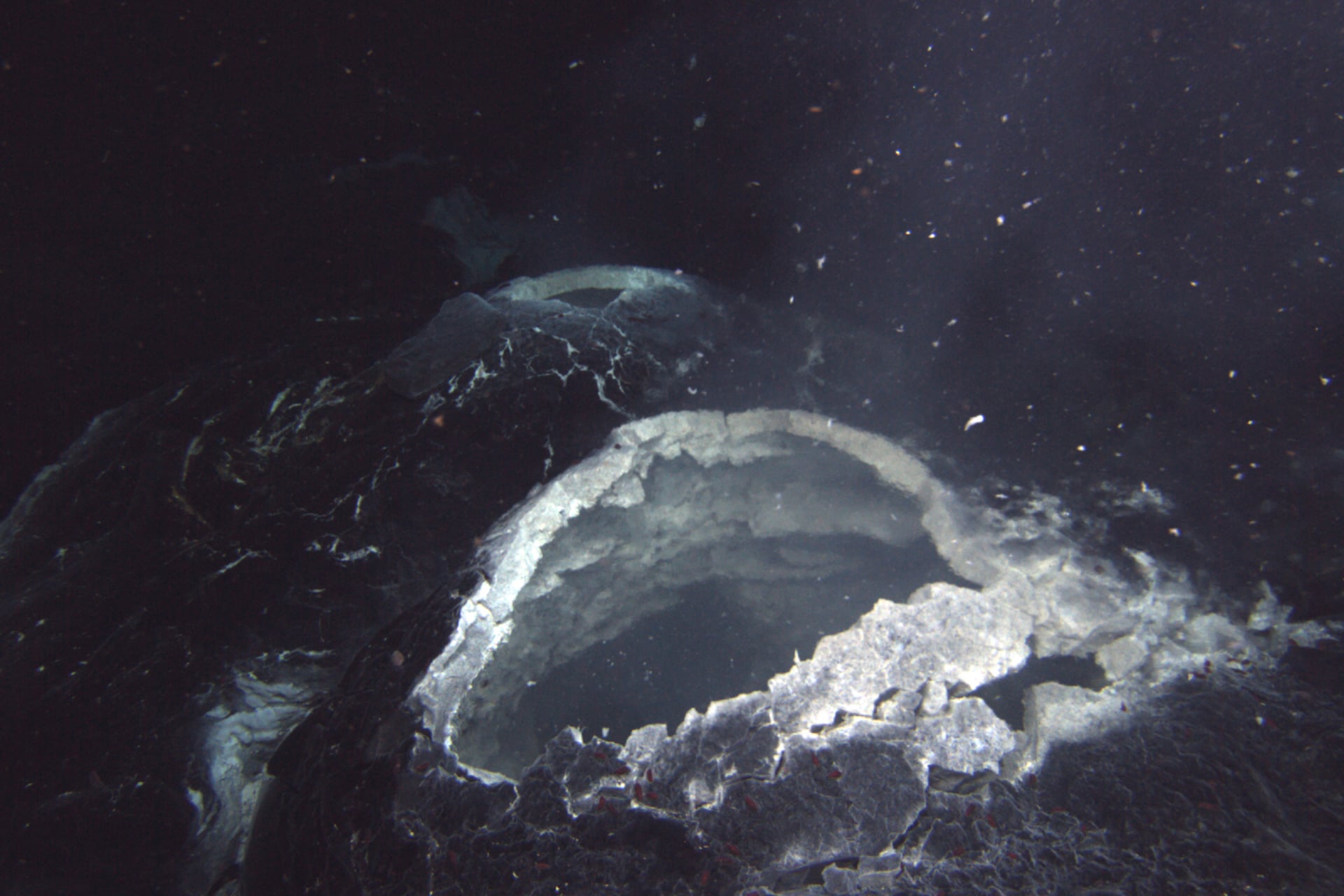
In brief, the potentially life-giving impact of a large meteor strike can be attributed to intense heat and significant mass displacement. The surrounding rock melted by this type of collision contributes to a hot, mineral-rich environment that produces the chemical conditions for new microbial life, as water pours into the new crater.
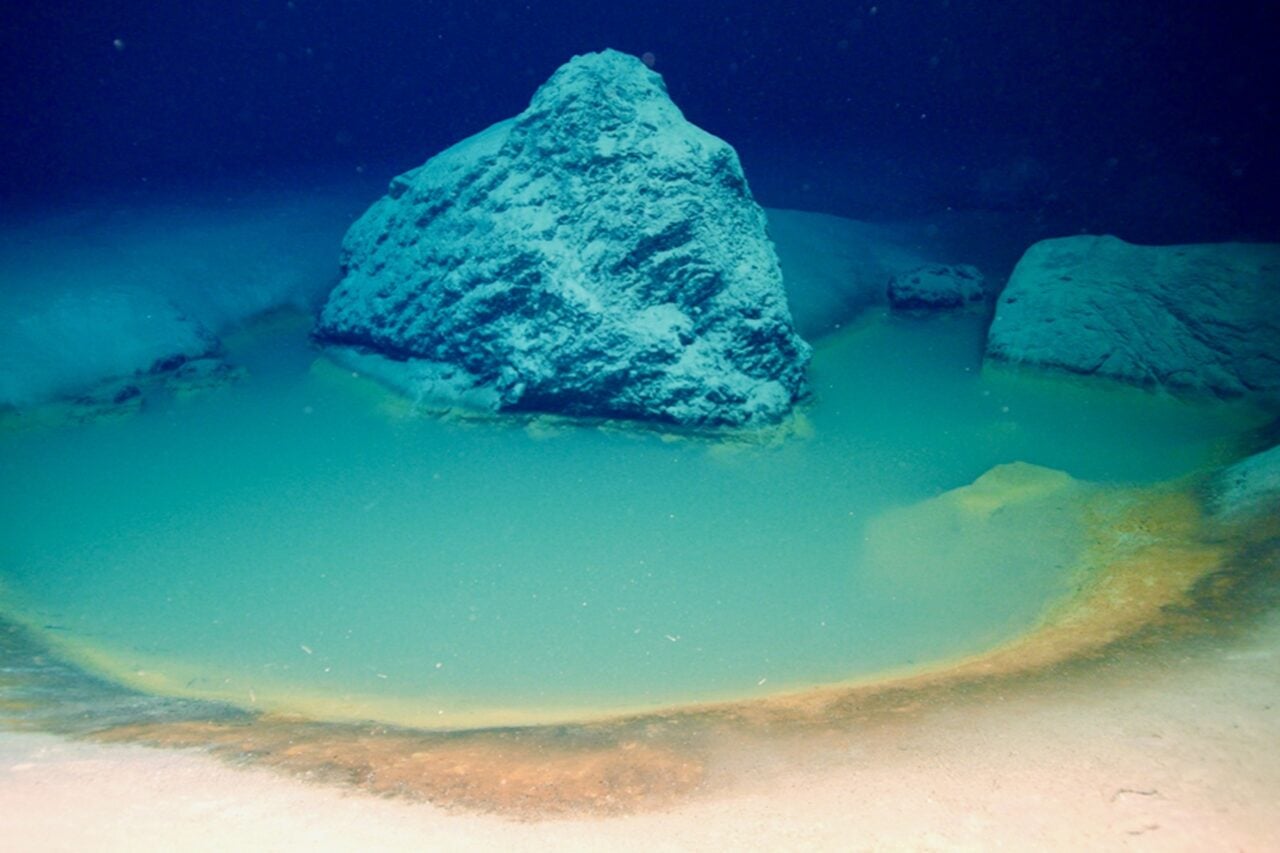
“You have a lake surrounding a very, very warm center,” as the review’s lead author, Shea Cinquemani, explained in a statement. “And now you get a hydrothermal vent system, just like in the deep sea, but made by the heat from an impact.” (And, as with deep-sea hydrothermal vents, these ecosystems can thrive without energy derived via photosynthesis from the Sun.)
A meteoric rise
“We have talked for many years about the possibility that life may have originated at deep-sea hydrothermal vents,” according to oceanographer Richard Lutz, whose earliest postdoctoral research in the late 1970s led to the discovery of the undersea life thriving near these vents.
Cinquemani was an undergraduate student of Lutz’s at Rutgers last year—where a class assignment arguing that microbial life may have arisen near ancient hydrothermal vents on Mars evolved into a fully fledged peer-reviewed journal article.
Of the craters Cinquemani and Lutz examined, the Haughton Impact Structure in the Canadian Arctic is perhaps the most instructive. The 14-mile (23-kilometer) diameter crater, smashed into existence roughly 31 million years ago, generated its own heat for “several thousand years” before dissipating below the 122 degrees Fahrenheit (50 degrees Celsius) needed to maintain its self-generated system of hydrothermal vents, according to the study.
“Despite the decreased temperature from being closer to the poles, the magnitude of the heat given off by the impact and stored inside the resulting structure would have kept the crater lake from freezing or dissipating,” the authors wrote in the study.
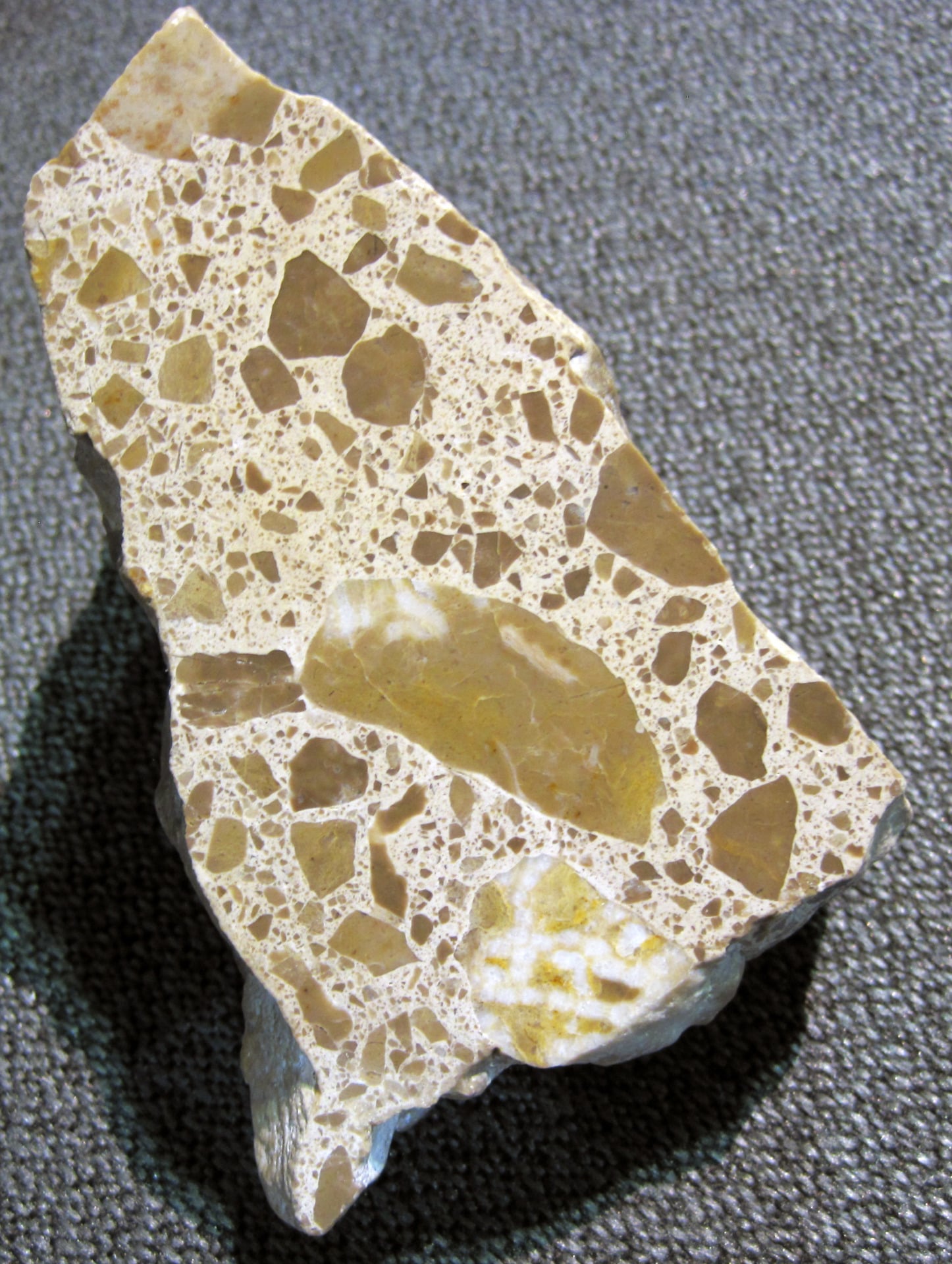
Haughton’s geological record, in fact, is replete with sediment-packed fragments of broken rock known as breccia, along with veins formed by underground waterways and other signs of hydrothermal mineral deposition, including celestite, barite, and fluorite. It’s powerful evidence that the right meteor can create a long-lasting system of hydrothermal vents even when surrounded by frigid, hostile terrain.
Any hypothetical asteroid strike early in Earth’s history might have had an even better chance of fostering hydrothermal vents closer to the heat of the equator. It’s worth noting that, while the Chicxulub impact crests on land, its ground zero is actually located offshore in the Gulf of Mexico. With 70% of our planet’s surface covered by water, the odds are high that any meteors to hit the young Earth had an ocean splashdown.
“We may never know exactly how we began, but we can try our best to understand how things might have occurred,” Cinquemani said.
Just venting?
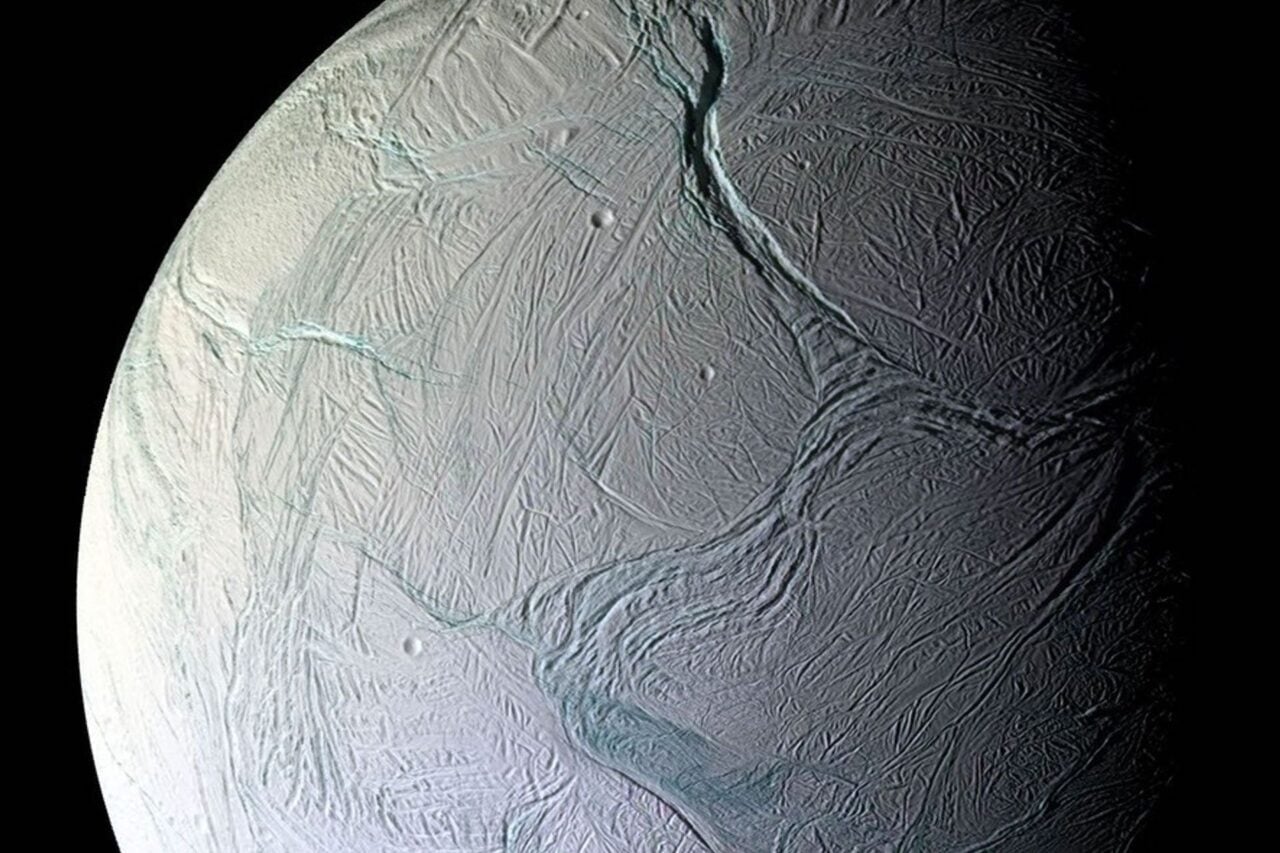
“There is also the possibility that similar processes can/could have occurred on other terrestrial bodies,” Cinquemani and Lutz wrote. Plumes of heat recorded by spacecraft orbiting Jupiter’s icy moon Europa and Saturn’s Enceladus, they noted, suggest “underwater hydrothermal activity.”
Planetary scientists could apply techniques similar to the research done on Earth’s terrestrial hydrothermal vents, they suggested, “creating a way to not only predict how life may form on these planetary bodies but also catch a glimpse of what a young Earth may have looked like.”
True to her original class paper, Cinquemani also hopes that evidence of long-since dried-up hydrothermal vents on Mars, “impact melt breccias and hydrothermal deposition in Martian craters” dating back over 3.7 billion years ago, gets thoroughly investigated for signs of life also.
Maybe, after all this work is done, we’ll start thinking of big scary meteors as nurturers of life as well as killers.