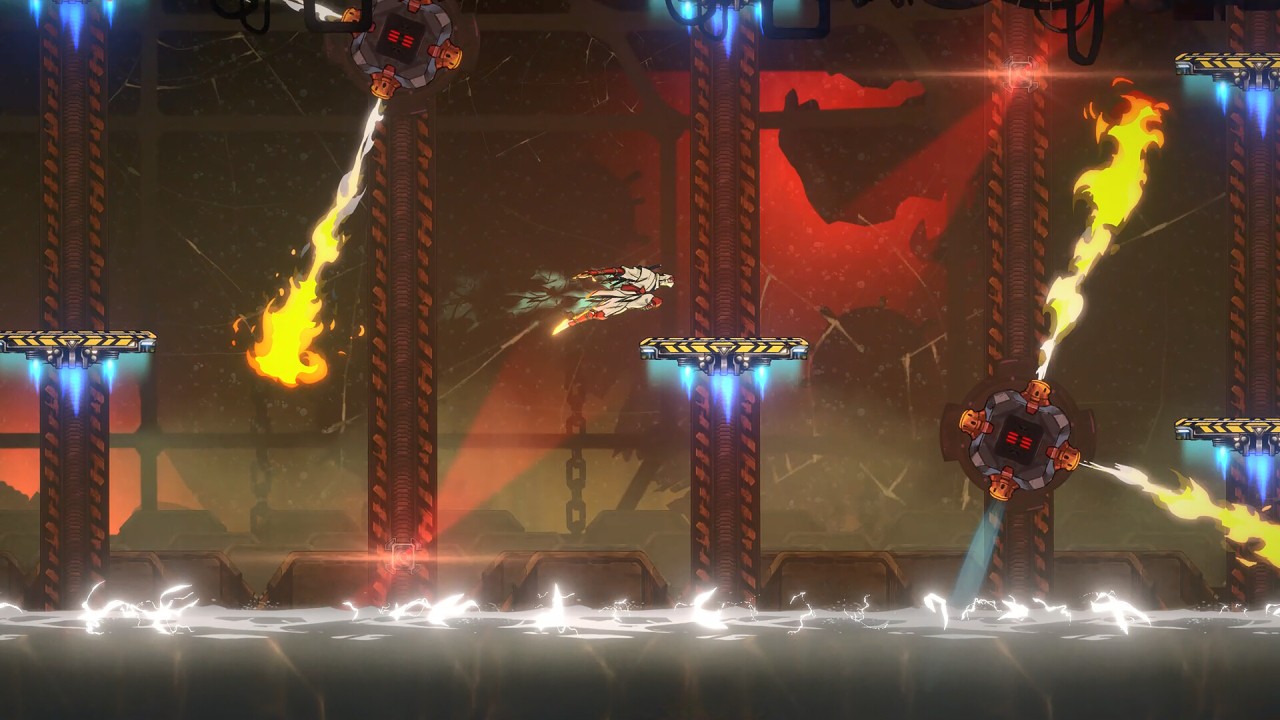
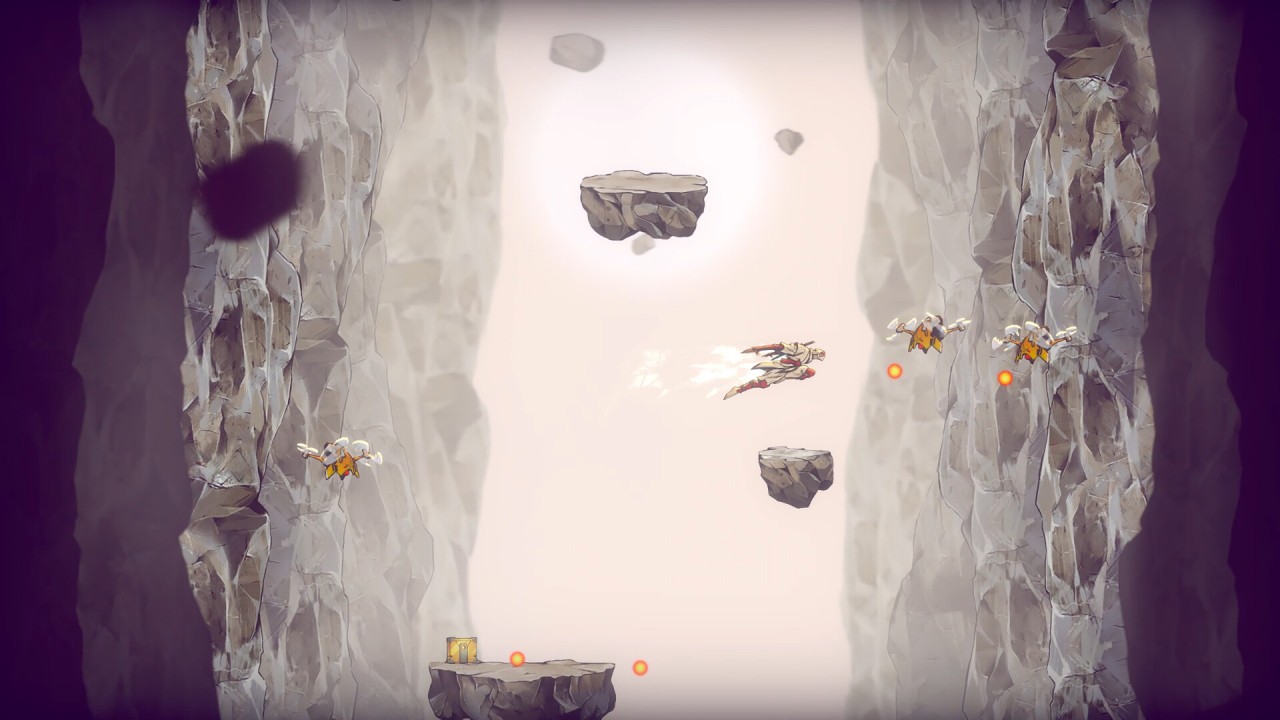
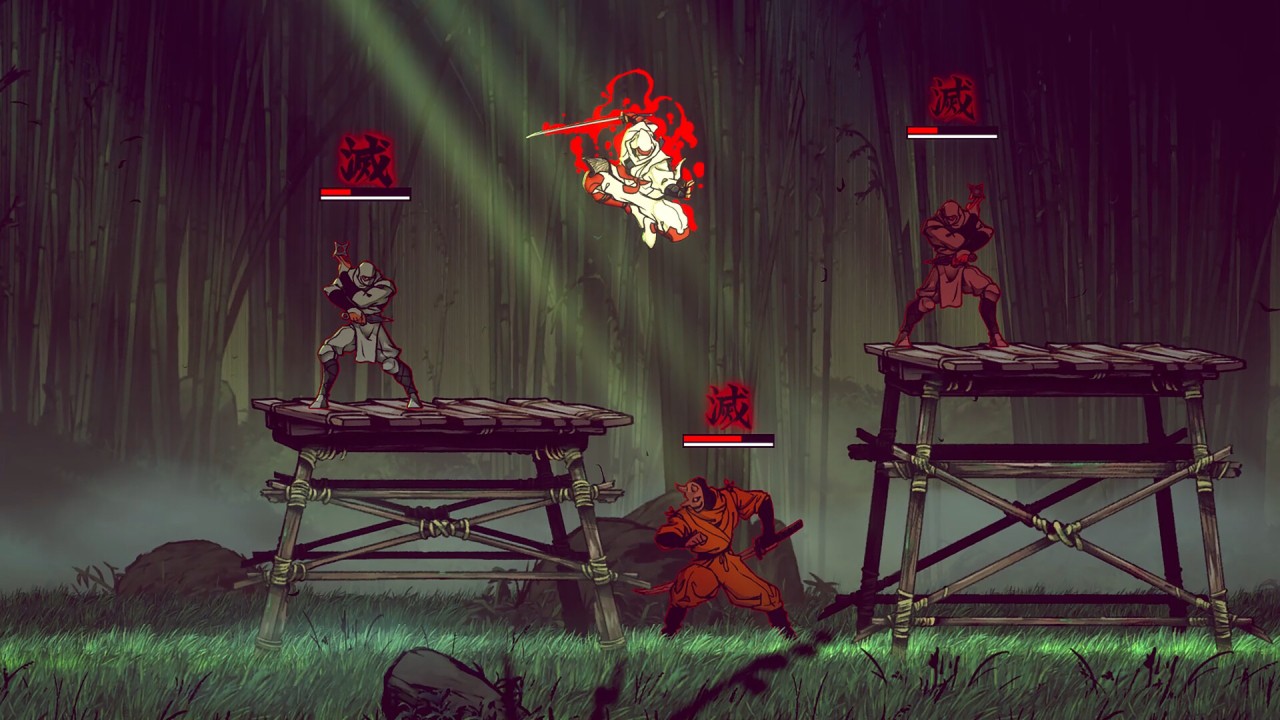
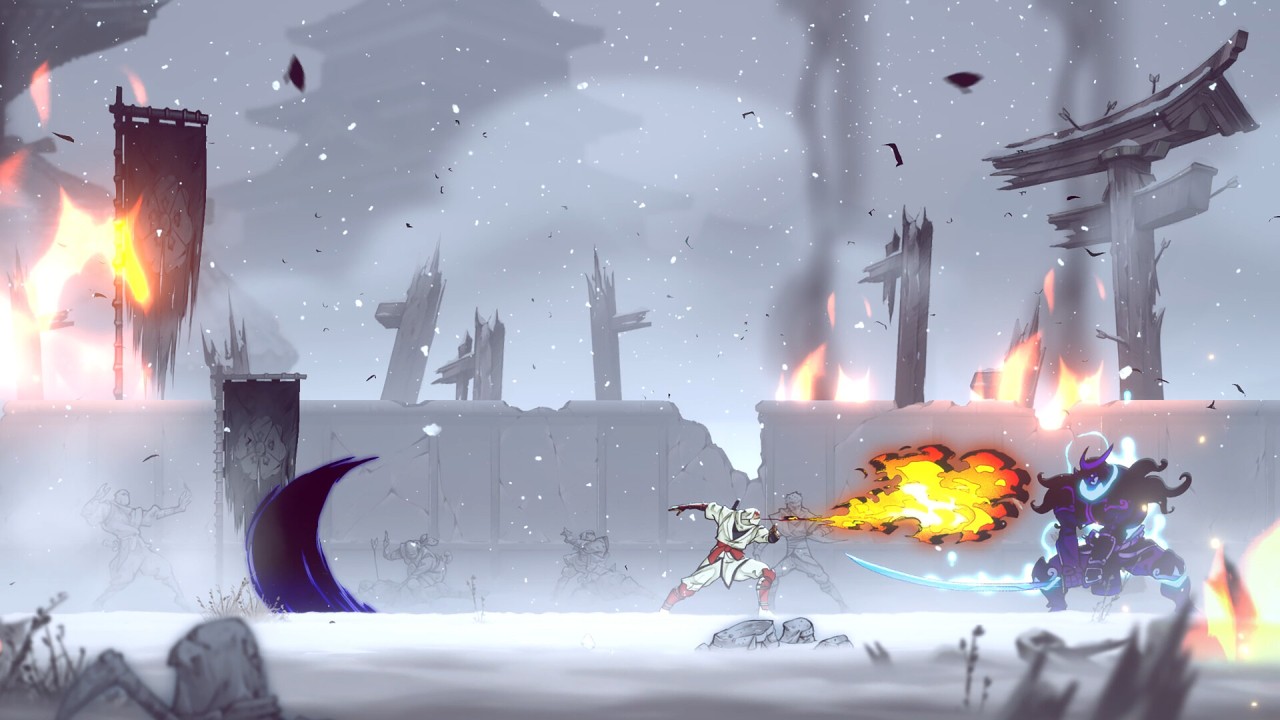
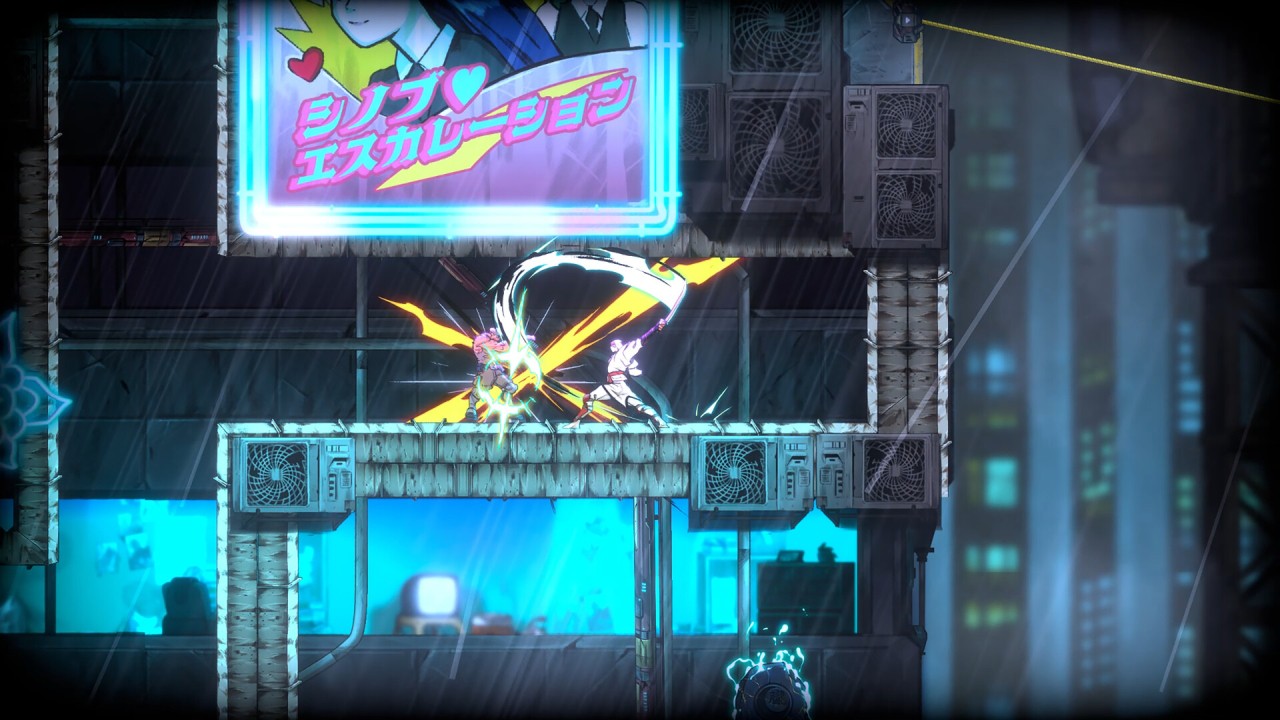
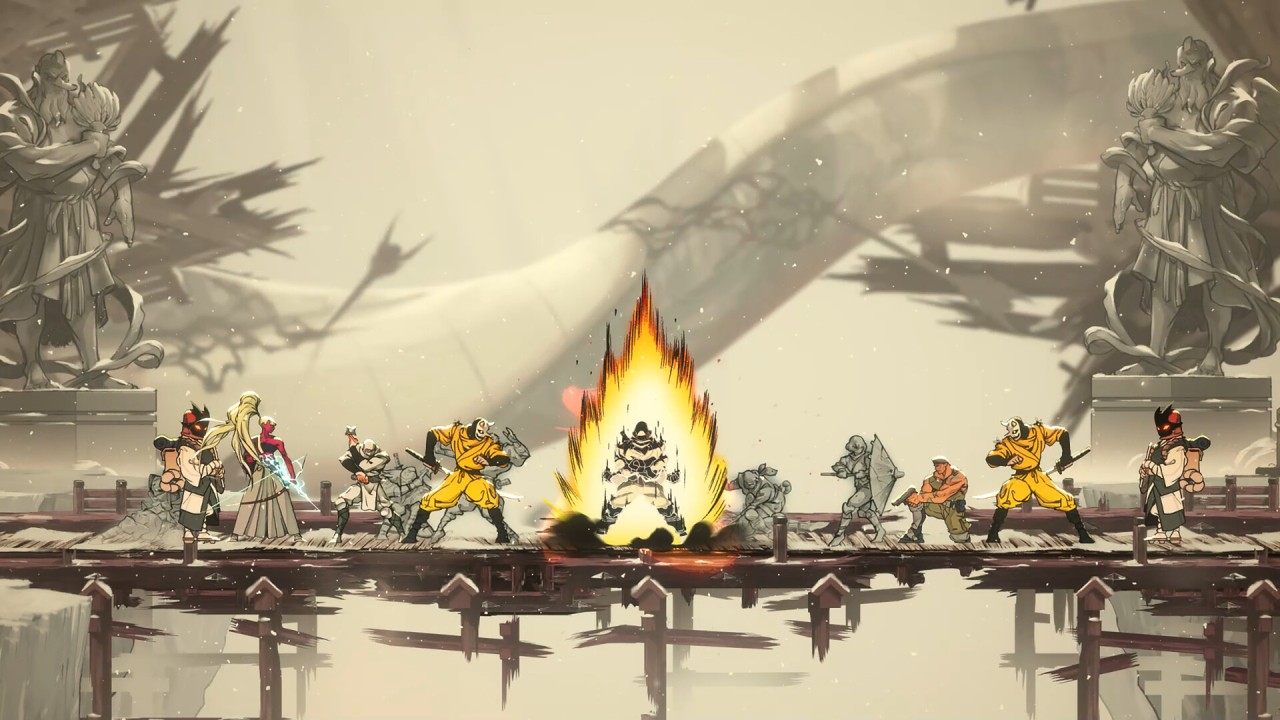
SHINOBI is a well-known video game series created by Sega for its arcade games first, and then for video gaming consoles. With SHINOBI: Art of Vengeance, the game creator offers a return to the basis of the game with an action-packed 2D platformer introducing the Shinobi original character: Joe Musashi, master in ninja arts.
The game ventures into the area with something that seems both old and new at once. The visuals are soaked in atmosphere, the shadows extend to the edges of every frame, and the sounds of silence are more powerful than the music most games have. The graphics of the characters are stunning.
This is not about loud sword fights and flashy cutscenes. These are slow steps and breathing, waiting, and decisions that do not sound until later. The game adapts to your pace. The wrong move exposes you, a good move, and your foe falls without a sound. There is patience in the mechanics and depth in world-building. It does not rush you, and it does not guide you through all the steps. You need to move, fail, and wait to learn. It is a game that is not a spectacle, but one stretched in tension.
What makes it truly special is its emphasis on subtlety, not just in the battles, but in the tale as well. The story doesn’t shout at you. It’s told through writings, glimpses, and scattered recollections. In case you are a moody player who does not need the story to be all blunt and can enjoy sitting and waiting with the calm scene, SHINOBI: Art of Vengeance is calling your name already.
Why Should I Download SHINOBI: Art of Vengeance?
In today’s fast-paced game development landscape, this is a game where there never seems to be something immediately satisfying to do. There is a waiting period of contemplation, thoughtfulness, and consideration. And in that, it makes the thousands of hyper-active games that lit up your computer screen with little explosions every 5 seconds, a truly memorable experience in the context of what is actually happening.
SHINOBI: Art of Vengeance seems like it is grasping at something rare, coming with the old-fashioned precision, with the overall spit and varnish of the current era. It recalls the stringent beat of the old-time ninja games as demonstrated by what we have seen so far, where each move counts and everything is a matter of time. This time, though, it is encrusted with atmosphere, cinematic underpinning, and a narrative that appears to bubble beneath each cut and shadow.
You cannot just chop your way through armies of foes like a hacker; you skate around, swerve, and attack with purpose. Environments are somber, enemies are calculated, and the battle pays off as much to the gun-ho as it does to the coward. In case you have been missing such a focused and rooted approach to stealth-action games, this one could easily replace your screen at the point of its release.
It is also that way for the more adventurous players who seek a world not half-baked. The maps are not made to be simply big but rather full of content, textured, and storywise. Everything has a reason to be where it is. Broken lanterns alongside temple gates; lines of conversation blurted by a soldier on his deathbed bed details like these show how deeply thought-out the world is.
You might also want to pre-purchase SHINOBI: Art of Vengeance, as it reminds of something that is no longer present in the current state of gaming: a feeling of genuine tension. Not jump scares and textbook plot twists, but an actual pressure that quietly builds up in each corner and at any encounter. This game does not force you to act in a hurry, but it makes you think. And this is the kind of design that’s basically not seen in recent years anymore.
The other rationale to pre-purchase is the movement system, which is tight, responsive, and gratifying. Climbing up a rooftop, dashing across trees, and sneaking past guards is natural and desperate. It takes the best ideas of older stealth titles and puts a sort of pizzazz to them. The pace to stealth ratio has been worked out well, and all actions feel rewarding.
Not to mention, it respects the player’s intelligence, something rare these days. It does not overrun its screen with tutorials or hints on every corner, and it does not direct you through the game by stream after stream of waypoints. You still learn, you still observe, you still adapt, and you receive the satisfaction of the perfectly designed ambush with no alarms whatsoever being raised. And, in case such an approach to the gameplay is your cup of tea, then you should definitely put this title on the priority list.
Is SHINOBI: Art of Vengeance Free?
No, it is not free, but you can download a free demo to test the game on some platforms. It’s a premium game with a one-time purchase model. You buy once, and you are in.
What Operating Systems Are Compatible with SHINOBI: Art of Vengeance?
SHINOBI: Art of Vengeance is being primarily optimized for PC-based systems, and the game will support Windows 10 and Windows 11 in 64-bit upon release. It will also be available on major consoles like PlayStation 5 and the Xbox Series X.
And since it is developed using modern graphics engines, it is best run on high-end hardware, especially for handling shadows, lighting, and environmental detail, which is being heavily touted by the developers.
What Are the Alternatives to SHINOBI: Art of Vengeance?
Ghost of Tsushima is one of the initial games that can be mentioned. It is more comprehensive, cinematic, and the battle mostly involves open fighting as well as stealth. Nonetheless, it also has quiet time predications and sneaking mechanics but leans more on dynamic swordplay, over-the-top plot sequences, and sprawling open world. This game is one of the examples where the historical coloring is observed, but the game also focuses on visual performance.
Next is Assassin’s Creed: Shadows, a long-running series that has gradually morphed into an RPG over time. It offers stealth, to be sure, but also skill trees, branching choices, and huge, open-ended maps with things to do all over the place. It layers multiple systems at your command. Some players may love this complexity, but others will feel as though they are drowning.
And then there is Hollow Knight. It’s not a stealth game, nor realistic in setting, but spiritually, it shares much with SHINOBI, the place where the next room could be the end, where you need to explore to unlock it, and where the atmosphere is everything. Its refusal to spoon-feed the story is something SHINOBI seems to share. It is about being alone in a world that does not assume whether you will survive or not, and making it go on nonetheless.