
Nature for nerds
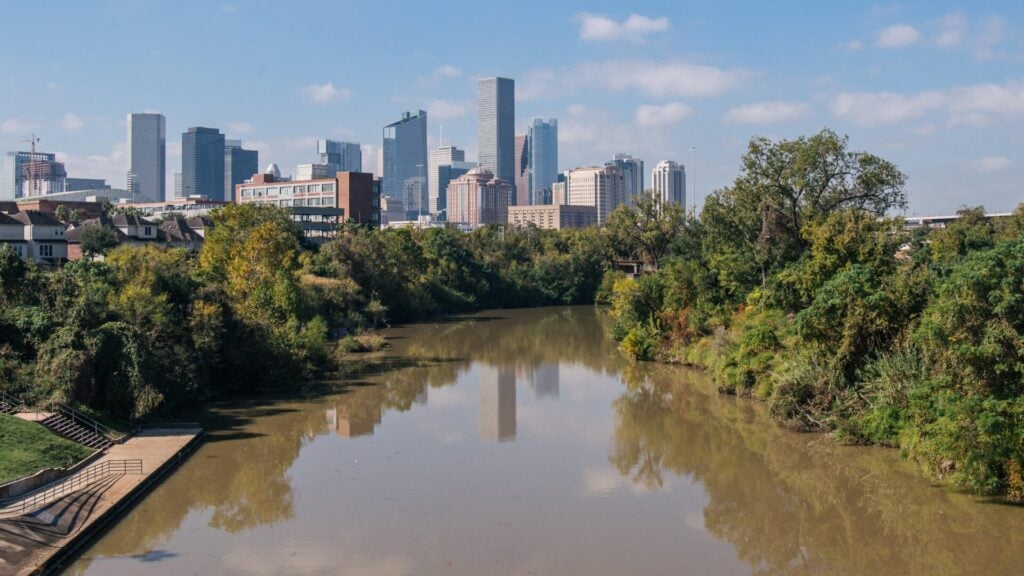
The Loop Current is ominously far north this year—combined with other factors, it could make for a disastrous hurricane season.
The company Good Meat has announced it's planning to build the world's largest cultivated meat facility in the US. But can it succeed?
The gel material is cheap to make, and a single kilogram can produce liters of water in seemingly dry conditions.
The reality TV star is partnering with Beyond Meat as a chief tasting consultant.
The oil giant lost its last bid to dismiss a lawsuit brought by Massachusetts' attorney general. Exxon is also being sued in Rhode Island.
NOAA's new outlook forecasts a hurricane season with, once again, more storms than normal.
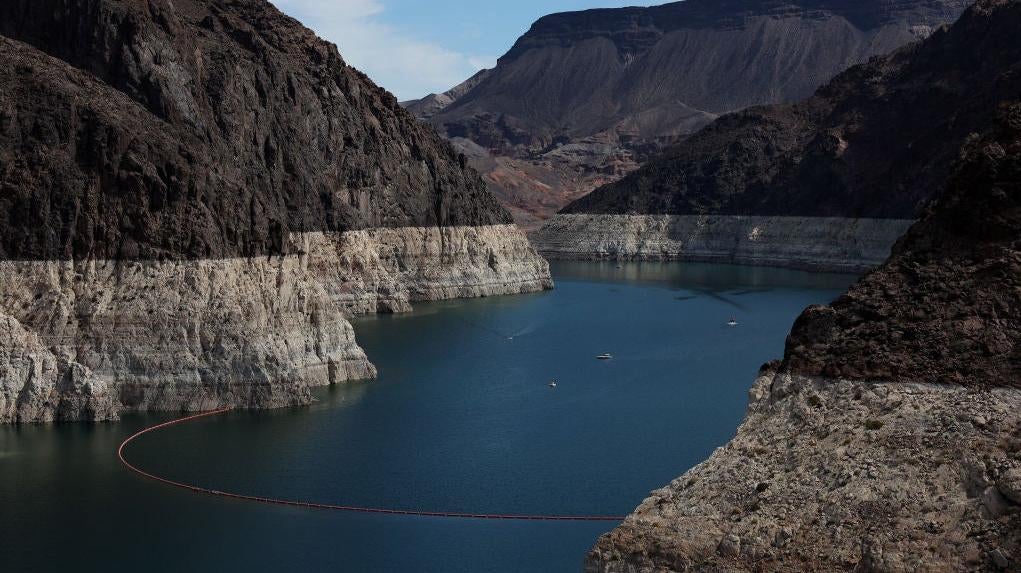
The state's governor, Gavin Newsom, threatened mandatory usage cuts in a meeting with major water agencies.
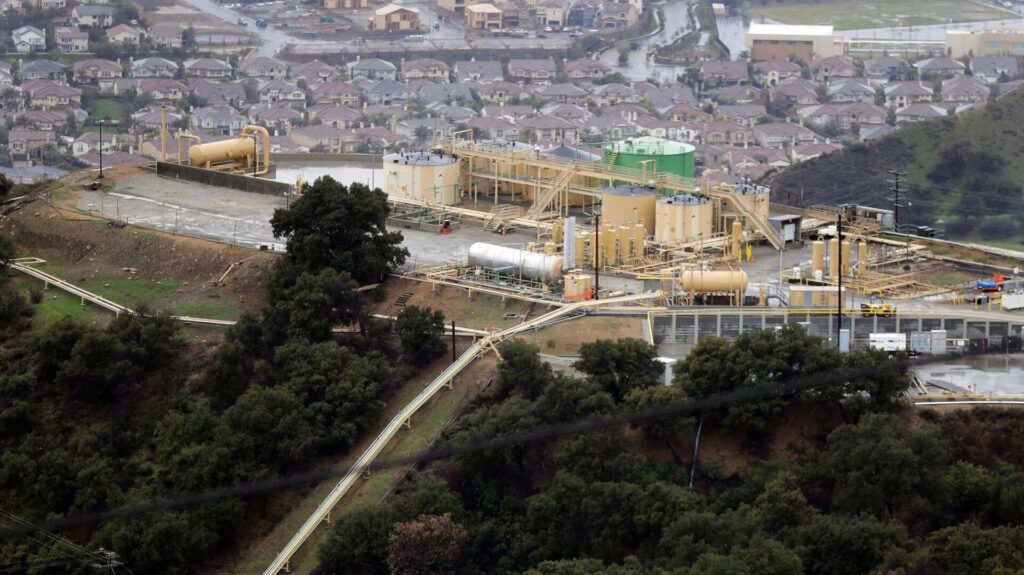
More than 17 million Americans live near an active upstream facility that could cause health problems, as a new interactive map illustrates.
Stuart Kirk, HSBC's Global Head of Responsible Investments, called environmental warnings the work of "nut jobs" and compared climate concerns to the Y2K panic.
Data from 68 countries shows that hotter nights mean less rest, according to a new study.
A new study from the Met Office in the U.K. suggests cherry blossoms in Japan are blooming 11 days earlier.
One of the year's most important—and one of the wildest—climate elections will be decided this week in Texas as Sarah Stogner faces off against Wayne Christian.
The money will be used to construct four different "hubs" nationwide to suck carbon dioxide out of the air and permanently store it.
Nineteen states and D.C. are expected to experience the first U.S. heat wave of 2022.
The Minnesota River’s waters have receded after an extensive dry period, revealing ancient remains.
Here's what the natural cycle means for our upcoming hurricane season.
"It could be the most intense May heatwave of the past 20 years."
Put down the drill and step away from the coal mine.
Drought, wildfires, and extreme heat may stress out electric grids in dozens of states this summer.
Collisions with vessels happen a lot more often than previously thought, new research finds.