Hot water expands. Whether you knew that empirically, intuitively, not at all, or only dimly from the distant memory of a good classroom science experiment, the fact remains that the thermal expansion generated by this year’s El Niño is raising sea-levels dramatically across the eastern Pacific.
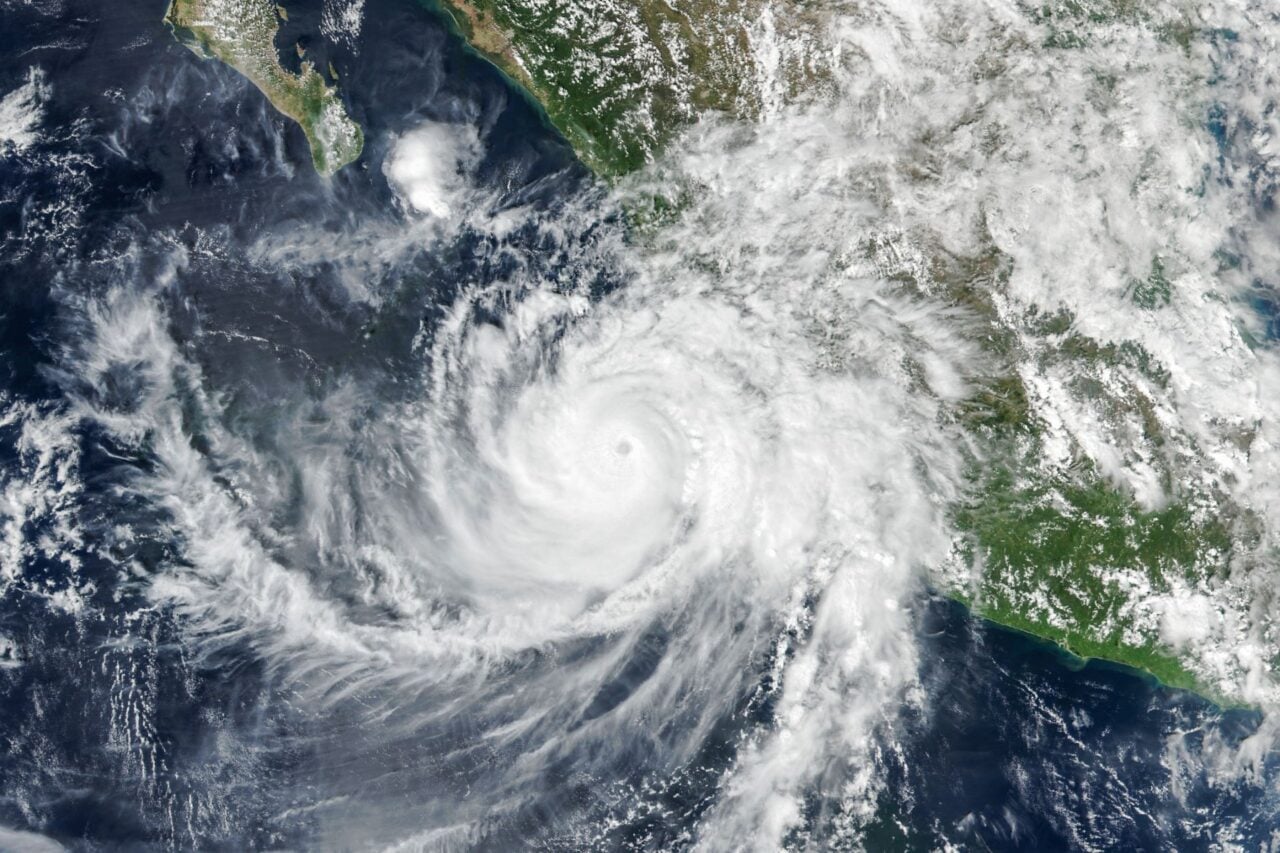
Working with altimetry measurements from NASA’s Sentinel-6 satellite, researchers with NASA’s Scientific Visualization Studio now say that parts of the eastern Pacific have climbed up as high as 1.3 feet (40 centimeters) due this cyclical weather event. The apex of these heights coincides with those so-called Kelvin waves you might have read about recently: slow-but-powerful swells of warm water, thousands of miles long, that warp the typical trade winds above them as they push warmer, taller water eastward towards North and South America’s Pacific coastline.
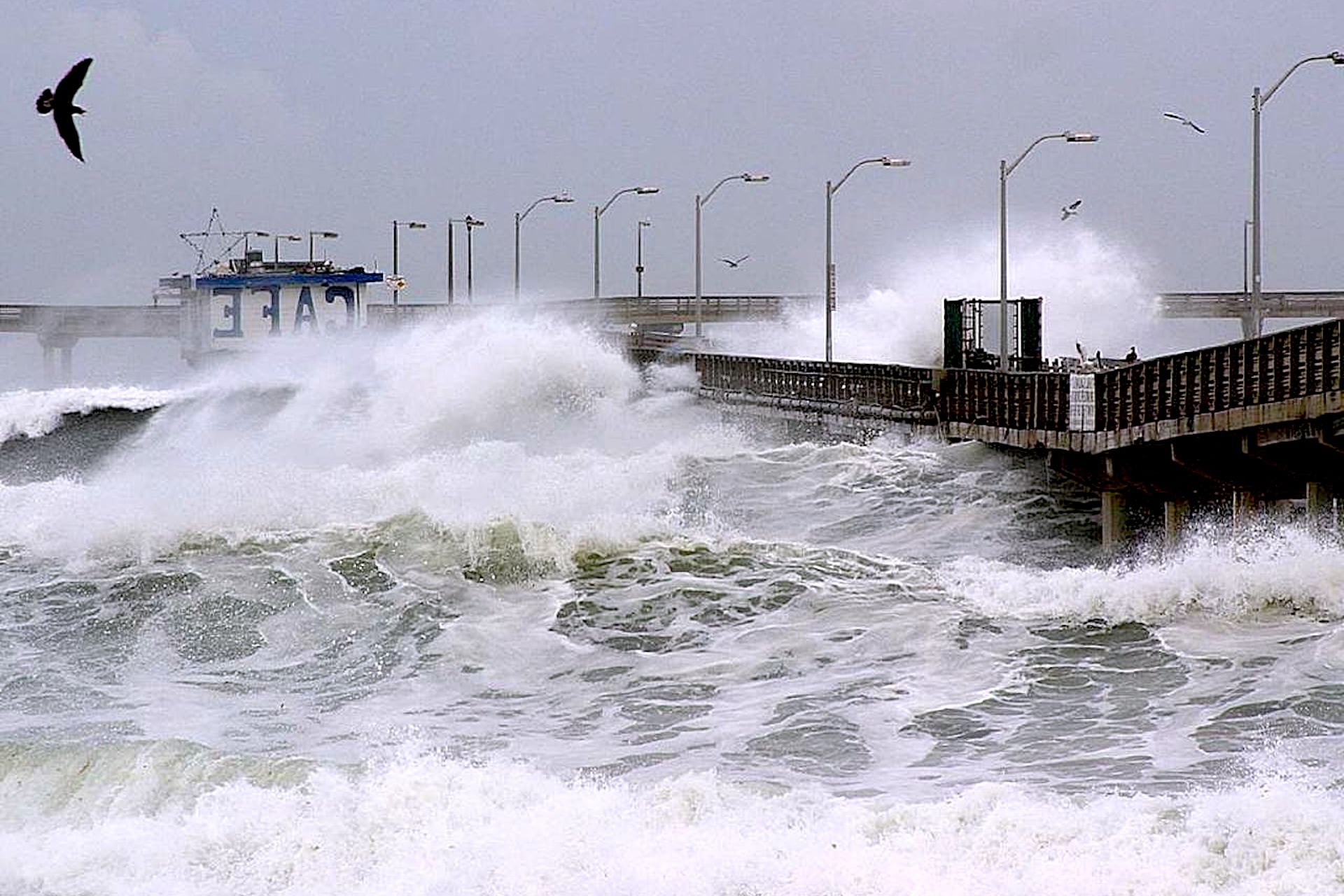
Climate researchers are raising alarm that these elevated patches of ocean are primed to enhance a storm season even further supercharged by an abnormally high tide, one elevated by the unique gravitational effects of the Moon’s 18.6-year lunar nodal cycle. Those warnings include the results of a new study, now available in pre-print while it undergoes peer-review, that forecasts a tenfold rise in “extreme sea-level risk” along coastlines from Alaska to Chile during the 2026-27 El Niño.
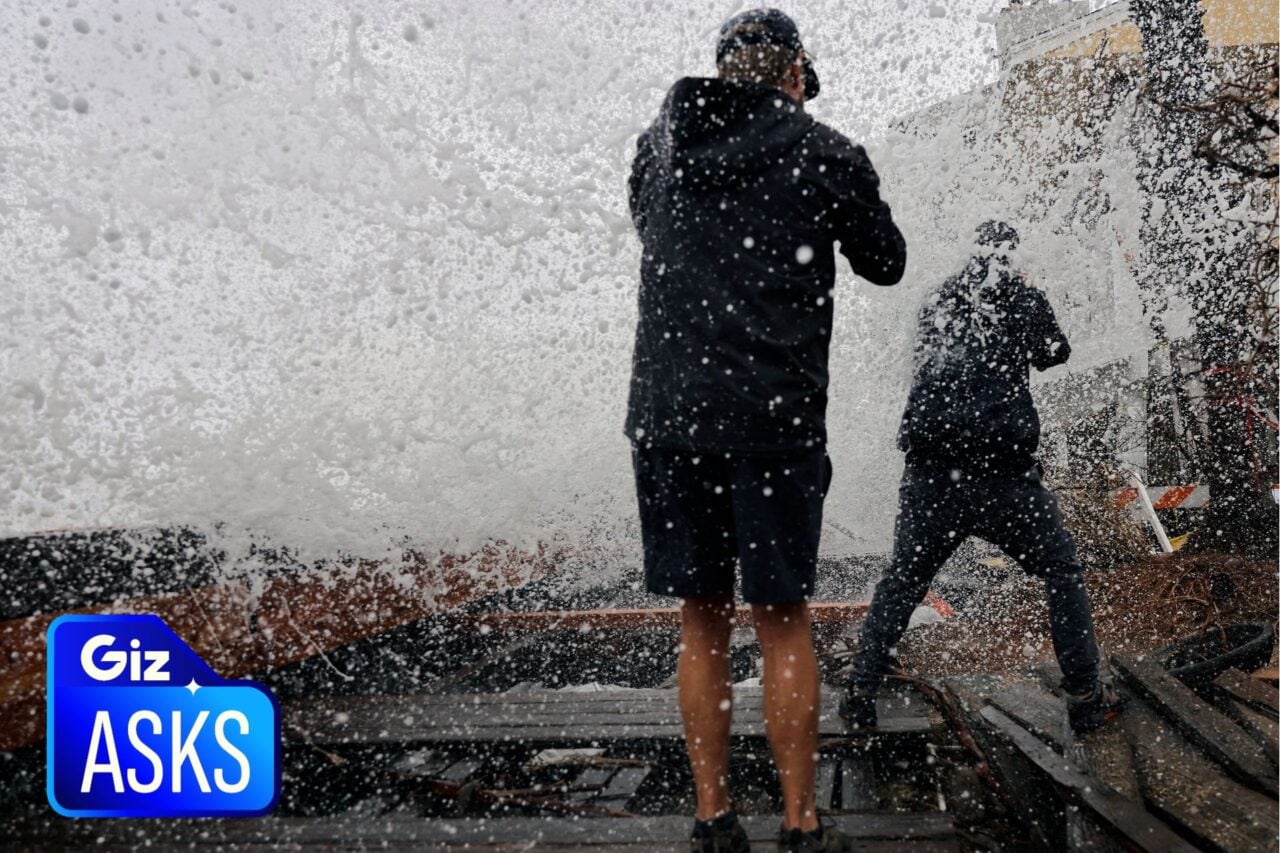
“We’re already seeing this start to play out in California, where we’ve seen some major flooding occurring in the aftermath of tropical storm Rachel,” as study coauthor Thomas Monahan, a research fellow at Oxford who focuses on environmental fluid mechanics, told New Scientist.
“Rather problematically, the biggest peaks in the tides are expected to occur during Thanksgiving week and Christmas week, among the highest in terms of travel and people being around,” Monahan added.
Wave dysfunction
Monahan worked with researchers at the Woods Hole Oceanographic Institution in Massachusetts and the University of Central Florida to assess how current tidal conditions and this year’s ‘Super’ El Niño might impact coastal communities. Their analysis further factored in complex variables that differentiate this weather event from similarly strong historic El Niño seasons, like the 1877 to 1878 El Niño which (lucky for our ancestors) occurred before global mean sea levels rose an estimated 7.8-inches (20-cm) due to global warming. (That’s 7.8 inches on top of the 1.3 feet from that seasonal thermal expansion, for those keeping track.)
By Monahan and his coauthors’ calculations, the dangerous synergy produced by these factors “may produce 99th percentile extremes in up to half of all high waters at some sites with potential major flooding and ecological impacts.” They compared these weather disasters to the kinds of events normally projected for 40 or 50 years from now under climate models like the Shared Socio-economic Pathways (SSPs) produced by the United Nations’ Intergovernmental Panel on Climate Change.
Part of the reason for this high risk, according to their study, is evidence that sea levels apparently rise more steeply during really strong El Niño events, as opposed to a simpler, more modest linear increase.
“So, if you were to just extrapolate from smaller events, you would miss what is happening in the stronger events,” Monahan told the New Scientist.
High Tide Warning
Concerned about the implications of their findings, Monahan and his coauthors have developed an interactive map tool, “El Niño Flood Watch,” designed to help the general public relate the team’s predictive work to their own local conditions. But, while the tool covers any location along the Pacific coasts of the Western Hemisphere, as well as Hawaii, the Oxford-hosted page for the tool notes that its results are not “official warnings” but a research product providing “projections.”
Nevertheless, Monahan said he hopes that the general public takes this work—and its implications for this year’s holiday season in particular— seriously.
“There is still time to prepare for these risks,” he wrote in a post on LinkedIn, “but action must be taken.”