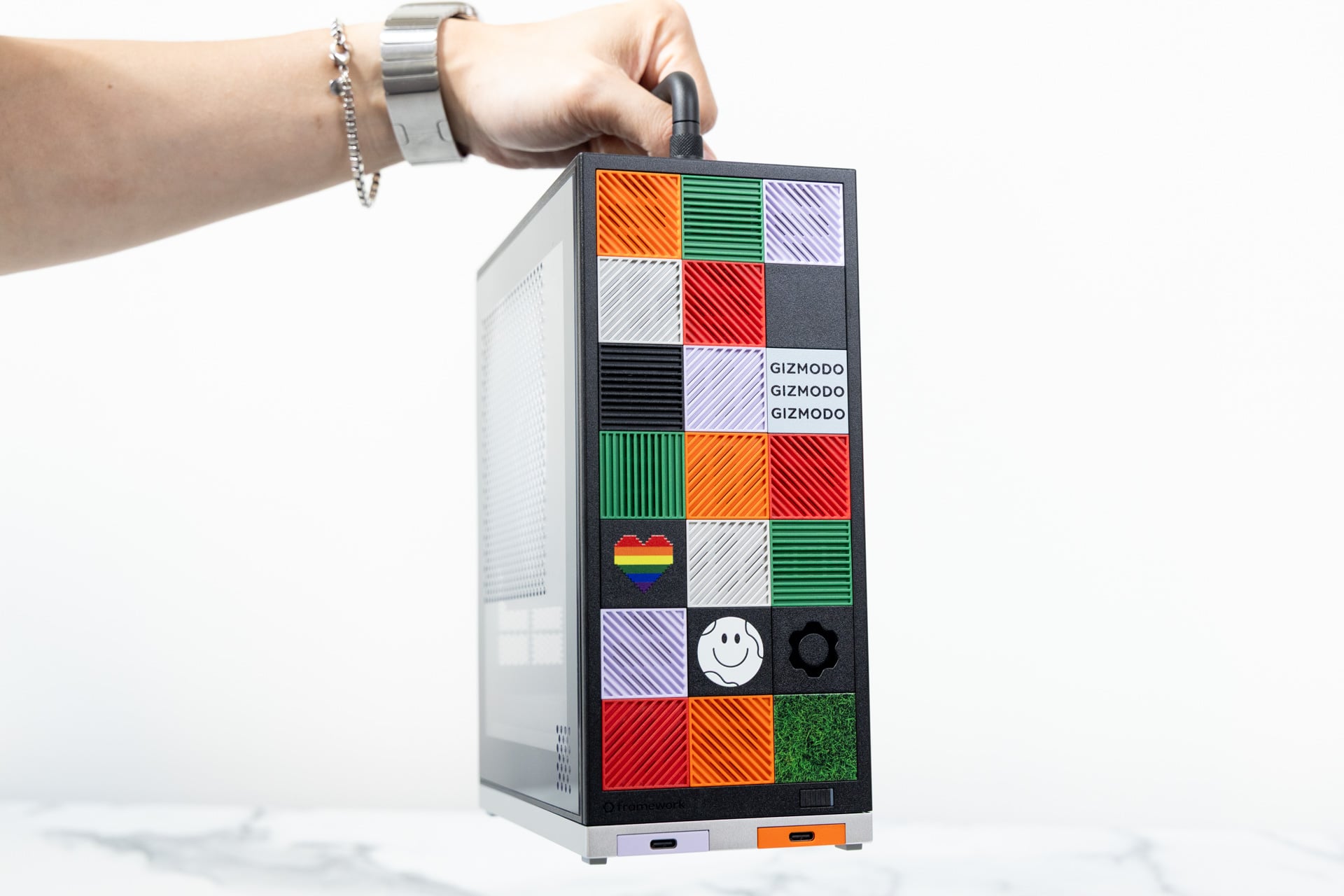
Just in time for Apple to detail its ludicrously powerful Mac Studio and for Nvidia to launch its RTX Spark PCs, AMD is finally getting ready to give computer geeks the chance to plug away its own ultra-powered chip. Surprise, surprise: it’s from the humble modular PC maker Framework—one of the first to opt for AMD’s Gorgon Halo processor inside its wee Framework Desktop and a price to make you weep for the future of running local AI.
Framework says it will soon open preorders for its new $6,800 Framework Desktop, this time built in with an AMD Ryzen Max+ Pro 495. Framework configured its Framework Desktop from 2025 around the last-gen Strix Halo processor, the Ryzen Max+ 395, a chip that was already fairly capable of some heavy CPU tasks with a GPU that could claim to run games well at resolutions even above 1080p. Want to guess what the new chip is designed for? If you said “AI,” then here’s your prize: a potentially massive price tag.
We're opening pre-orders for the 192GB Framework Desktop this Wednesday morning Pacific Time. This has AMD's new Ryzen AI Max+ Pro 495, an open-end x4 PCIe slot, a pre-installed Noctua fan, and an optional pre-built config with Fedora pre-loaded. pic.twitter.com/JfidMrtN9p
— Framework (@FrameworkPuter) September 28, 2026
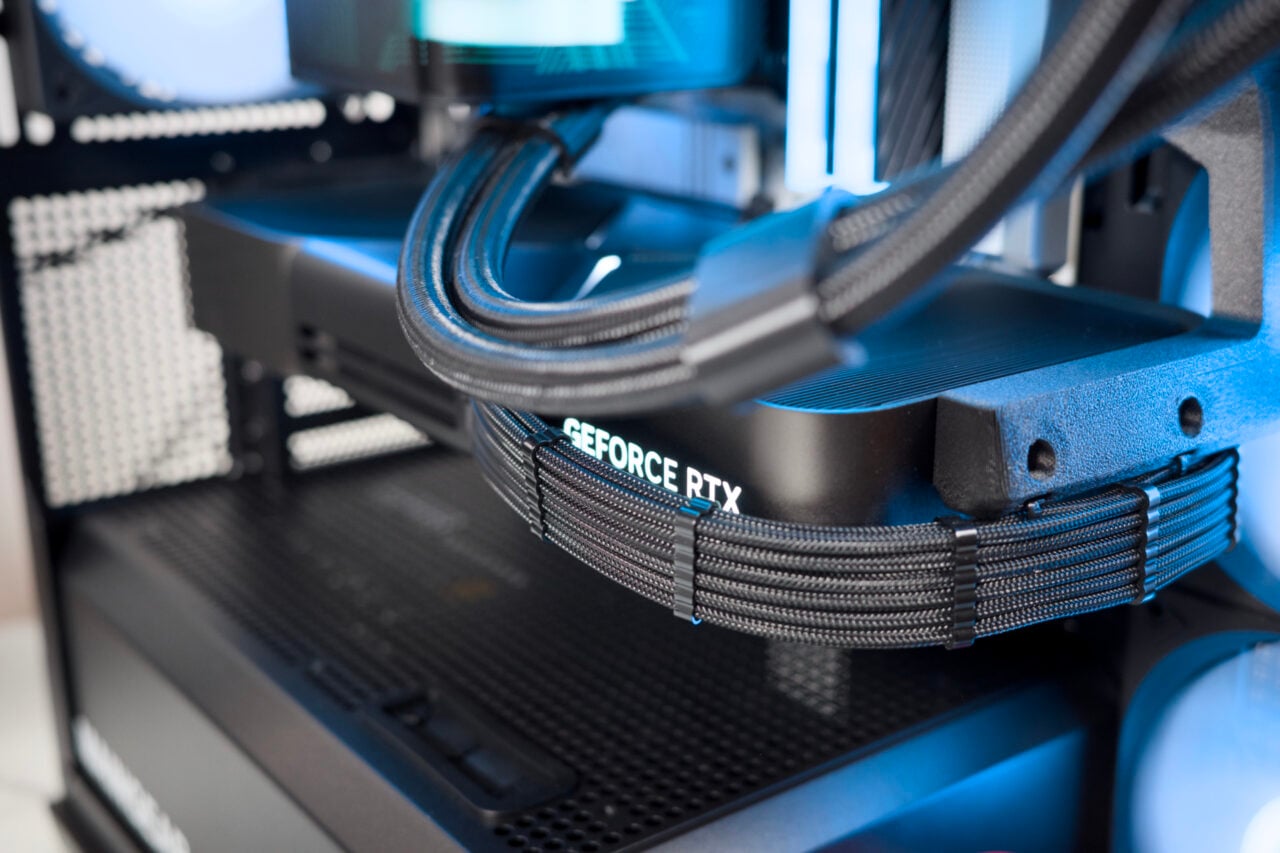
The new design isn’t changing much. It’s still running a mini-ITX motherboard with a single open x4 PCIe slot. The rest of the board is covered up with the CPU module fixed with a giant, earthy brown Noctua fan. Just like most Framework products, like the Framework Laptop 13 Pro, the Framework Desktop was built for the small but growing wave of Windows 11 refugees. You can have it preinstalled with either Windows 11 or the Fedora Linux distro. What’s more, Framework says the desktop supports the new chip’s maximum 192GB of unified memory (it’s a type of shared memory pool that means, unlike most other Framework devices, you can’t replace the RAM).
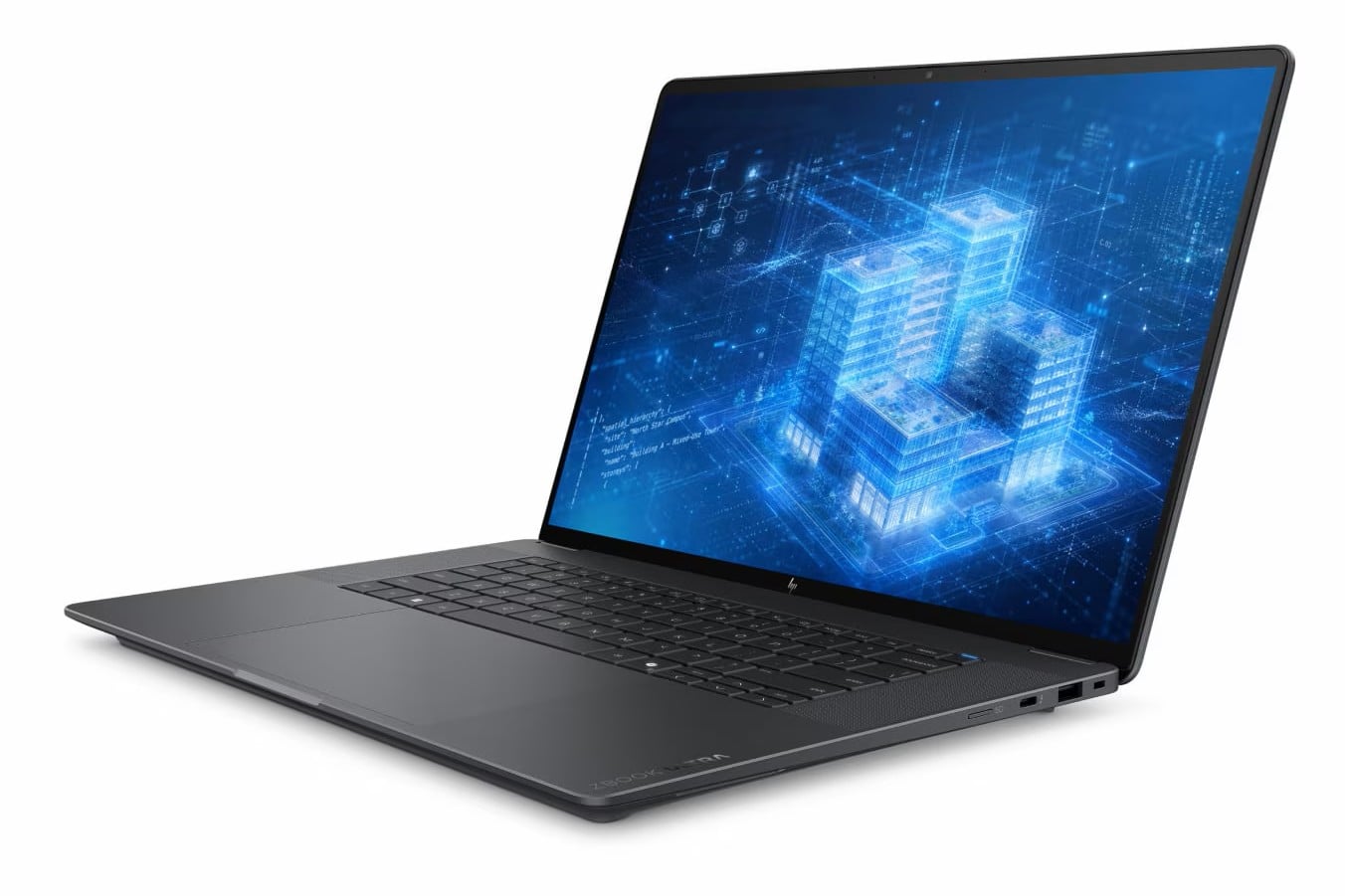
AMD has been taking its sweet ass time getting any devices with its latest Gorgon Halo high-end APU (accelerated processing unit) out the door. Now, AMD and HP are finally spilling the beans on a few other Ryzen Max+ Pro 495 devices, including the HP ZBook Ultra G3a. That’s a thin mobile workstation laptop explicitly designed for AI work and not for the average PC afficionado. We’ve only seen this laptop referred to by its “Sundae” codename until now, though there still isn’t a specific price attached, as it’s a business-class device not made for the average consumer. As for other options, AMD is pointing to the GMKtec EVO-X5 Pro, an absurd $6,800 ($6,600 with an early bird sale) mini PC with the configured 192GB of RAM and 2TB of storage.
What’s still unclear is if you can get an AMD Gorgon Halo chip in any configuration that’s short of 192GB of memory. Framework currently sells a version with the Ryzen Max+ 395 and 128GB of unified memory starting at $3,450, and that’s without choosing storage options. The new Framework Desktop will be going up for preorder Wednesday, but in case you were wondering, yes, Framework confirmed it only comes with the preconfigured 192GB of memory with the new higher-end CPU.
Framework is likely not all that happy about the $6,800 price tag, either. The company tweeted, “Memory costs are a mess,” and pointed potential budget buyers to the lower-end configs instead of the Gorgon Halo version.
As time goes on, the Framework Desktop has become even more attractive. That’s not just due to the pint-sized PC’s modular design, but because desktop prices have become so skewed, suddenly these all-in-one computer designs seem like the better option for most people who need more CPU and GPU performance. However, pricing could be even more ludicrous for these latest AMD builds. An upcoming business-class Lenovo ThinkCentre X Ultra mini PC with AMD’s most-powerful APU could cost as much as $3,669 at launch in November.
The real question is how well AMD’s latest chip can perform against the likes of Apple and its Mac Studio. That small desktop packed with an M5 Ultra chip has been doing the rounds as one of the most powerful single-chip desktops available now, and it comes at an eye-watering cost. That desktop starts at $5,500 for the higher-end chip, but it can swell to as high as $6,800 or more with more GPU cores and memory. If you were hoping to be that guy to run local AI, it’s going to demand an arm, leg, kidney (or two), and potentially your firstborn son, depending on the whims of the ongoing RAMpocalypse.
This post was updated to include Framework Desktop prices.