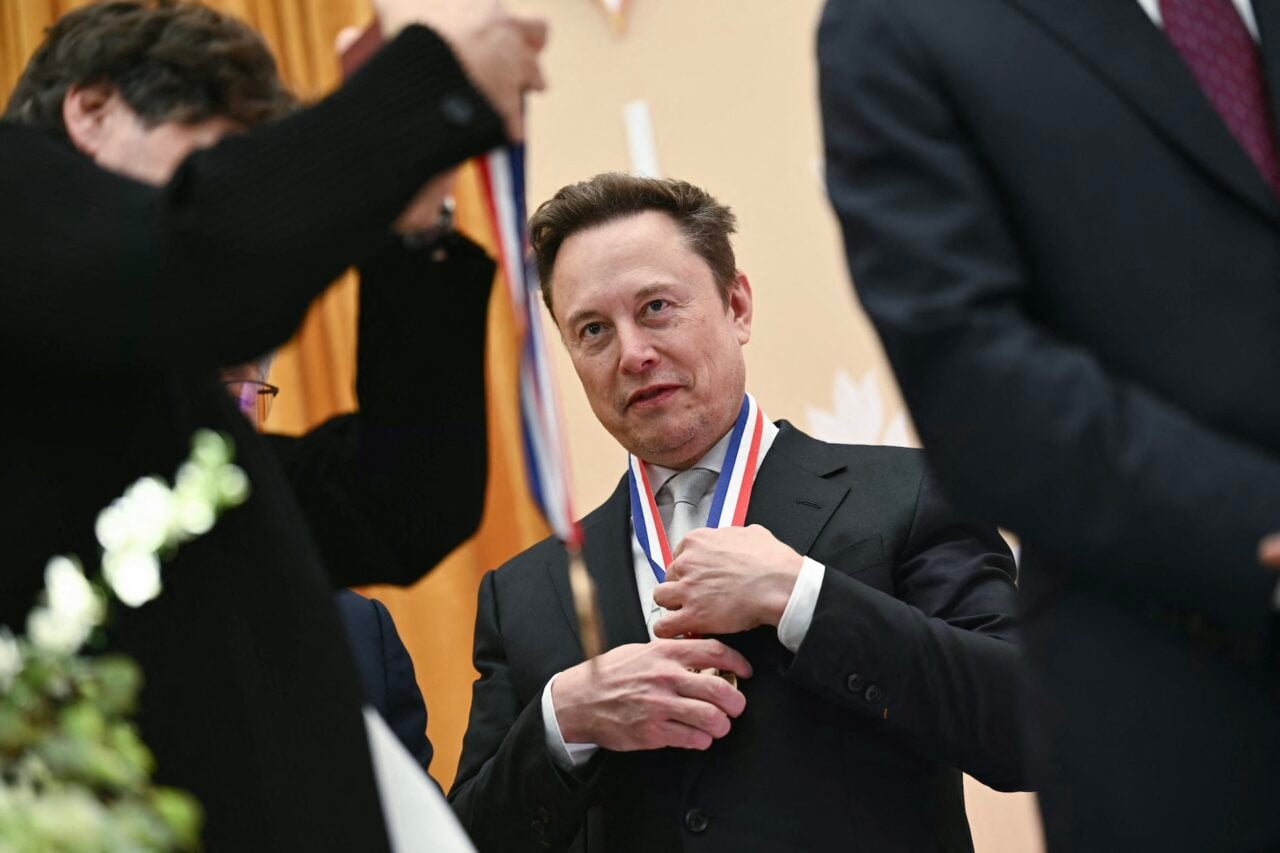
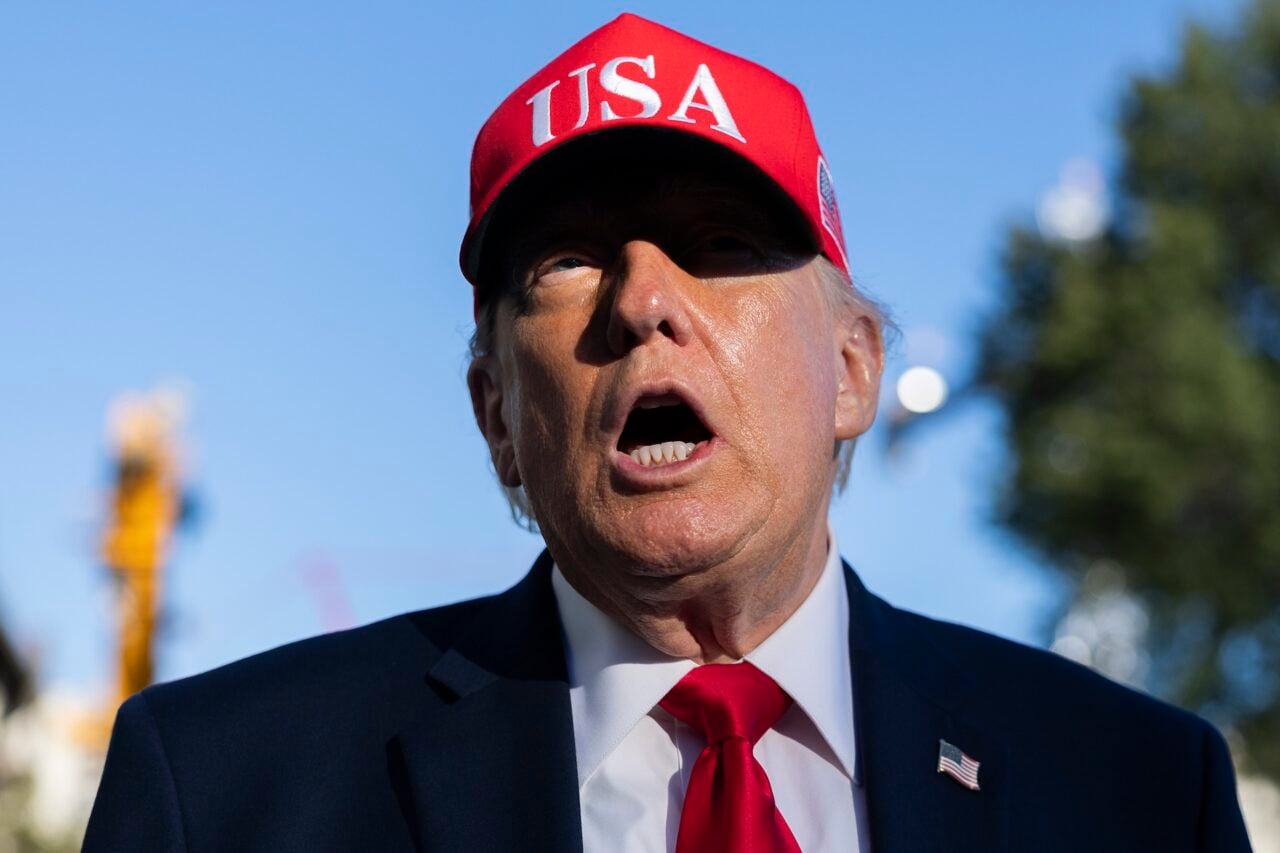
Fresh off the release of its new flagship LLM model, Gemini 3, Google announced Thursday that it is updating its viral image generation model. Nano Banana Pro, also referred to as Gemini 3 Pro Image, features the ability to generate more detailed images and more accurate text in a variety of styles, fonts, and languages. The image generator is free to try today and available by opening the Gemini app and selecting “Create Image” with the “Thinking” model.
Google has a lot it wants to brag about with Nano Banana Pro, but perhaps the most interesting feature it is focusing on is the ability to generate detail-rich images like infographics and diagrams. Historically, image generation models are exceptionally bad at generating text of any kind, so Nano Banana Pro’s purported ability to pull in text is notable.
Per Google, the image model can connect to Google Search’s knowledge base to pull in relevant information for whatever you’re generating, which apparently includes real-time information like weather or sports scores. That said, you should probably expect some hallucinations. Maybe even a lot of hallucinations.
As any good infographic requires lots of images, Google says Nano Banana Pro can handle multiple elements at a time, including up to 14 separate images.
The update to the company’s image generation model also includes some interesting editing capabilities, giving users the ability to modify things the way they would in a photo editing app. It can change camera angles, adjust depth of field, focus, change lighting effects, and do color grading—all under an upgraded resolution cap of up to 4K for images.
Google also announced that images generated with Nano Banana Pro will include Coalition for Content Provenance and Authenticity (C2PA) metadata embedded, which will, in theory, make it easier to identify deepfakes and AI-generated images.
The company also introduced a reverse image search-style ability to check if an image has been digitally altered. In the Gemini app, users can upload an image and ask if it was generated by a Google AI model. It’ll look for indicators, including otherwise-invisible watermarks that signal that the image is AI-generated.
Any time a new image generation model launches, we tend to see a flood of images created with the tool mucking up our feeds on social media. Remember the AI slopfest that was the Sora 2 release, or OpenAI’s attempt to Ghibli-ify the entire web? So expect to see lots of Nano Banana Pro images on the timeline over the next few days. At least there’s theoretically a way to identify them.