
The call usually comes on a weekday morning, when your mother is home alone. A voice that sounds exactly like her grandson says he has been in a car accident, that he is at the police station, and that he needs money for bail before his parents find out. Someone claiming to be a lawyer takes over the call and explains how to send it. By the time anyone in the family hears about it, the money is gone.
Older Americans are the group that loses the most to this kind of fraud. People over 60 reported close to $4.9 billion in losses to the FBI’s Internet Crime Complaint Center in 2024, more than any other age group, and those are only the cases that were reported. If you have parents in their seventies or eighties, helping them is less about installing software than about a few conversations and some settings you can put in place together.
Start With a Conversation, Not a Lecture
The hardest part is often the first one. Many older adults are embarrassed by the idea of being scammed, and a talk that sounds like “you are getting old and gullible” tends to end quickly. It goes better framed as something that happens to everyone, which is true: these scams are run by organized groups, they work on people of all ages, and the scripts are written to be convincing.
What helps most is describing the scams concretely, since a pattern you have heard about is much easier to recognize. The grandparent call above is one. Others include the fake tech support pop-up that says the computer is infected and asks for remote access, the call from someone posing as Medicare, the Social Security Administration or the IRS, and the online romance that slowly turns into requests for money. All of them share the same signs: urgency, secrecy, and a payment method that is hard to trace, such as gift cards, wire transfers, cryptocurrency or cash handed to a courier.
One habit covers most of them. Agree on a family code word that anyone calling in an emergency has to say, and agree that any request for money gets checked by hanging up and calling the person back on a number already saved in the phone. A cloned voice can imitate your son, but it cannot know the code word.
Lock Down Their Credit and Accounts
The second step is quieter and protects against a different risk: someone using your parent’s identity to borrow money, without ever speaking to them. Freezing their credit with Equifax, Experian and TransUnion is free and stops anyone from opening a loan or card in their name. Most retirees rarely apply for new credit, which makes a freeze an easy decision, and it can be lifted online when needed.
At their bank and brokerage, ask about adding a trusted contact person. It does not give you access to the money, but it lets the institution call you if it notices something unusual, such as a sudden large withdrawal or a change of address. Setting up transaction alerts on their accounts, sent to them and, if they agree, to you as well, means an odd payment gets noticed the same day.
The phone itself deserves attention too, since it is where most of these scams start. Turning on call screening for unknown numbers on their mobile, and a call blocker on the landline, filters out a large share of the calls before anyone has to judge whether they are real.
Reduce What Scammers Know About Them
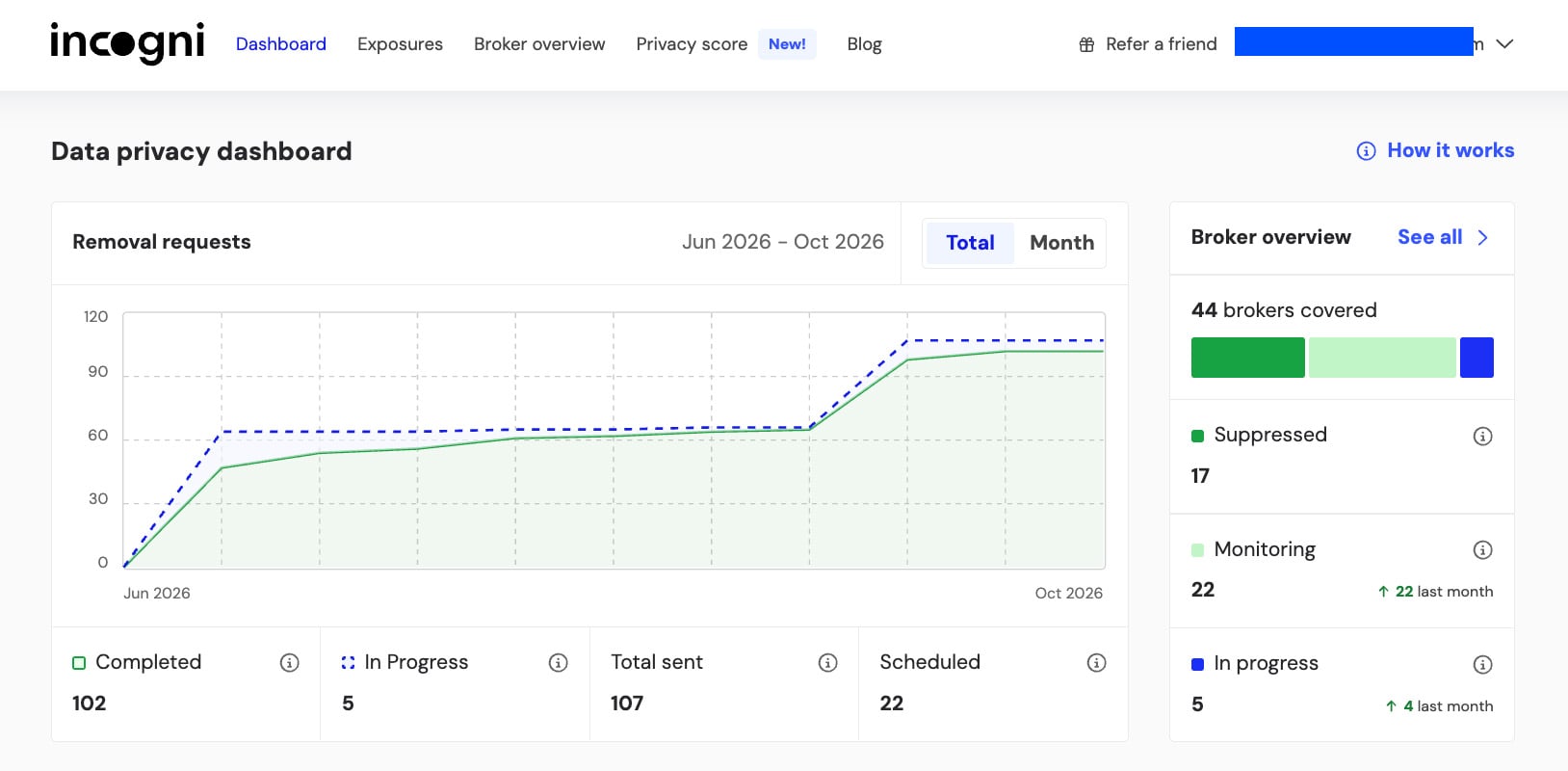
Scams aimed at older people often feel personal because they are built on real details. A caller who knows your father’s address, his age and the names of his grandchildren sounds legitimate, and most of that information is for sale on people-search sites and data broker lists. Removing it makes the calls less convincing and less frequent. Your parents can send opt-out requests to each broker themselves, or a data removal service such as Incogni can send and repeat them on their behalf.
Where a Protection Service Helps
Even with all of that in place, some things will get through, and older adults are often the last to notice when their identity is being used, since they check their credit reports rarely, if ever. This is the case where an identity theft protection service earns its price, and our explainer on what these services do and who needs them goes into the reasoning.
Coveron, the identity protection service from Nord Security, the company behind NordVPN, is built for this kind of household. Its Full Family Protection plan covers up to five adults, so parents can be added alongside the rest of the family, and each adult keeps their own alerts, which the others cannot see. That matters more than it sounds: your parents get protection without feeling watched, and they stay in charge of their own accounts.

For each of them, Coveron monitors the dark web for their Social Security number, email addresses, phone numbers and card numbers, watches their credit at all three bureaus, and flags payday loans or bank accounts opened in their name. If a scam does succeed, its insurance, underwritten by HSB, covers up to $100,000 in online fraud losses, and a case manager handles the recovery if their identity is stolen, which spares an 80-year-old weeks of calls to banks and bureaus. Coveron is sold only in the US, and New York residents cannot claim the insurance. Our Coveron review details the household plans and our guide to the best identity theft protection services compares the family plans of five services.
Cover Your Parents With Coveron
If They Have Already Been Scammed
Move quickly and without blame, because shame is what keeps many older victims from saying anything at all. Call the bank or card issuer straight away, since a transfer stopped within hours can sometimes be recovered, then change the passwords of any account the scammer may have seen and run a security scan if they were given remote access to a computer.
Report the fraud to the FBI at ic3.gov, and if personal details were handed over, at IdentityTheft.gov. The Justice Department also runs the National Elder Fraud Hotline at 1-833-372-8311, where case managers help older victims and their families work out the next steps and file the right reports.