A gel applied to the shoulders appears safe and highly effective in clinical trials.
A novel treatment should train the immune system to target breast cancer. It's shown major promise in a 10-year-long clinical trial.
Earth is no longer the same helpless planet, thanks to a genius NASA mission and some very good aim.
SpinLaunch is working to send rockets to the upper atmosphere using the power of centrifugal force.
Disability means something different in space, and AstroAccess is working to ensure everyone has a place in the off-Earth future.
Researchers created a polar bear tracking device that sticks to fur, just like a burr would.
Glass Half Full in New Orleans is diverting bottles from landfills and recycling them into safe, nature-friendly sand.
Glass Half Full is redirecting glass from landfills and turning it into much-needed sand.
A team from Purdue University is using nanotechnology to create paints that reflect 98% of sunlight.
The precious data from the cutting-edge space telescope is only digestible thanks to the creative work of the image processing team.
The experimental aircraft is set to perform its first flight this year, testing out a suite of new technologies.
Studying airborne DNA could make it easier to monitor species in the wild—even if you never set eyes on the animals themselves
Fourteen propellers and a dream could see the electric X-57 Maxwell take to the skies this year.
A team at Duke University created a procedure that has already changed the life of a toddler.
Scientists are on the brink of making new male contraceptives a reality. The first product might be a once-daily topical gel applied to the shoulder.
AstroAccess is on a mission to make it possible for disabled people to live and work in space. By doing so, it’s making space safer and better for everyone.
Researchers and a local utility are testing an innovative way to slow down evaporation while adding solar energy to the grid.
These white paints are so reflective that they can stop buildings and aircraft from absorbing heat.
Traditional burials and cremation aren't great for the environment. Human composting offers a different path.
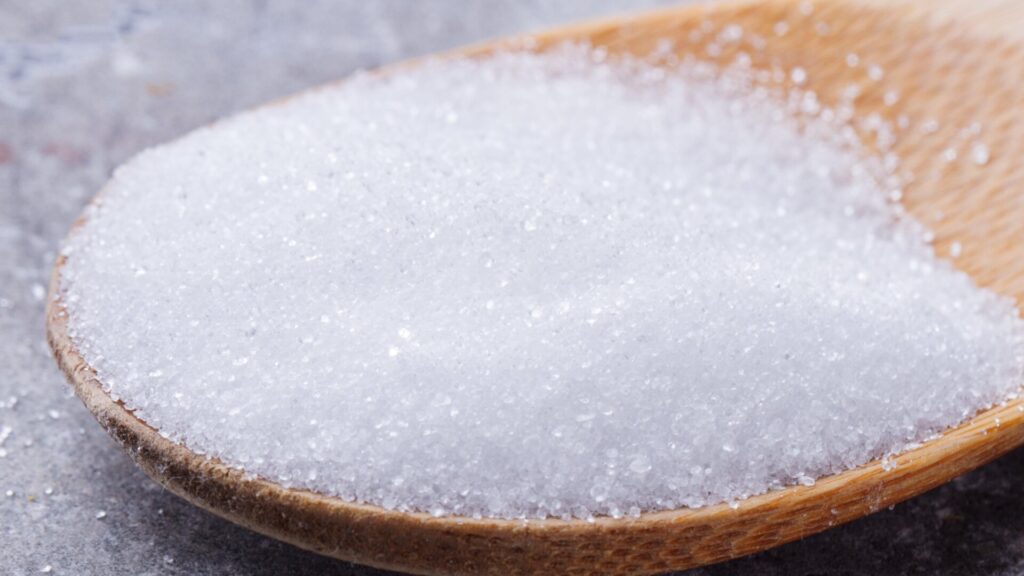
A team says erythritol, a keto-friendly sweetener, may be linked to a higher risk of strokes and heart disease, but more research is needed.