For almost 20 years now, Lucasfilm Animation has evolved and changed its narrative relationship with Star Wars animation. From the arc-based format of Clone Wars kicking a whole new Star Wars legacy off, to more broadly episodic shows with narrative-advancing character work like Rebels, Resistance, and The Bad Batch, to condensed, tight anthologies like the Tales series—the studio has always been open to experimentation. Next week, it begins a new one: the return of a character saved from fleeting intrigue by animation, the former Darth Maul, in a 10-chapter, heavily serialized narrative.
That experiment, Maul: Shadow Lord, gives the studio some good space to have interesting ideas about an underdog character who, up to this point, has largely driven other people’s stories. It gives it even better space to iterate on and advance its house style, celebrating the leaps and bounds that have occurred in the last two decades.
Does it use that space well? Not entirely. But does it make that potential all the more promising? Absolutely.
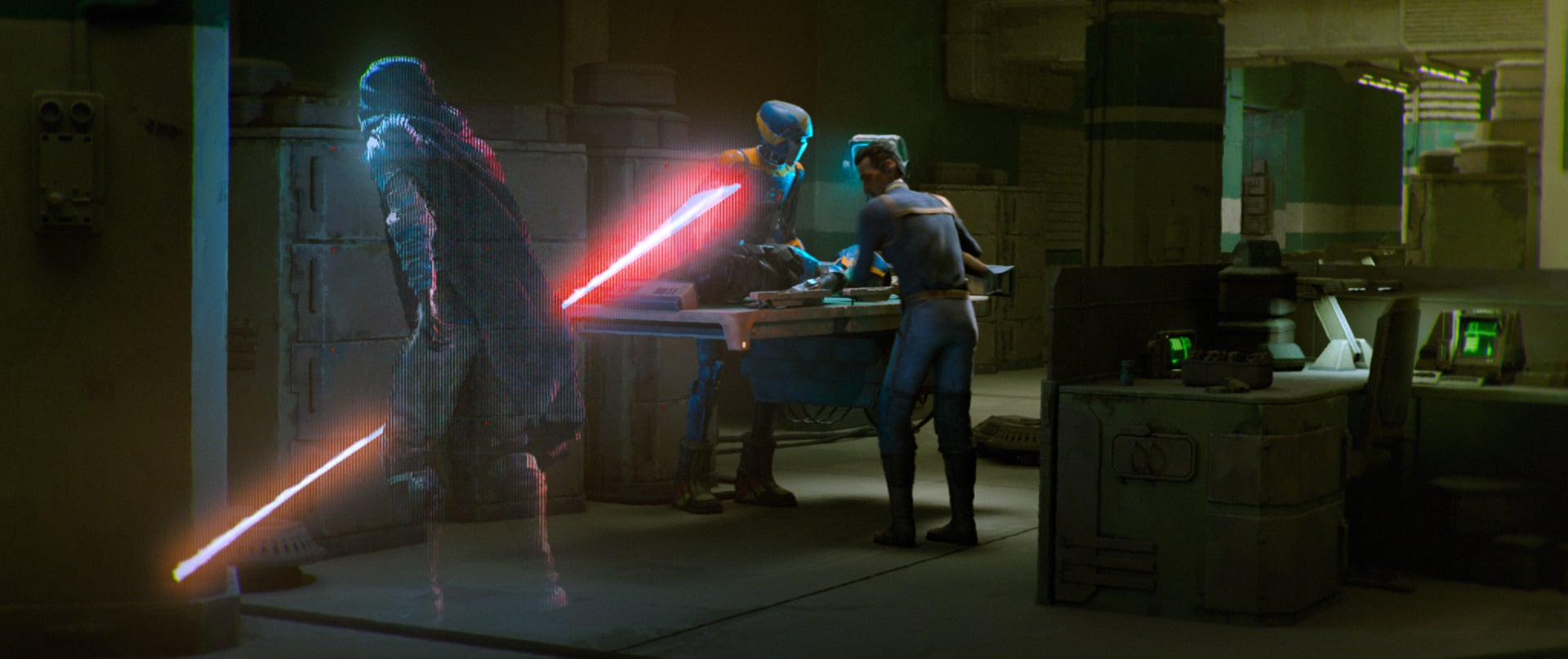
Shadow Lord is set not much further after the events of Revenge of the Sith, as the galaxy still reckons with the transformation of the Republic into the Galactic Empire—especially Maul (the returning Sam Witwer). Now the head of a small, but potent criminal syndicate called the Shadow Collective operating on the planet Janix, seemingly well out of the purview of his former master’s gaze, Maul whiles away the time strong-arming local thugs and police forces (spearheaded by Captain Lawson and his droid partner Two-Boots, played by Oscar-nominated actor Wagner Moura and Richard Ayoade, respectively). But when a rogue pair of Jedi, master and apprentice, cross paths with his operation (Eeko-Dio Daki, played by Dennis Haysbert, and the young Devon Izara, played by Gideon Adlon), Maul finds something brimming with the same potential he once had—a new tool for revenge.
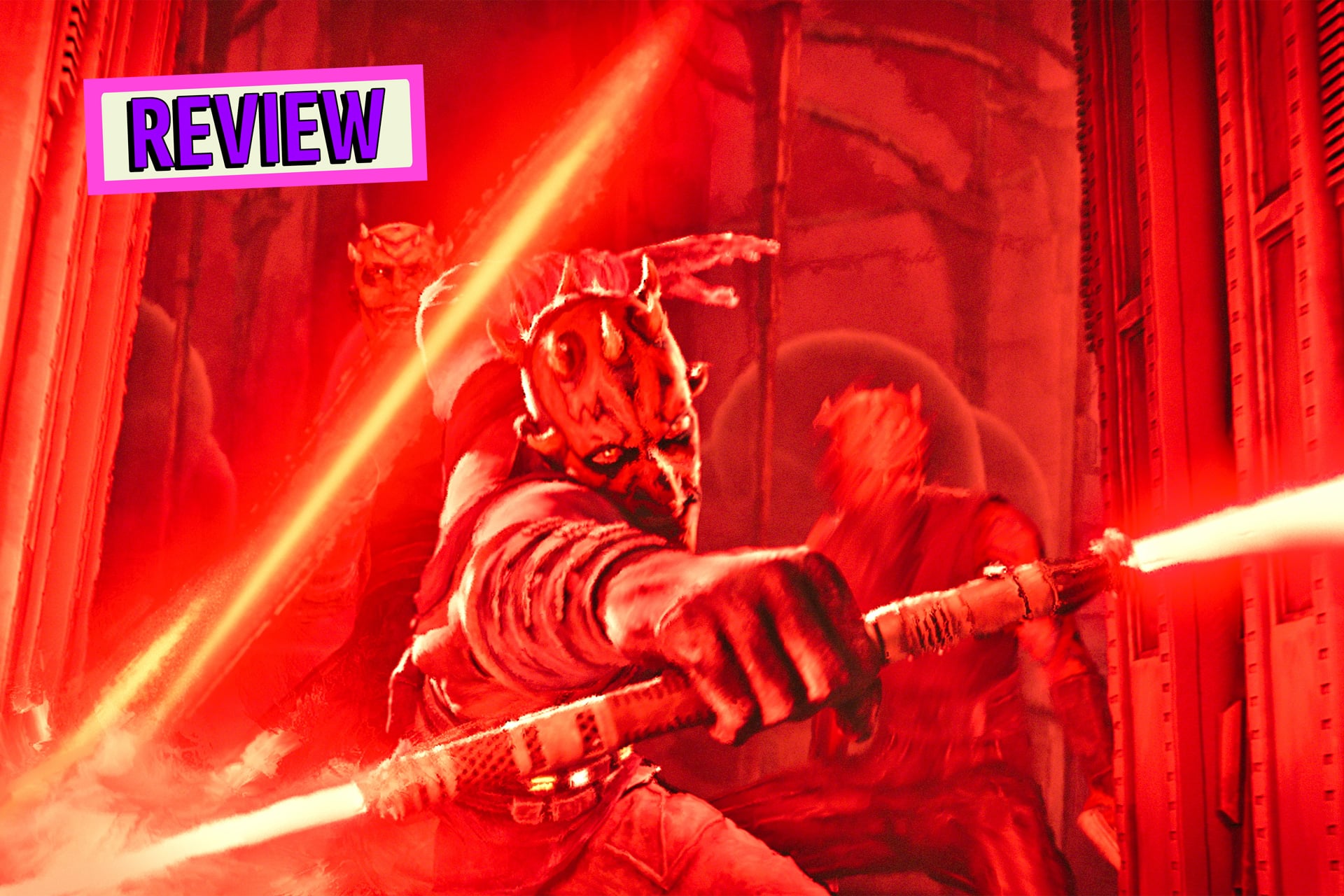
Over the course of the first eight episodes of the season provided for review, Shadow Lord begins to lay out this desperate revenge plan (and it is desperate; in many ways, that’s part of Maul’s charm) in a world that is dripping with seedy crime-noir charms. Lucasfilm Animation has rarely looked better than it does in Shadow Lord, with lush background art smearing neon hues and dirty haze, and subtle, but noticeable texture work giving character models an almost painterly look, enriching that worn-in Star Wars feel as the galaxy slowly begins to fade from the aesthetics of the prequels. This especially pops in Shadow Lord‘s moments of action, especially when lightsabers are involved: blades flare up as if made from living flame rather than controlled energy, reflecting the frantic anger of their wielders, dousing scenes in shades of red as a stark contrast to the cool hues of Janix or the shadows of the Empire’s eventual arrival on the world.
It is in capturing this crime-story vibe that Witwer brings out a much more complicated layer to his performance as Maul, as well. Since his return in 2012, we’ve seen many sides to Maul, from the broken shell his brother found him as to the desperate, wizened crone with a tragic streak that he is by the time of his end in Rebels, but Shadow Lord brings us a Maul at the top of his game. That doesn’t mean he’s a suddenly perfect person, far from it—he’s still a hot mess haunted by the way Palpatine discarded him, beset by failure after failure around him, and always looking for a new way out and towards a rise we know will never quite come for him. But that allows Witwer to play Maul as a manipulator, far less grandiose and prone to snarls and shouts, with a calculated yearning that becomes almost obsession when he encounters Devon and realizes her potential.
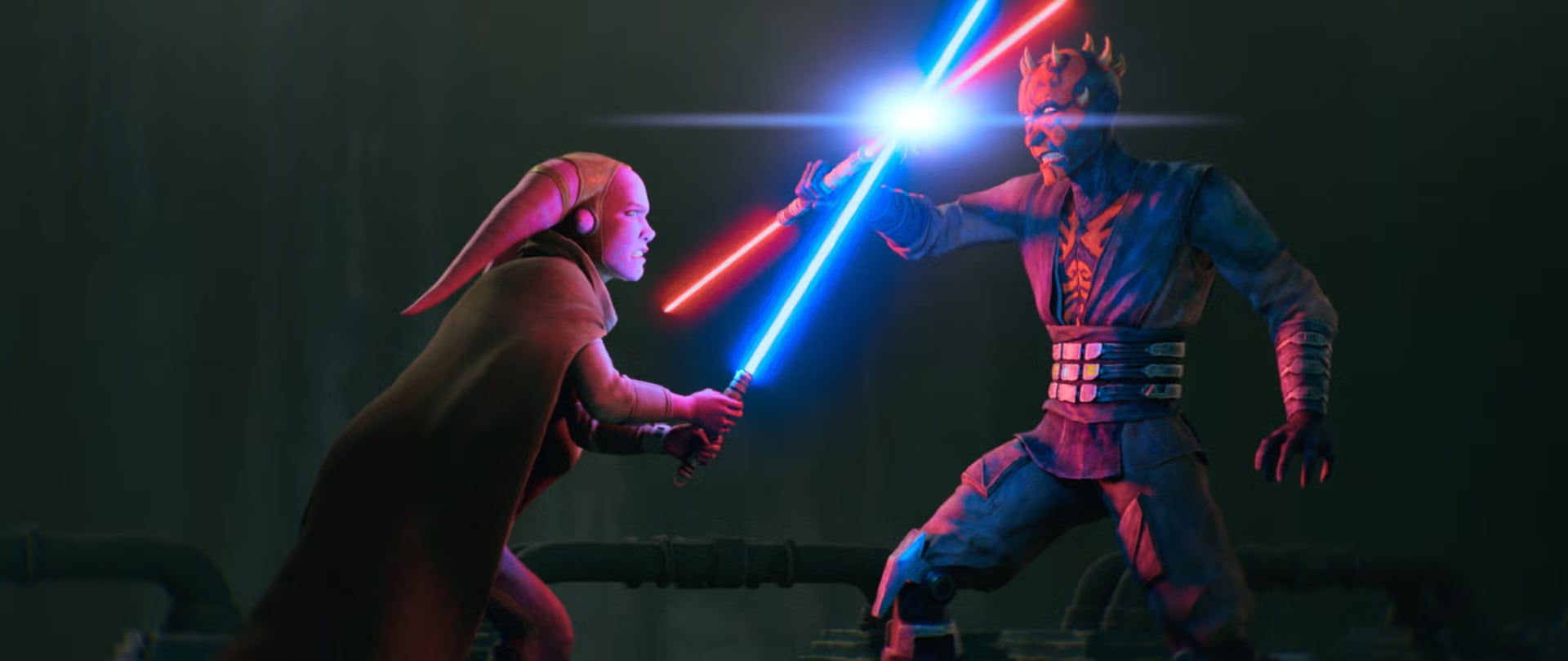
Adlon brings a performance to match that with the young Jedi padawan as well, balancing a delicate line between someone whose whole life has been shaped by the noble perspectives of the Jedi Order, and the understandable bitterness of having that wrenched from her as she and her master are left begging for scraps on shadowed streets. She is as crucial to what works in Shadow Lord as Maul is himself, and when they’re on screen together, playing the cat and mouse of pushing each other’s buttons, the show is at its most electric—just how their relationship will eventually unfold is one of the driving forces of the whole season, and there’s plenty of space for the show to explore that tension.
However, where Shadow Lord‘s debut season stumbles is in how often it fails to effectively use that space. The first eight episodes are slow, and not always in a measured sense, and when it gets on to a good idea, it gestures to it more than it does take the time to explore it, leaving it feeling simultaneously thin yet dragging. When the show does start to pick up the pace and intensity in its back half, it’s largely because Shadow Lord has traded the bulk of that crime-mystery thriller tone for the more typical and familiar story of people on the run from the Empire coming to call, as groups of characters get more spread out from the central narrative and even Maul himself starts feeling lost in the weeds of all the running and explosions. While it ultimately represents a fun catalyst for Maul’s plans slowly falling apart again with the Empire breathing down his neck, it mostly means that the season is one where not a lot of things happen until they suddenly do, and they’re mostly things of visual excitement rather than more cerebral ones.
It doesn’t help that a lot of this action and purported tension is driven by familiar faces that we know end up having to show up elsewhere. The Empire’s presence on Janix is largely driven by two members of the Imperial Inquisitorius, the Eleventh Brother (from Tales of the Jedi), and Marrok the First Brother (from Ahsoka). We’ve already seen both these characters die in those respective stories—not like that’s stopped a Star Wars character before, least of all the protagonist of this show—so when they’re squaring off against Maul, who of course dies for seemingly good in Rebels, it’s all very cool and visually striking, but there’s very little imperiled in the narrative, and even the presence of new characters like Lawson or Devon doesn’t lead to them feeling threatened enough to add some.
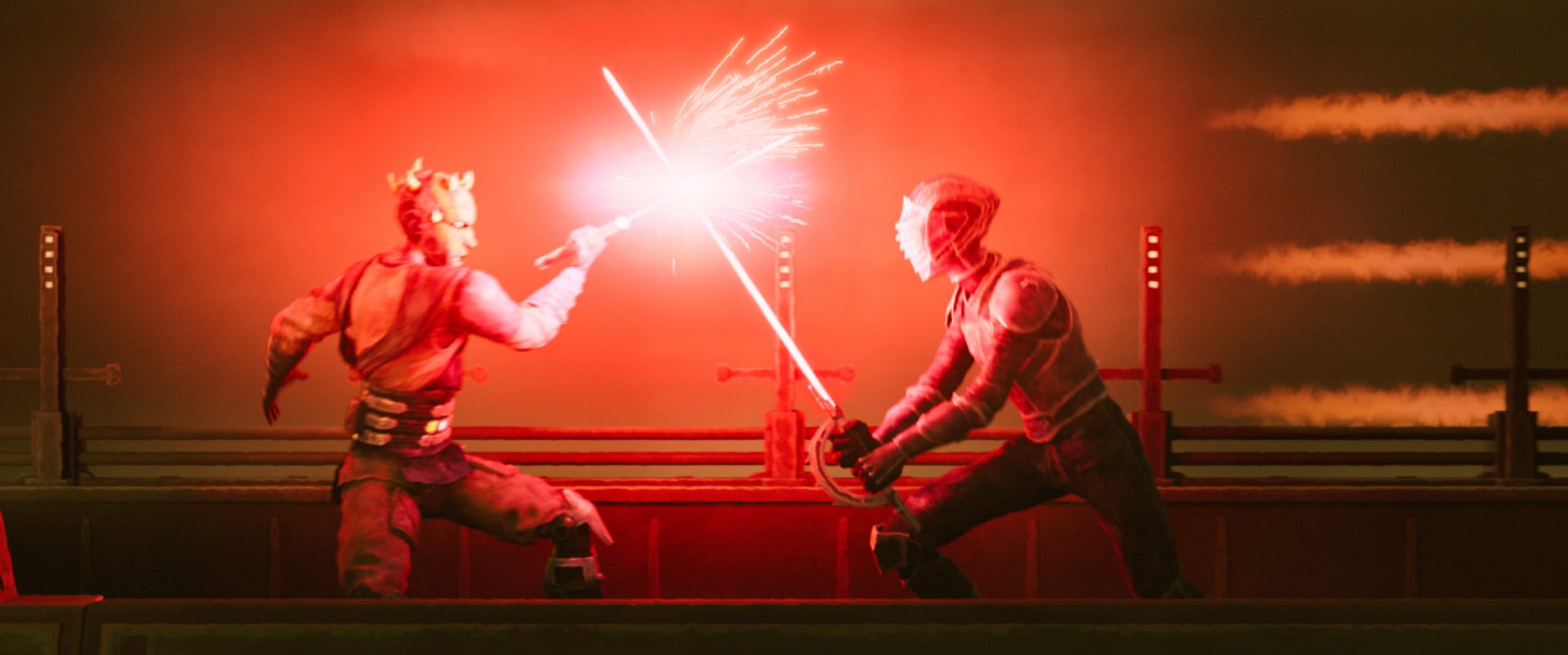
It’s an increasing problem of Star Wars‘ fondness for a sort of prequelized obsession, and Shadow Lord is at its emptiest when it falls into those moments—even more so starkly when contrasted with when the series uses that prequel nature at its best, to bridge the character arc of Maul himself between Clone Wars and Rebels and explore his character in interestingly meaningful ways, or when it ignores it entirely to flesh out more interesting aspects of the Empire’s arrival on Janix, especially with Lawson and Two-Boots’ roles as members of the local police (it’s a subplot that’s never really quite at the tone of an Andor, but a vibe that’s surprisingly mature for an animated show).
It’s that the show still does this in moments, beneath the slick veneer of lightsaber battling and the less complicated evils of the Empire running around the place, that gives it an intriguing potential that series can never quite live up to, much like its wayward titular anti-hero. We now know, at least, that the show will return for at least one more season, so it’s not like Shadow Lord has to suddenly slam into high gear and wrap everything all up in the two episodes not shown to press yet. But even if it does, and those episodes provide a satisfying path towards that second season, what’s here in the first is just a bit too off for its own good.
What is clear is that, despite that, Lucasfilm has a keen interest in Maul as a character and the ideas he can represent and play with in the galaxy far, far away. Shadow Lord lays the path for the studio to explore those, and could pay off into something quite special—but it doesn’t actually dig into their potential meaningfully quite yet.
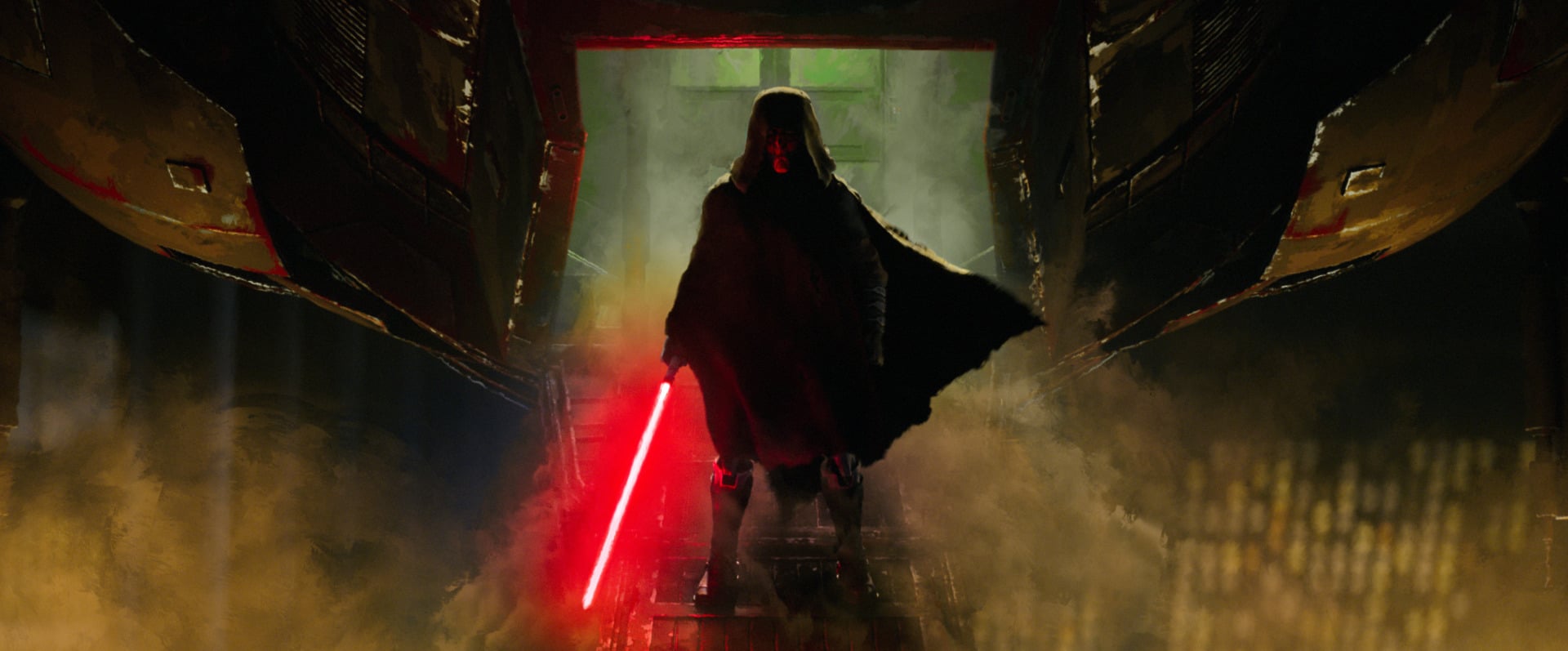
Maul: Shadow Lord begins streaming on Disney+ with a two-episode premiere today, April 6.
Want more io9 news? Check out the best movies and TV shows to stream this month and all the upcoming sci-fi, fantasy, and horror books that should be on your radar.