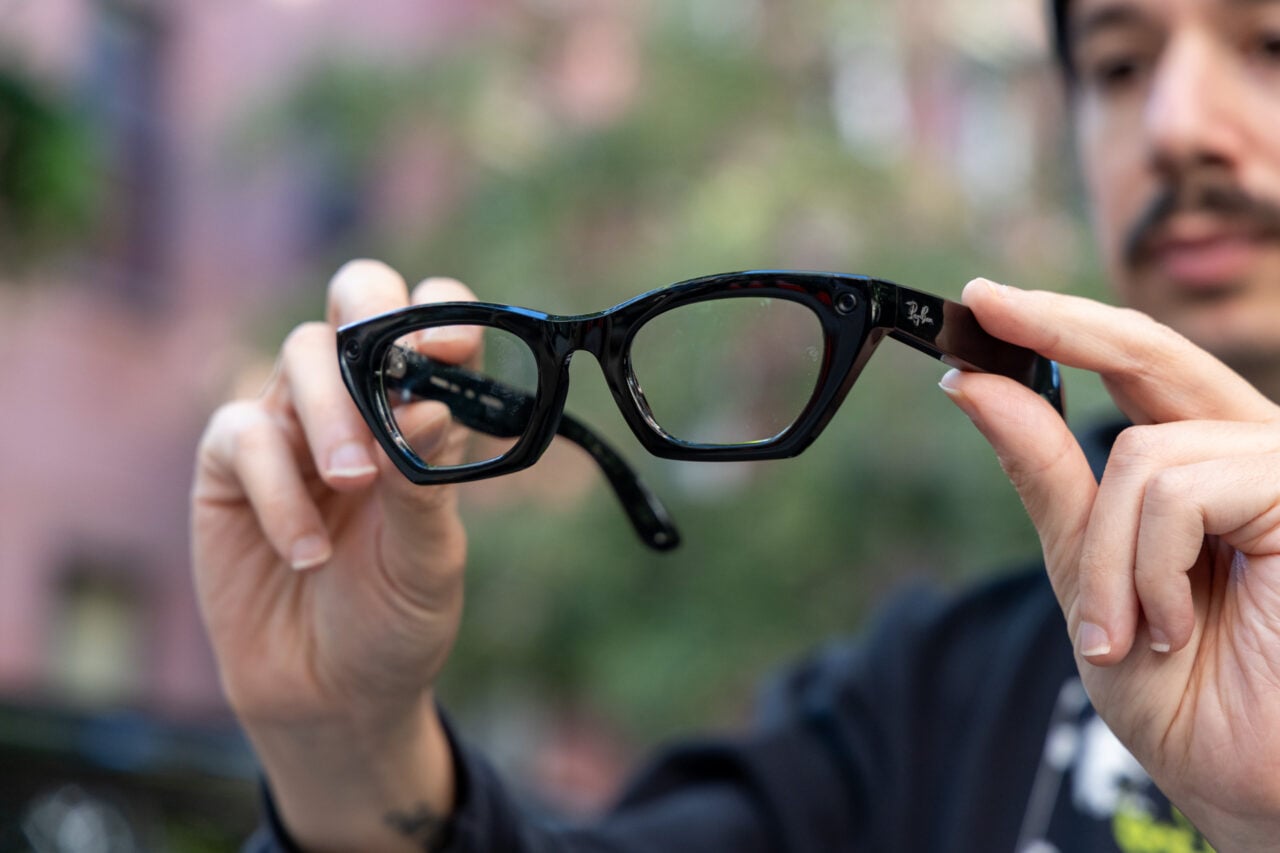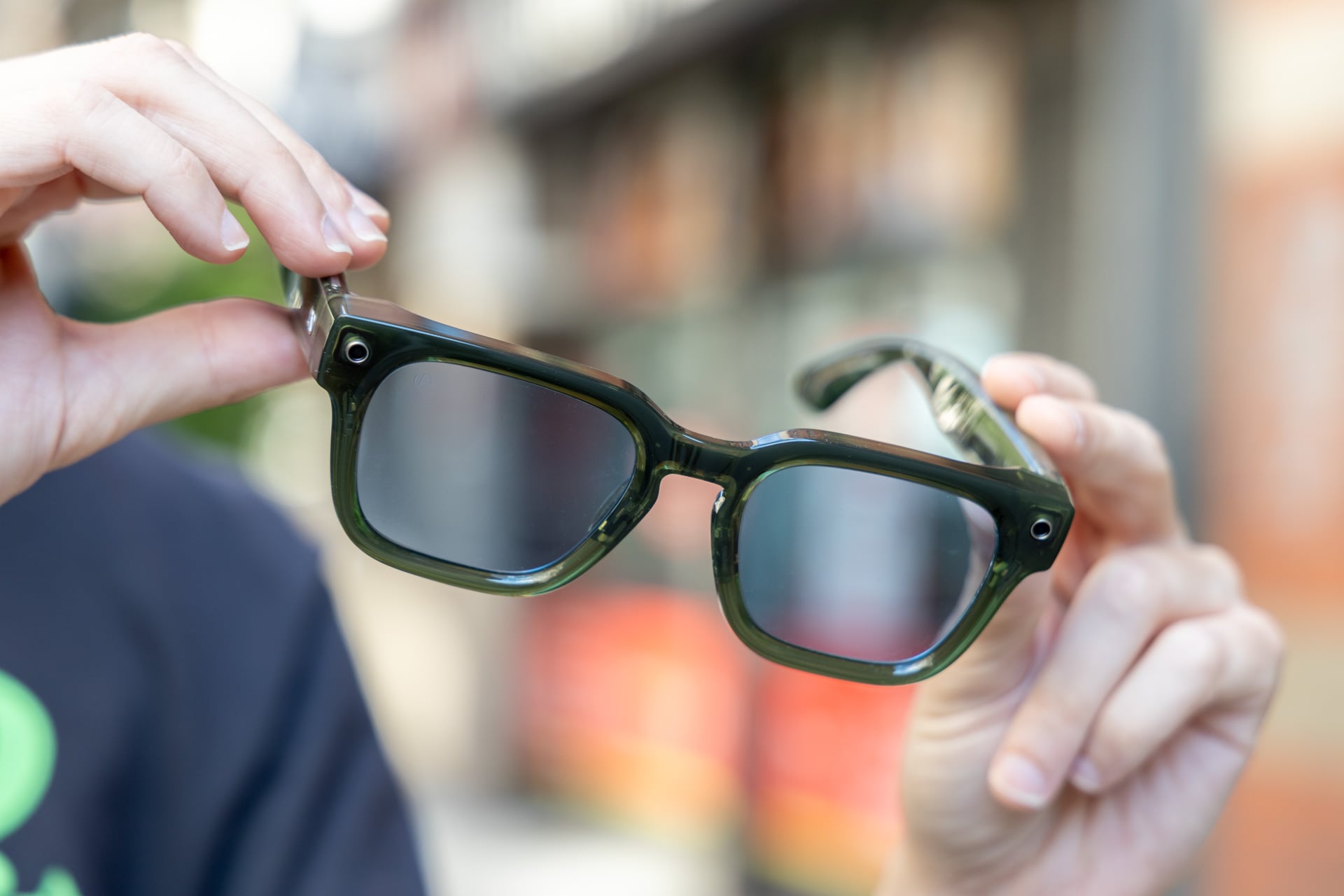
Smart glasses ick people out for various reasons, and many have to do with cameras. In response to that ever-growing aversion, companies that make face computers with cameras on them have extended some small but helpful olive branches to people worried about privacy.
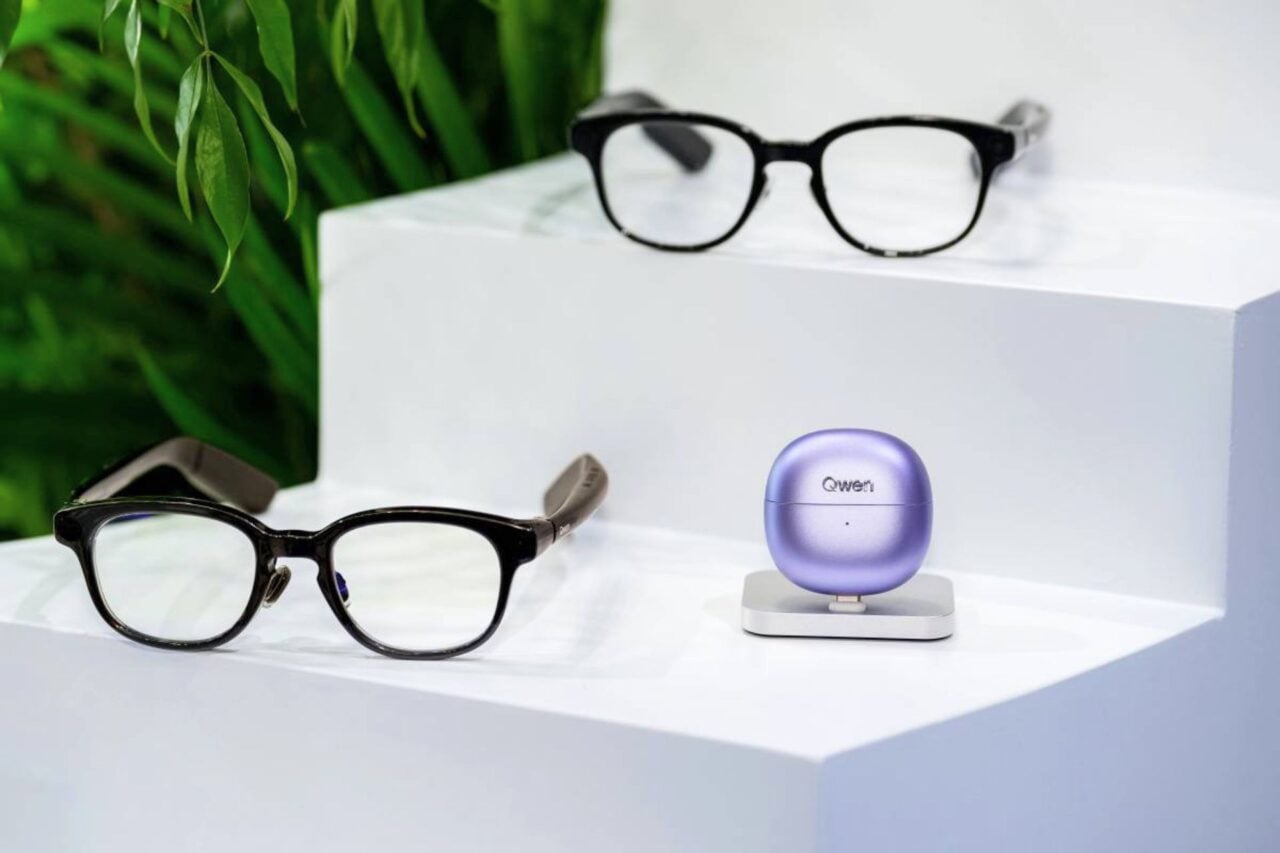
For example, there’s the standardization of LED indicators that light up when wearers of smart glasses are recording or kits that block cameras for occasions where they shouldn’t be allowed. Some companies are excluding cameras altogether in their hardware, opting instead for displays, voice assistants, and speakers.
In Meta’s case, though, things may be swinging toward the polar opposite end of the spectrum. According to the Financial Times, Meta is testing prototype smart glasses that record literally everything, all the time. The so-called “super-sensing” glasses would reportedly capture photos “every few seconds,” according to sources familiar with the matter who spoke to the Financial Times. The idea here is that Meta’s AI glasses could act as a kind of always-on assistant and even remember things about your day like where you left your keys or specific things you said.

At the risk of stating the obvious, that would be a pretty significant escalation in how Meta’s smart glasses currently work. Right now, in order to record your surroundings, you have to activate your glasses with your voice or the capture button on the glasses. Once you’re taking a picture or a video, an LED indicator lights up on the front of the glasses to show the world that your camera is on.
The Financial Times reports that, with the super-sensing prototype being tested, there is no plan to light up the LED indicator when the glasses are taking photos of the wearer’s surroundings. On top of that, there are divergent views within the company on whether the data collected by the glasses should be stored on Meta’s servers and used to train its AI. One proposed iteration of super-sensing would collect metadata, but not store pictures themselves, which would be a bit more privacy-friendly but still far from perfect. Metadata in photos, for example, can often contain exact locations, device serial numbers, and more.
“Our approach has been to develop new technologies that will help people throughout their day, with privacy built in from the ground up. This work includes projects like our Aria research glasses that we showed at Connect, which uses privacy protective technologies to help people without capturing photos and videos the way traditional cameras work,” a Meta spokesperson told Gizmodo in a statement. “While we don’t comment on internal prototypes, we’re committed to getting our glasses right because they need to be loved by both people wearing them and those around them.”
For context, Meta already collects and stores user data to train its AI, and that practice has had some unsavory results. A report from Swedish newspaper Svenska Dagbladet that came out earlier this year detailed how photos and videos used for training Meta’s AI were being sent to human contractors for review. Those videos contained a whole host of private moments, like people having sex, using the bathroom, and sensitive banking information. If those are just the moments captured incidentally (or accidentally), I can’t imagine what always-on smart glasses would potentially sweep up.
If there’s one shred of hope I can provide here, it’s that super-sensing glasses, while apparently a great idea to Mark Zuckerberg, would also be extremely difficult to make. I’m skeptical that smart glasses would even have the required battery to make such a feature plausible—recording constant video is a huge drain on hardware as it currently stands. Meta could theoretically equip its smart glasses with a super low-res camera that uses less battery or maybe saddle its hardware with an external battery pack, but I’m not sure either of those avenues would be sufficient or if they’re things Meta is willing to do in the first place.
Long shot or not, the idea of always-on glasses is a concerning one, especially coming from Meta, which has reportedly been dabbling with the idea of facial recognition in its smart glasses—another loaded technology that Meta has a problematic history with. The rule of thumb with Meta and its smart glasses seems to be, “If we can do it, we probably will.”