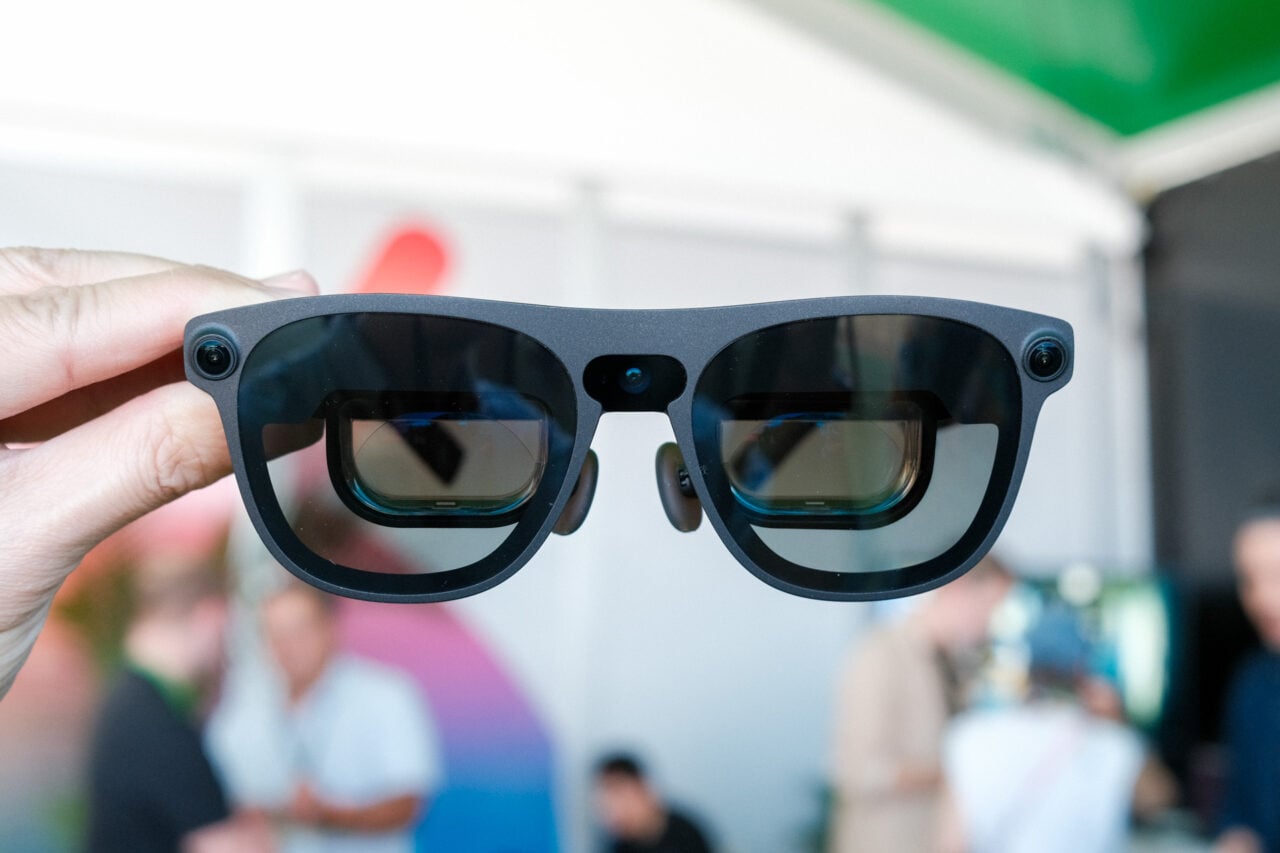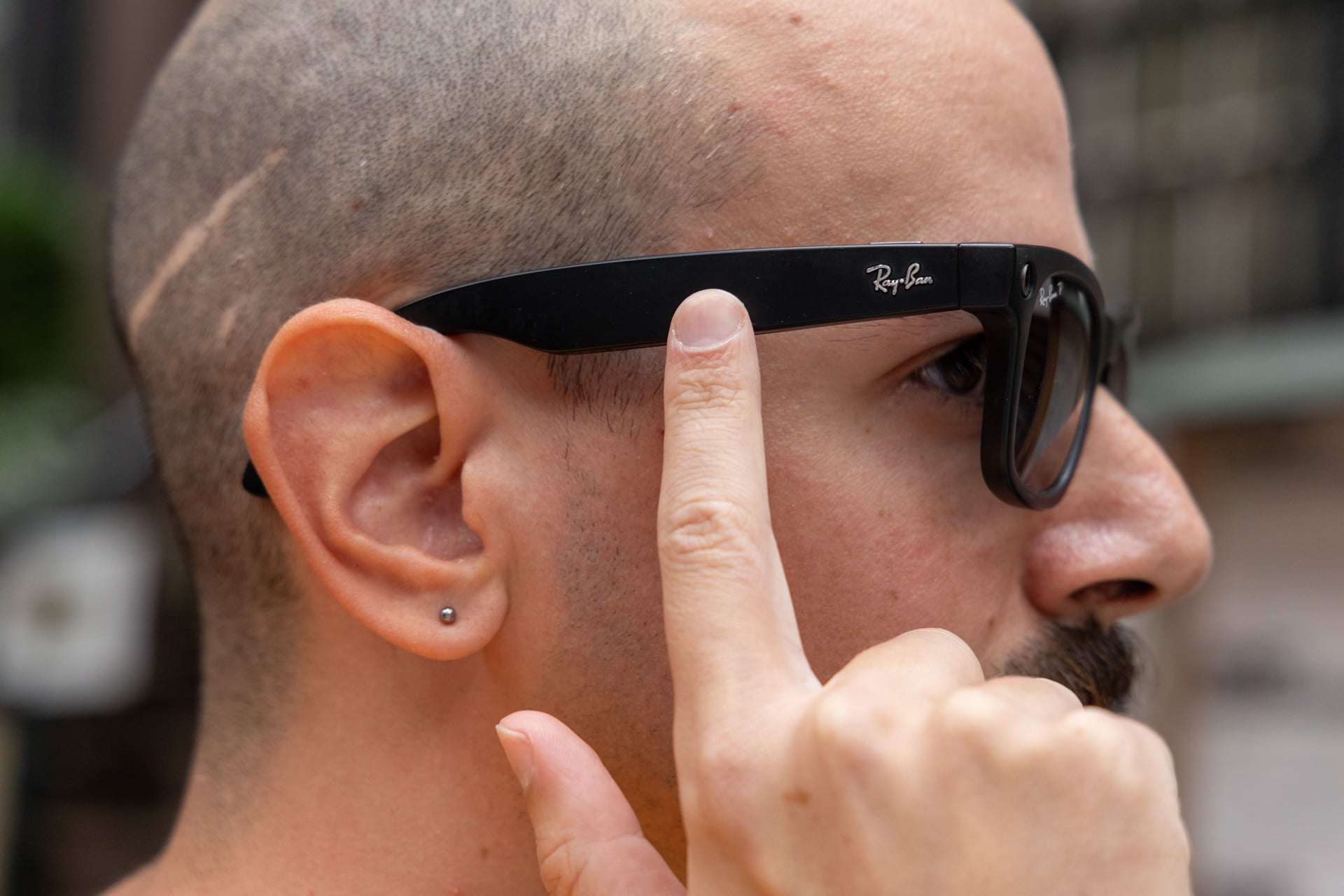
Meta will now ban users who post harassing videos filmed with smart glasses on Instagram. Instagram head Adam Mosseri said in an Instagram story this week (as reported by Business Insider): “We don’t want people to be surreptitiously taking videos of other people and harrassing them and then posting them on our platform. So we’re trying to fight that in any way we can.
How and when these bans will happen hasn’t been specified by Mosseri or Meta more largely. Business Insider found that two major prankster accounts posting smart glasses content had already been deactivated; Meta confirmed they’d been banned per the new harassment policy.
The new ban is almost certainly a response to general public sentiment around the proliferation of smart glasses globally, of which Meta holds a hefty share. Much of this backlash stems from smart glasses’ ability to surreptitiously record video, allowing bad actors to quite easily film strangers without their permission. A small recording light is meant to signify when the glasses are recording, though users very quickly realized how easy it is to cover this as a workaround.

The term “pervert glasses” has been thrown around for many moons now, but backlash has, in the last few months, reached entirely new heights. Smart glasses are getting athletes thrown out of competitions and landing users with criminal charges; New York State recently banned them entirely in courtrooms. Massive global celebrities like Lorde are publicly denouncing smart glasses. (Kylie Jenner, meanwhile, is helping Meta rebrand its smart glasses as cool.) Even one of the biggest surveillance countries in the world thinks we need more government oversight on smart glasses.
Meta continues to toe a very fine line when it comes to its messaging around how and when smart glasses can or should be used. While the company publicly shows its disdain for its smart glasses being used for untoward recording, it’s also toying with the idea of developing smart glasses that record everything all the time. But then again, Meta’s always been good at pushing products it knows aren’t necessarily good for its consumers. We can expect plenty more mixed messaging on the matter in the not-too-distant future.