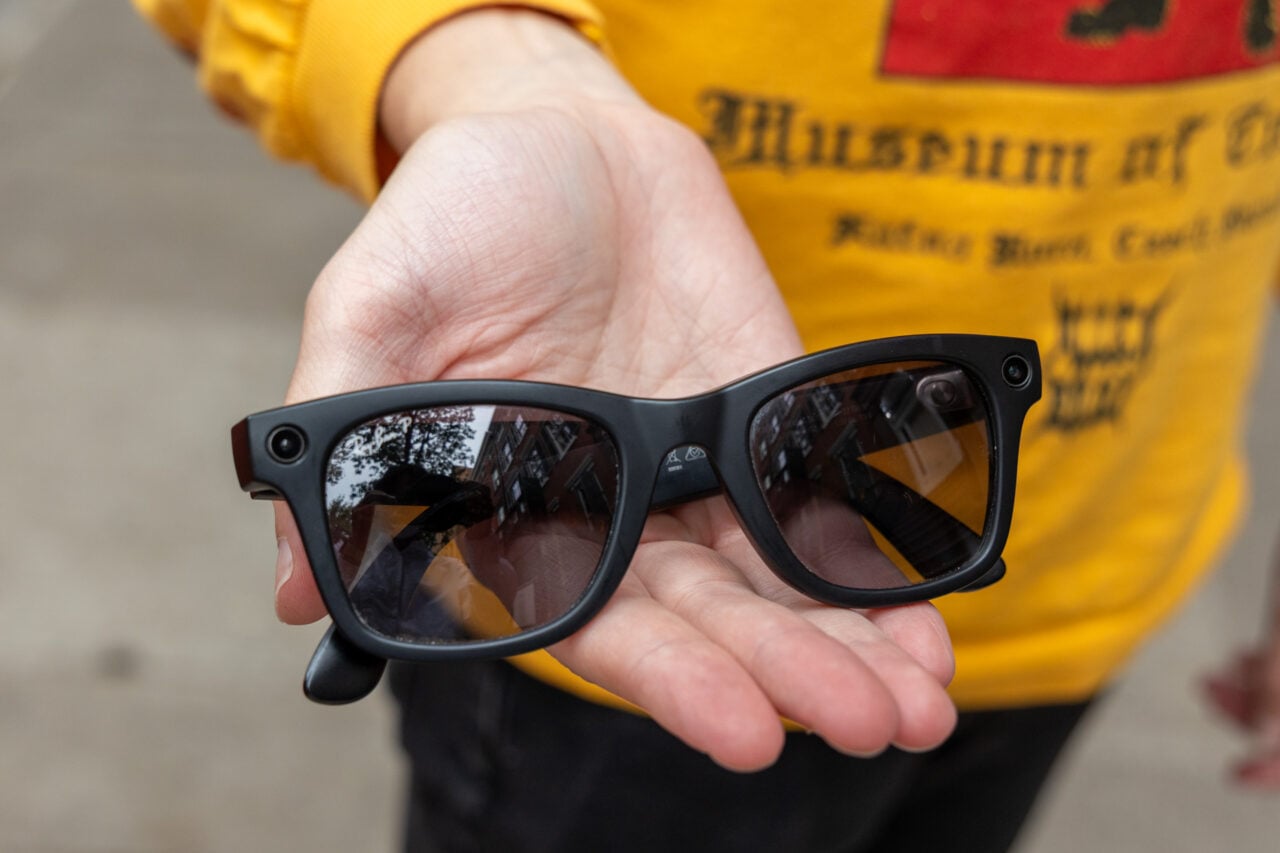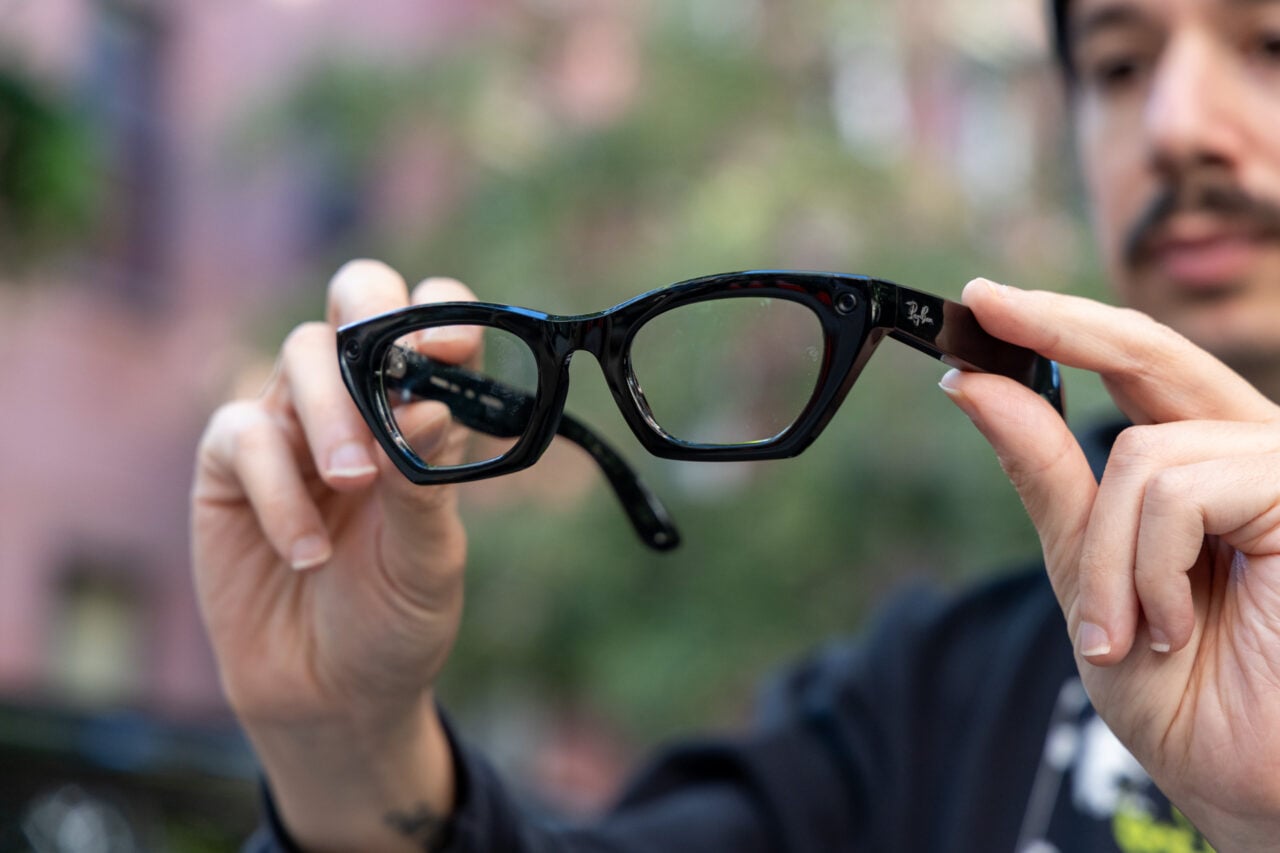
There are lots of ways to get disqualified from a cycling race, but until recently, wearing the wrong glasses was not one of them. This is 2026, though, and “the wrong glasses” can actually mean smart glasses loaded with a camera, speakers, and AI, and that distinction is increasingly swaying people’s opinions.
Just ask professional cyclist Willie Smit, who recently took to social media to chronicle his disqualification from a race for wearing what appears to be Oakley Meta smart glasses. According to Smit, this is his first disqualification in 14 years of cycling, and he was unaware, before starting the race, of a rule passed in April prohibiting the use of smart glasses while racing. I can’t say for sure whether Smit was actually unaware, but given the fact that the cyclist posted POV footage from the glasses on social media after the race, I’m going to choose to believe his claim to ignorance.
See Meta Oakley Vanguard at Amazon
Today I was disqualified for the first time in my cycling career (14 years), for wearing glasses that record video. Unfortunately I was not aware of a new rule that was implemented in April that prohibited this. A warning, fine or yellow card could have also been enough. But what… pic.twitter.com/II7nRUPKsE
— Willie Smit (@williesmurfy) July 12, 2026
While Smit appears to have only been using smart glasses to chronicle the race from the on-board cameras, the use of smart glasses in sports—and the opportunity for misuse—is more complex than just a recording problem. India’s most popular cricket league, for example, banned smart glasses as an anti-cheating measure, since players could theoretically use them to communicate with people off-field and place real-time bets, increasing the chances that someone might throw the game.

Cycling, theoretically, could run into a similar problem with riders wearing smart glasses, and that’s not even weighing the ethics of how smart glasses could be used to enhance performance. I’m not going to pretend to be a cycling expert, but any device that could theoretically coach athletes how to race better (an idea that’s not totally outlandish based on current capabilities) should probably be regulated in some way to keep the playing field level.
With all of that said, Smit also has a solid point, which is that riders in the Tour de France, for example, have been vlogging their race from handheld cameras for some time. But things change when the camera leaves your hand and lives on your face—trust deteriorates, and for good reason. When someone is pointing a camera at the world or themselves, you know (to a reasonable degree of certainty) what they’re doing. When it’s self-contained and discreet on someone’s face, though, things get a lot more opaque.
Either way, it seems like sports is destined to be another arena where wearing smart glasses is actually a stupid idea—at least if you actually care about winning.