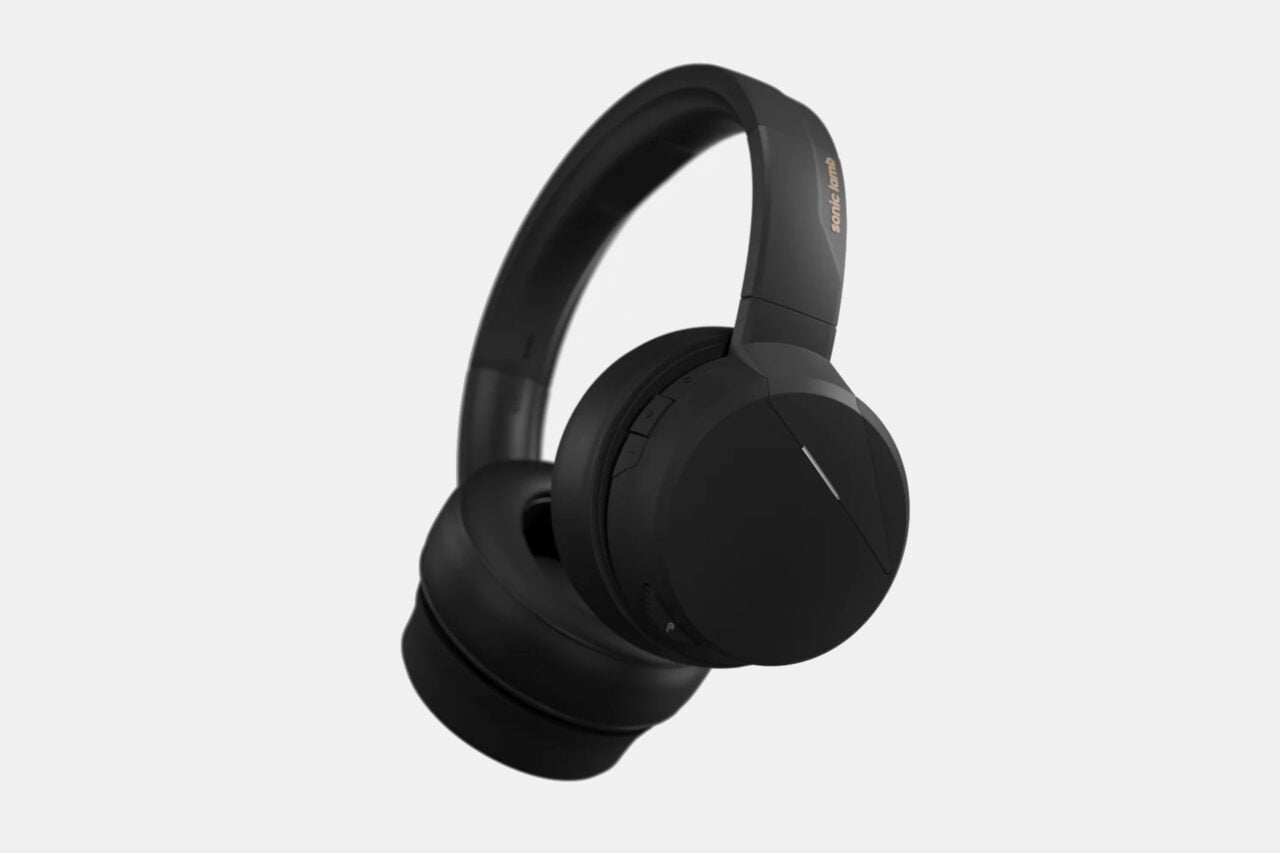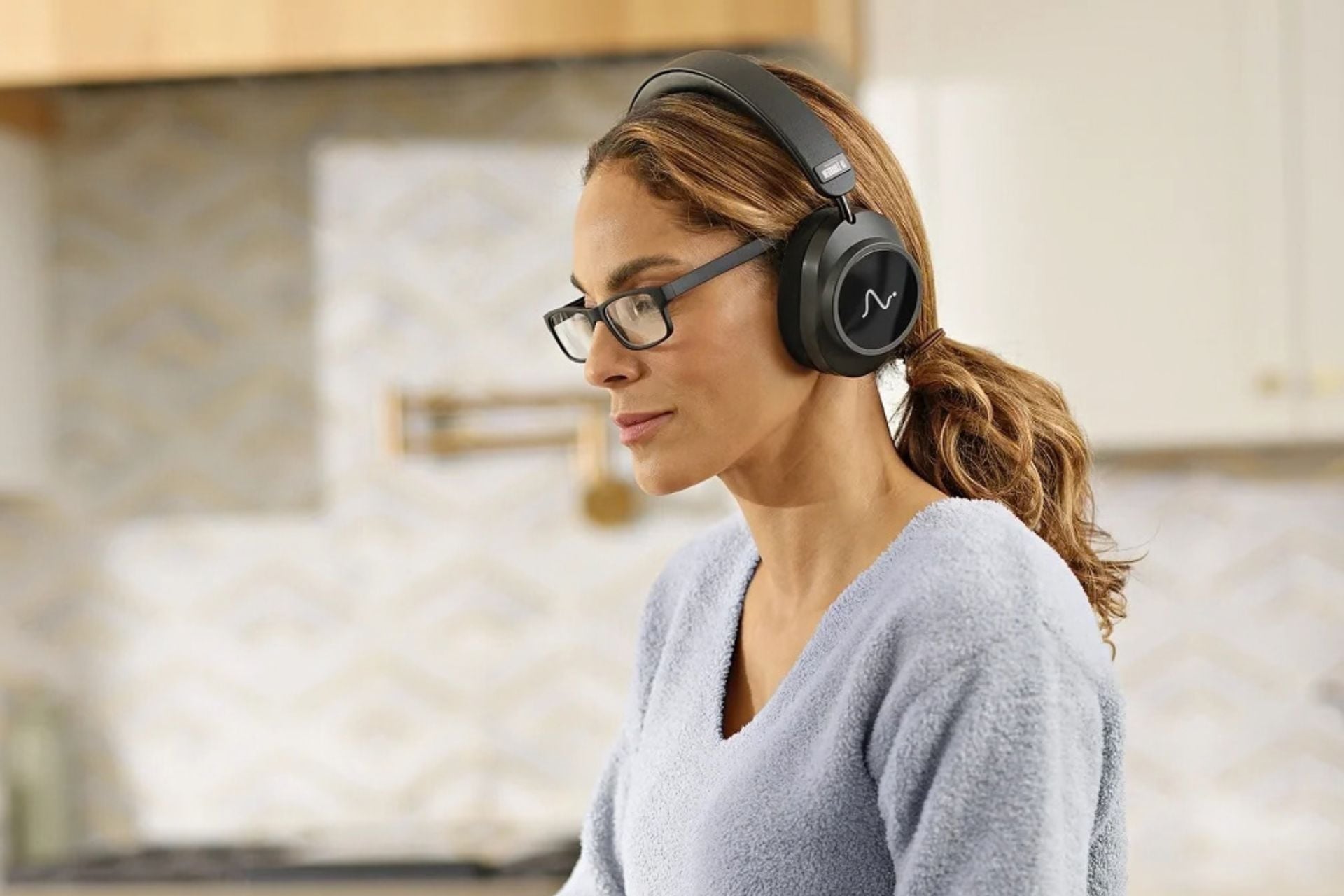
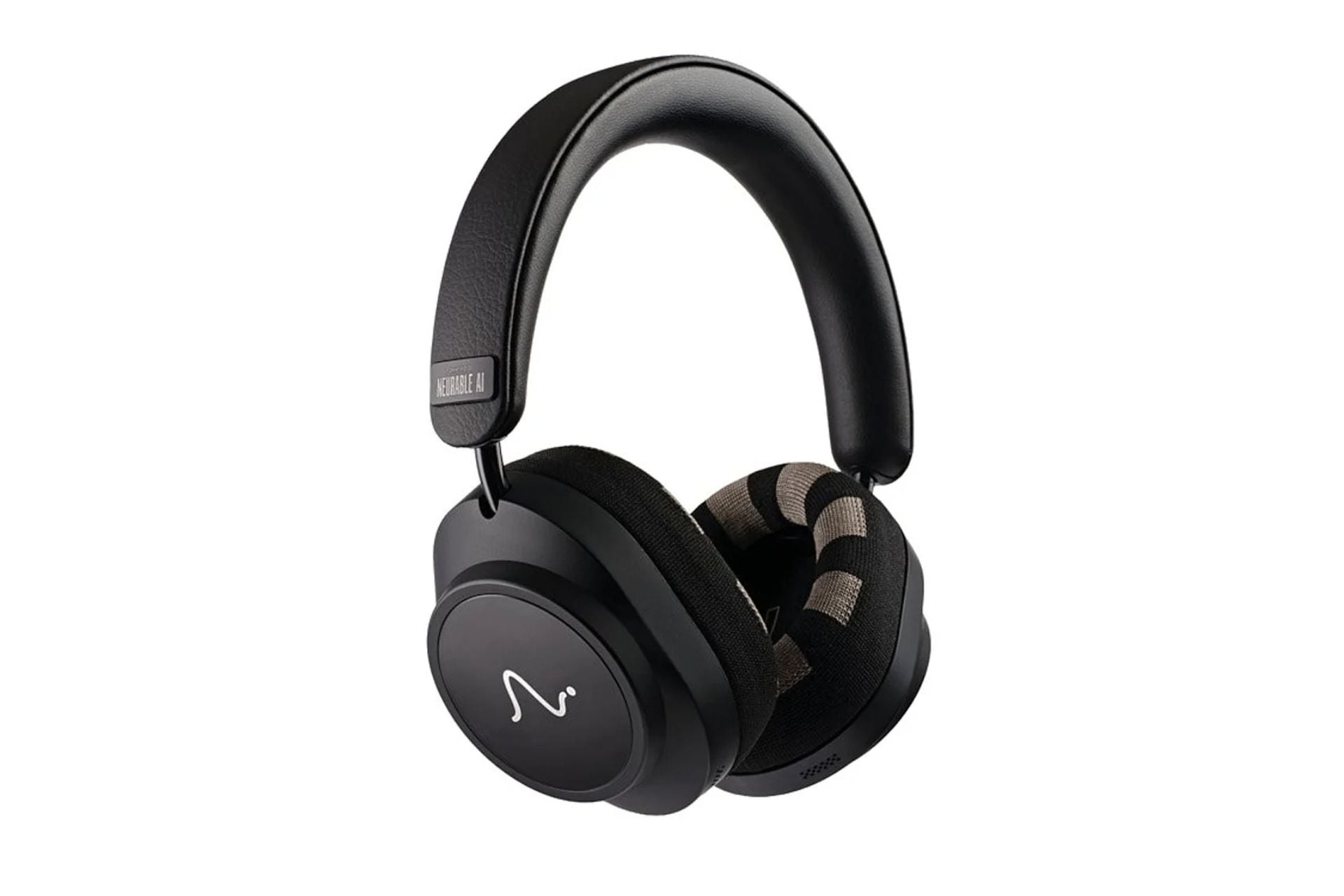
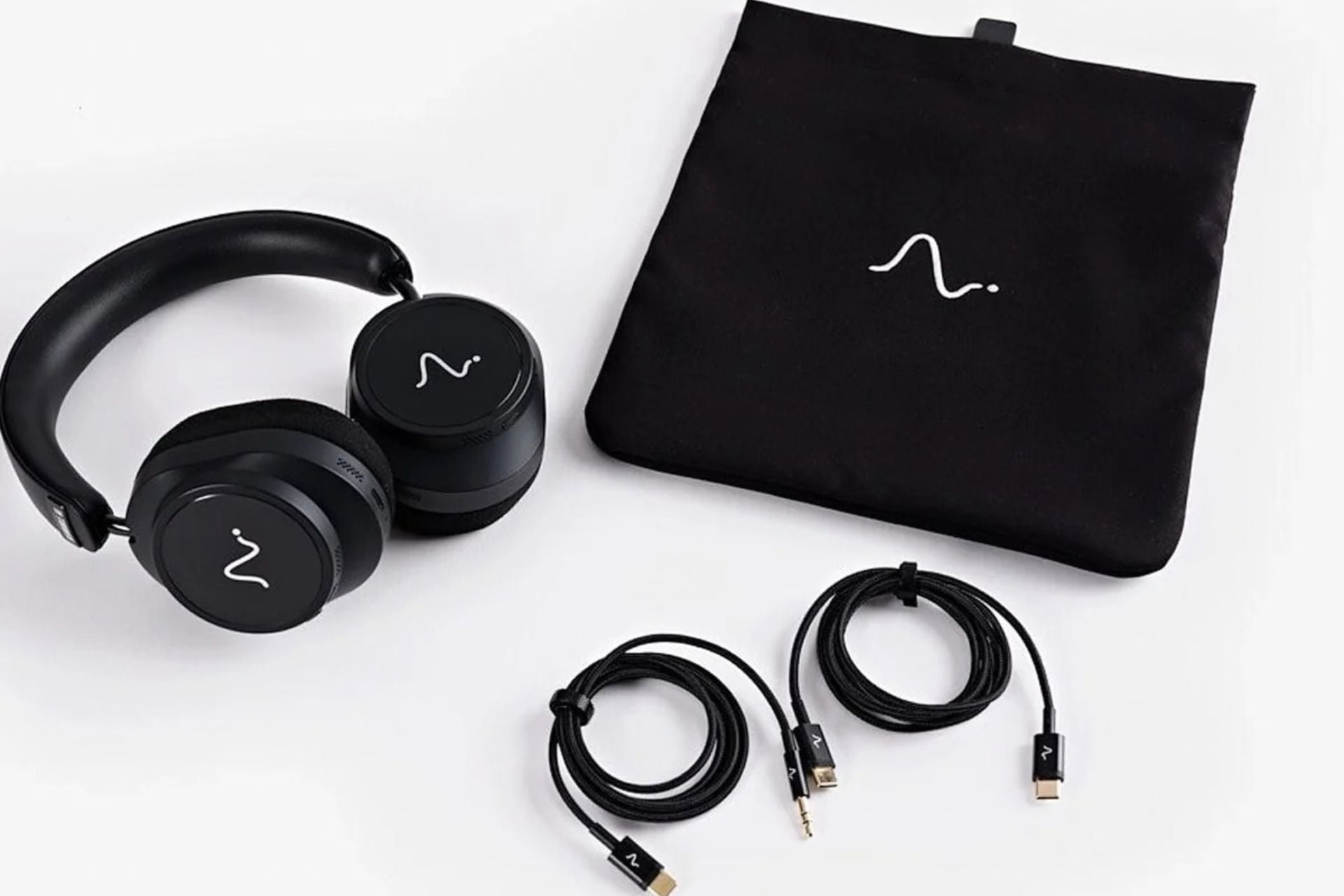
Neurable is going solo to make its first pair of brain-reading wireless headphones without the help of another company. The $499 Neurable One are officially available for preorder, and they pull from a similar bag of tricks as previous the company’s headphones. Like prior models, the Neurable One uses EEG to monitor activity in your brain and then give you feedback on things like focus level, anxiety, and more.
This time around, though, Neurable is notably ditching Master & Dynamic, its hardware partner, to make the Neurable One on its own. Neurable is also adding some metrics to the equation. One of the biggest additions is “capacity,” which judges how much you can focus before experiencing burnout, and alpha peak frequency, which Neurable describes as “heart rate variability for your brain.”
Another new trick is the ability to track more data over time, so you can get a longer snapshot of your brain activity. That means the Neurable One takes passive readings while you’re just wearing the wireless headphones, instead of only collecting data in specific sessions.
From an audio perspective, the Neurable One look decent on paper. They come with 40mm drivers, active noise cancellation (ANC), and an okay 22 hours per charge, though that gets almost halved to 12 hours if you’re using the wireless headphones’ EEG tech.
As to whether they really work or can accurately track your brain state, that depends. As IEEE Spectrum notes, signals collected by EEGs work better when they’re not obscured by hair, for example, so that’s one thing to consider if you’re worried about getting an accurate reading. Also, while longer-term insights could be useful, getting real-time data might be more hit-or-miss with at-home EEGs as they stand today.
As someone who has used wireless earbuds with EEGs in them that are supposed to track real-time sleep data, I can attest to the last part—I don’t think they were always able to accurately track my level of sleep, despite purporting to do so. That’s just kind of health wearables in a nutshell, though: you take heaps of data with a grain of salt and hope you wind up healthier on the other side.