An Indianapolis city councilor’s home was shot at 13 times after midnight on Monday morning, in what appears to be a politically motivated attack over his support for a controversial data center project in his district.
After the attack, the city councilor, Ron Gibson, claimed he found a note on his doorstep that said “NO DATA CENTERS.” Gibson and his son were not physically harmed.
Gibson has been advocating for the development of a 14-acre data center in the Martindale-Brightwood neighborhood of Indianapolis. Locals have been protesting the project for months.
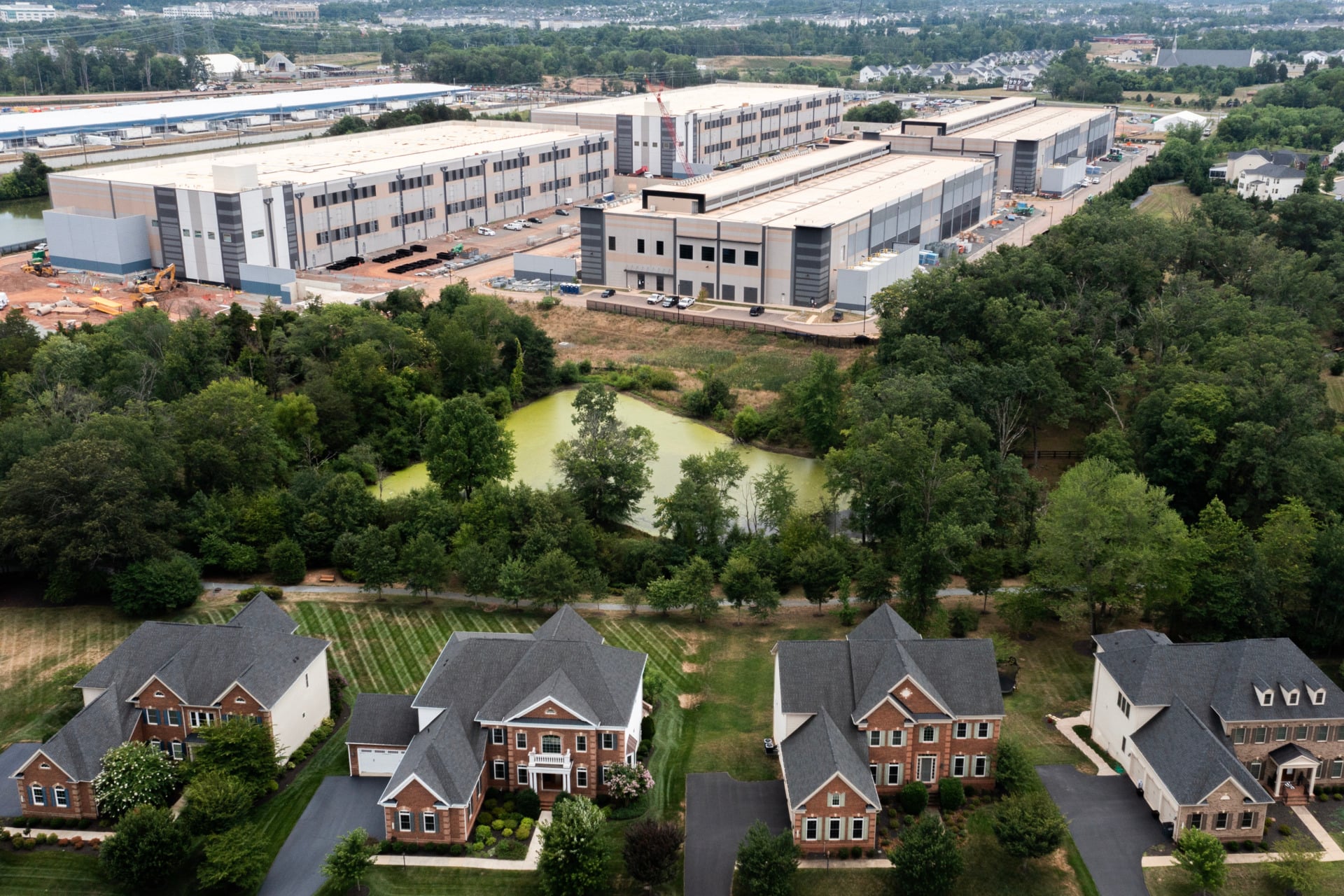
Gibson believes that the data center project, to be helmed by California-based data center developer Metrobloks, will create jobs and benefit the local economy. Locals object to that, claiming that the historically black neighborhood has been battling pollution brought by past industrial projects, including lead-contaminated soil, and are worried the data center would only worsen it. Besides health and environmental concerns, the activists are also worried about property values and utility bills.
Locals living near data centers have complained about water shortages and rising utility bills. According to a Bloomberg report from last year, people living near data centers saw a 267% hike in their electricity bill compared to five years before.
A new study also claims that data centers create heat islands within a 6-mile radius of the facility. The researchers say that the phenomenon is akin to the urban heat island effect, which has been linked to changes in rainfall patterns, air pollution, and heat-related deaths.
Another study, this time by the Environmental Data & Governance Initiative, found that those living within 1 mile of an EPA-regulated data center were breathing air pollution at levels above the national average.
The Metrobloks project was recently approved by the Metropolitan Development Commission and was headed to the City-County Council for approval. Gibson has the opportunity to call it down for an individual vote, where it could have faced further opposition. But the councilor insisted that he wouldn’t do that, which pretty much guaranteed that it would pass.
Gibson said that he still stands by his decision.
“This will not deter me,” Gibson said in a press statement. “I will continue to serve the residents of this district with integrity and respect for all voices.”
Protect Martindale-Brightwood, a local advocacy coalition against the data center project, strongly condemned the violence against Gibson, but also stood by their stance against the data center.
“We want to be clear: any signage or messaging at the scene is not affiliated with our organization and does not reflect who we are,” the group wrote in a post on Facebook. “We will not allow violence to define this movement or distract from the real challenges facing our community.”
The Indianapolis shooting comes as artificial intelligence enters a notably unpopular era in the public eye, and local opposition to data centers mounts as the United States undertakes an unprecedented data center buildout.
At least 25 data center projects were cancelled in 2025 due to local opposition, in a sharp climb from recent years. In nearby Franklin township, locals had successfully protested against a Google data center project, which the tech giant elected to withdraw at the last minute.
Local communities have begun drawing up plans for moratoriums on AI data centers until the technology’s environmental, affordability, and health effects on local communities are fully understood and addressed. Maine is widely expected to become the first state to pause large data center projects until November 2027. Activists have been calling for a federal moratorium for months, and while there is some recognition of this effort in Washington, it’s unlikely to lead to actual regulatory change, given the Trump administration’s stance as extremely pro-AI development.