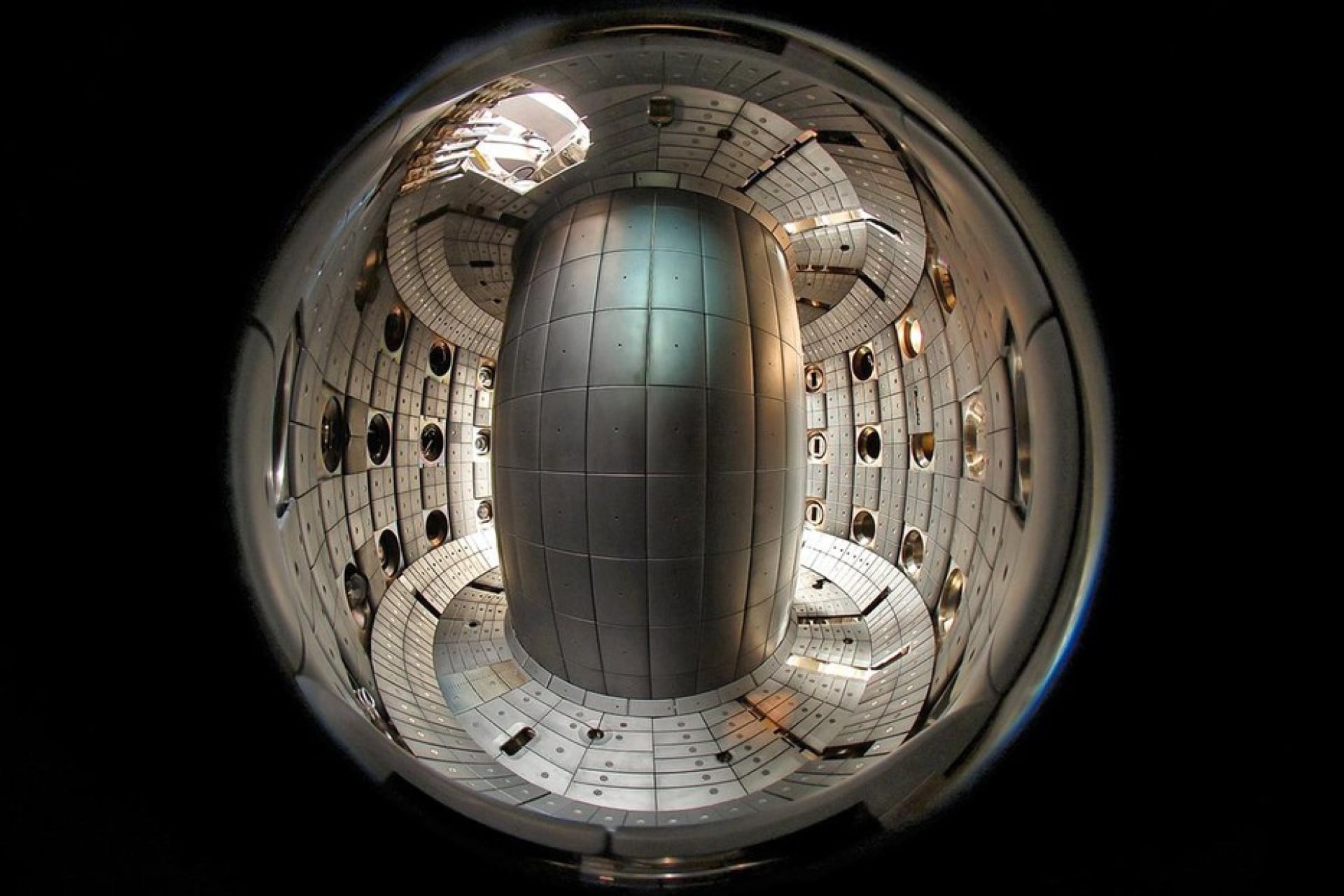
In 1982, scientists identified a process in which the plasma for fusion reactions turns from low confinement (L-mode) to high confinement (H-mode). Entering H-mode enabled the plasma to more effectively retain energy. However, in the decades since, experts struggled to pin down the heating power required to trigger this transition—until now.
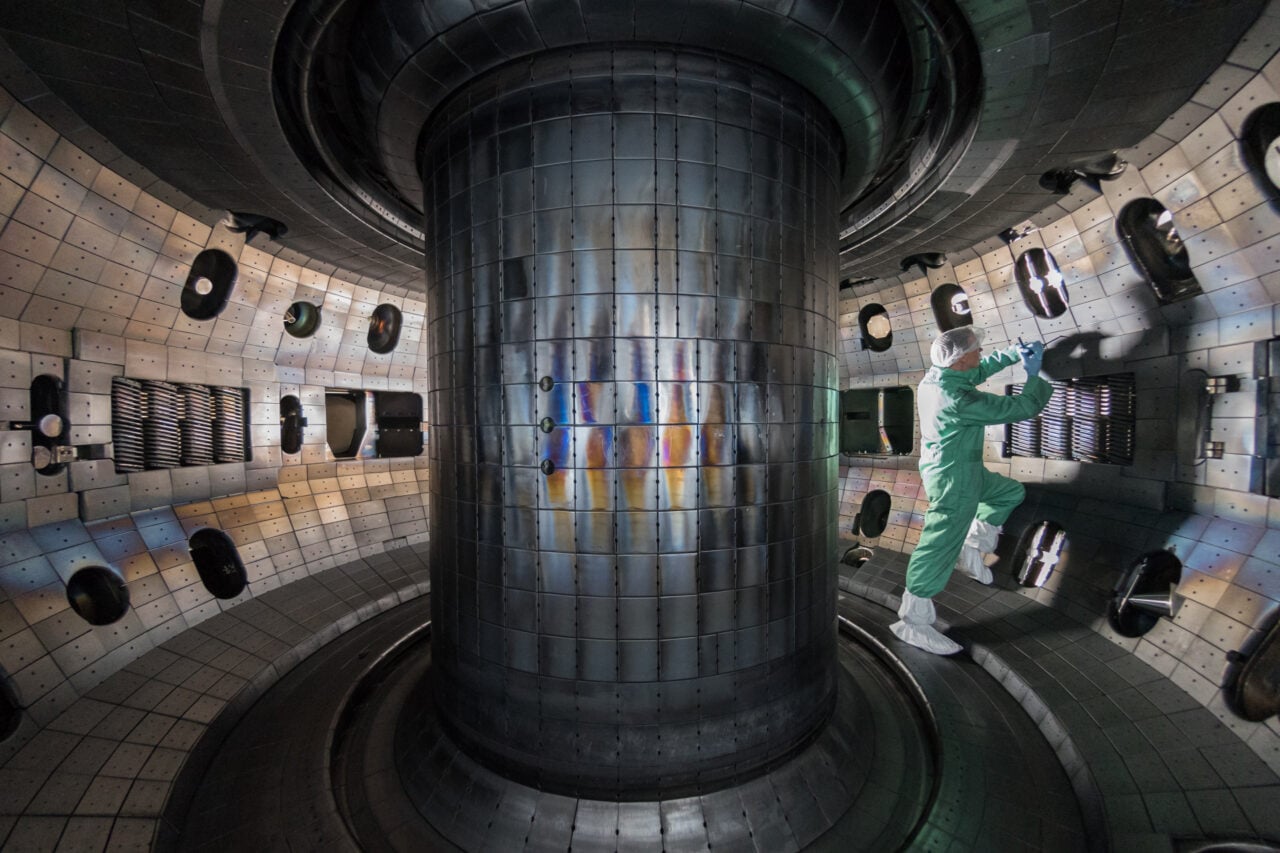
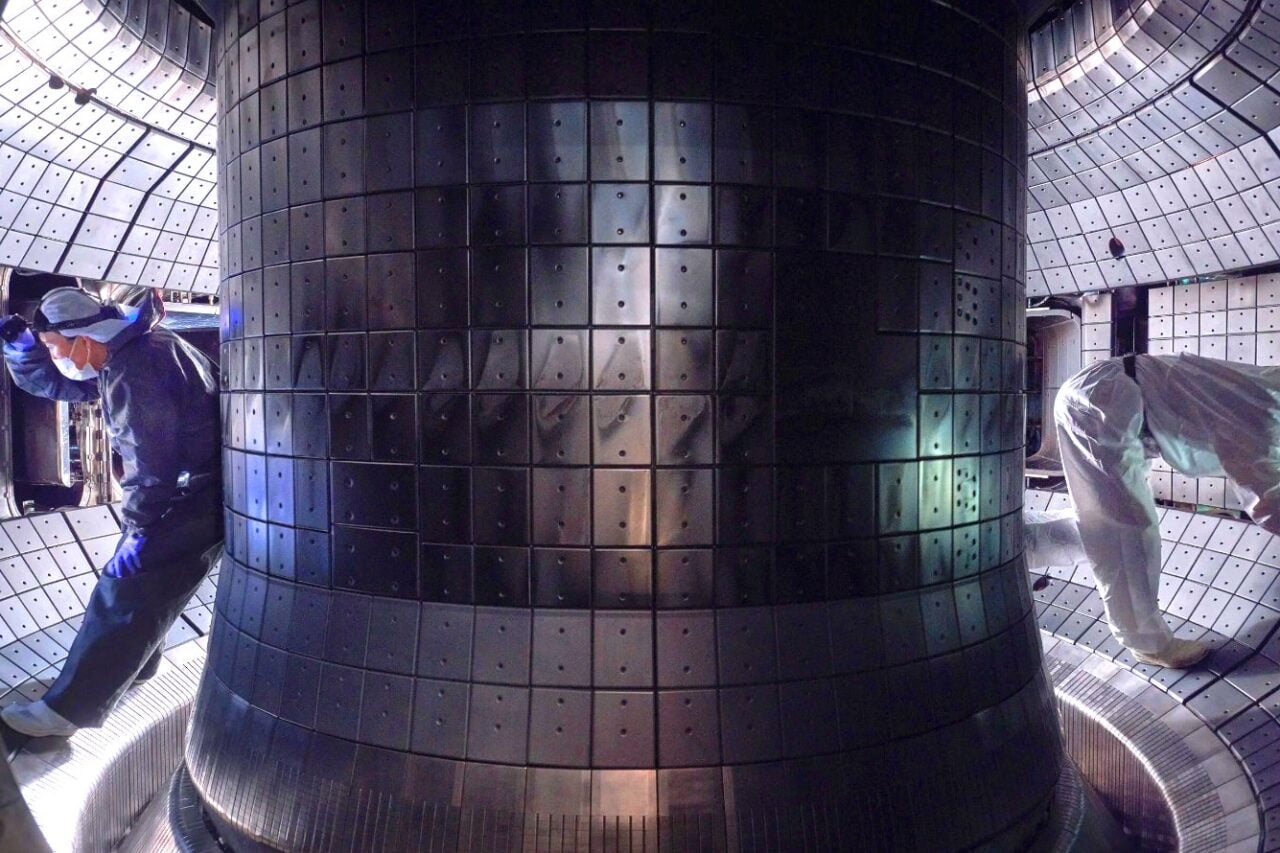
In a paper recently published in Physical Review Letters, physicists at the Swiss Federal Institute of Technology in Lausanne (EPFL) report a new framework to reliably predict the heating power required to reach H-mode. The model considers both the plasma density and the direction of the magnetic field in the tokamak, a donut-shaped instrument in fusion reactors that confines plasma with powerful magnetic fields. It also provides better perspective on why, upon entering H-mode, turbulence at the plasma’s edge drops sharply.
To be clear, the threshold for H-mode varies depending on reactor design and isn’t a universal number. The model offers a way to get a fairly good sense of what that particular threshold is for a reactor. Brenno De Lucca, a doctoral assistant at EPFL’s Swiss Plasma Center, led the research.
The framework is based on real recorded physical processes from existing tokamak experiments and “explains why the required power increases with density in one regime but decreases in another, producing a density at which the heating requirement is lowest,” according to an EPFL statement on the findings.
A foundational decade
The 1980s seems to have been a great time for theoretical advancements in fusion research. Recently, another team revived helicon current drive, a fusion technique that originated in the 1980s but was shelved because the equipment at the time wasn’t advanced enough. Although the new findings lean more theoretical than the helicon demonstration, the common factor is that the theory already had something figured out decades ago, but for practical reasons, it didn’t go anywhere.
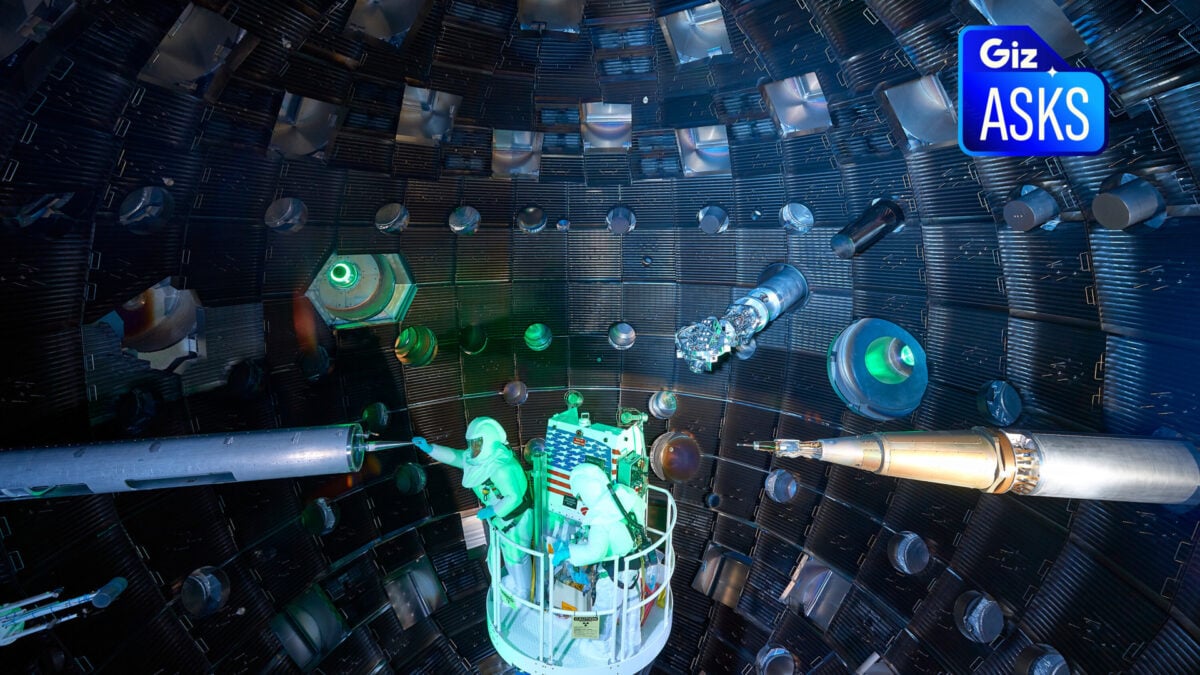
The team behind the latest paper had a lot more data from actual tokamak experiments to draw on for their model than was available in 1982. For their analysis, the researchers first used computer simulations to reproduce changes in plasma behavior inside a tokamak with increased heating power. Then, they developed a mathematical model to describe their observations. Finally, they compared their model’s prediction with real experimental results from tokamaks to see how well it did.
The tiniest details
In short, the model worked. And importantly, it offered some new insights about plasma behavior inside tokamaks. When turbulence emerges from the plasma, it generates additional flows in the outer region that ultimately suppress turbulence, cutting down on heat losses, according to the statement. On the other hand, the direction of the magnetic field can influence how effectively the plasma can enter H-mode. The team’s model addresses these factors.
From these observations, the team applied its model to future large-scale reactors: ITER, an international collaboration located in France, and SPARC, a U.S.-based high-field tokamak. According to the new framework, ITER would need at least 43 megawatts of heating power to reach H-mode, whereas SPARC would need a minimum of 26 megawatts. For context, the expected capacity for each instrument is 73 and 25 megawatts, respectively.
In other words—assuming the new model is valid—ITER should be good to go, whereas SPARC’s operators might want to be more mindful. This is also an unusual breakthrough, as it’s theoretical with a practical use. So it’ll really “see light,” so to speak, if other people pick it up, try it on their own fusion schemes, and find it useful. But it’s much better than not having any metric to predict a key part of making fusion work, so there’s that.