The planned detonation of several tons of lead azide, an explosive chemical, in southeast Iowa has been delayed until Monday following public outcry and a petition filed by environmental groups. The controlled blast, originally scheduled for today, could spread a plume of lead particles as far as 100 miles (160 kilometers) from the site.
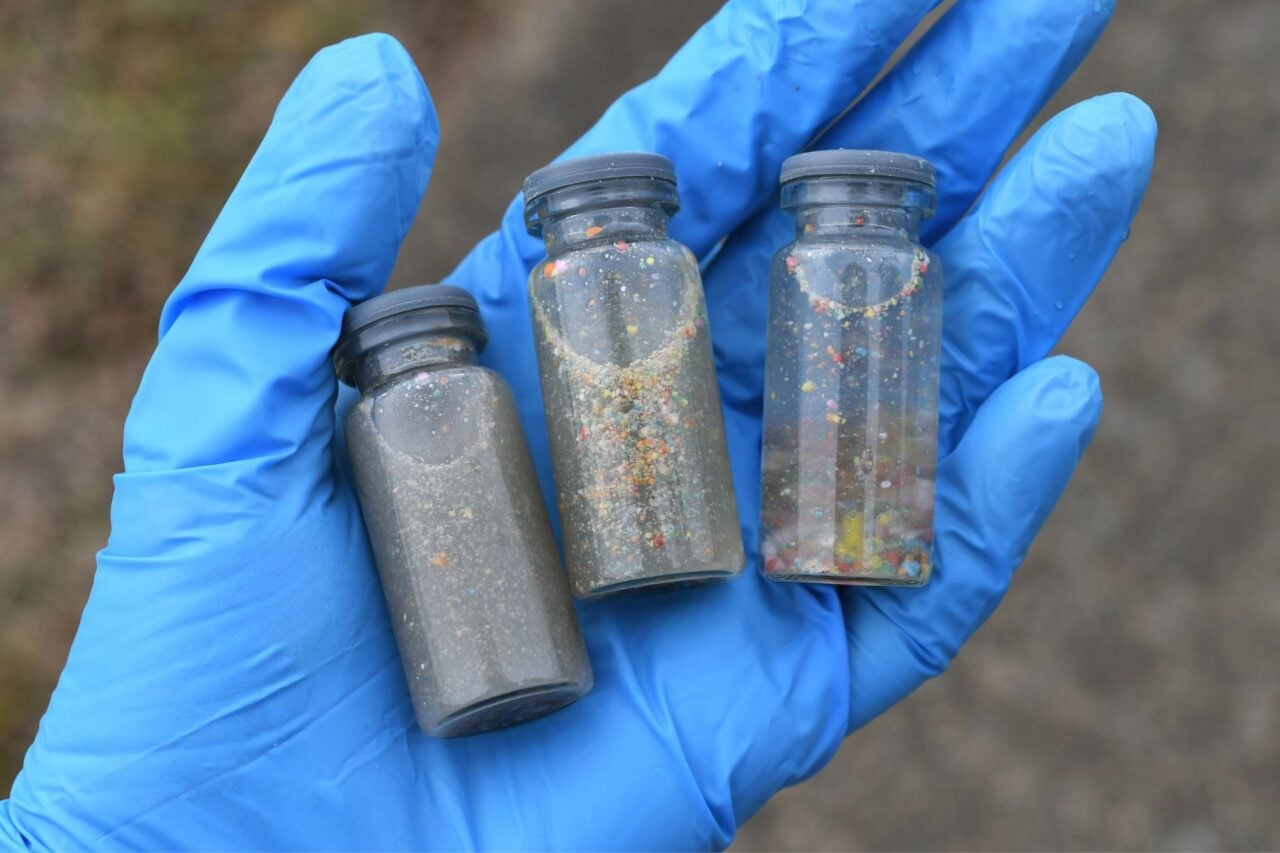
Earlier this year, staff at the Iowa Army Ammunition Plant in Middletown found 68 drums containing degraded lead azide, “creating a highly unstable and dangerous situation,” an emergency permit approved last week by the U.S. Environmental Protection Agency states. According to the U.S. Army, recrystallization of the chemical has made it too volatile to move or chemically treat.
On-site detonation is therefore the safest way to prevent an accidental detonation—a risk that rises as colder weather sets in.
“An accidental detonation would result in the sudden, uncontrolled release of vaporized lead, particulate matter, and toxic combustion gases (such as nitrogen oxides and carbon monoxide),” the Army’s environmental assessment states. Without meteorological planning or atmospheric modeling, the toxic plume could get trapped near the blast site or spread directly into populated civilian or agricultural areas, “causing severe health impacts.”
However, Iowans and environmentalists are still concerned about the air pollution that will result from the Army’s controlled detonations.
‘No safe level of lead exposure’
To eliminate the explosive, the Army plans to conduct two controlled detonations inside earth-covered magazines to limit the amount of lead released into the air. Modeling predicts that the blasts will produce elevated airborne lead concentrations, with some particles settling on the ground, but levels should remain below the EPA’s threshold for protective action.
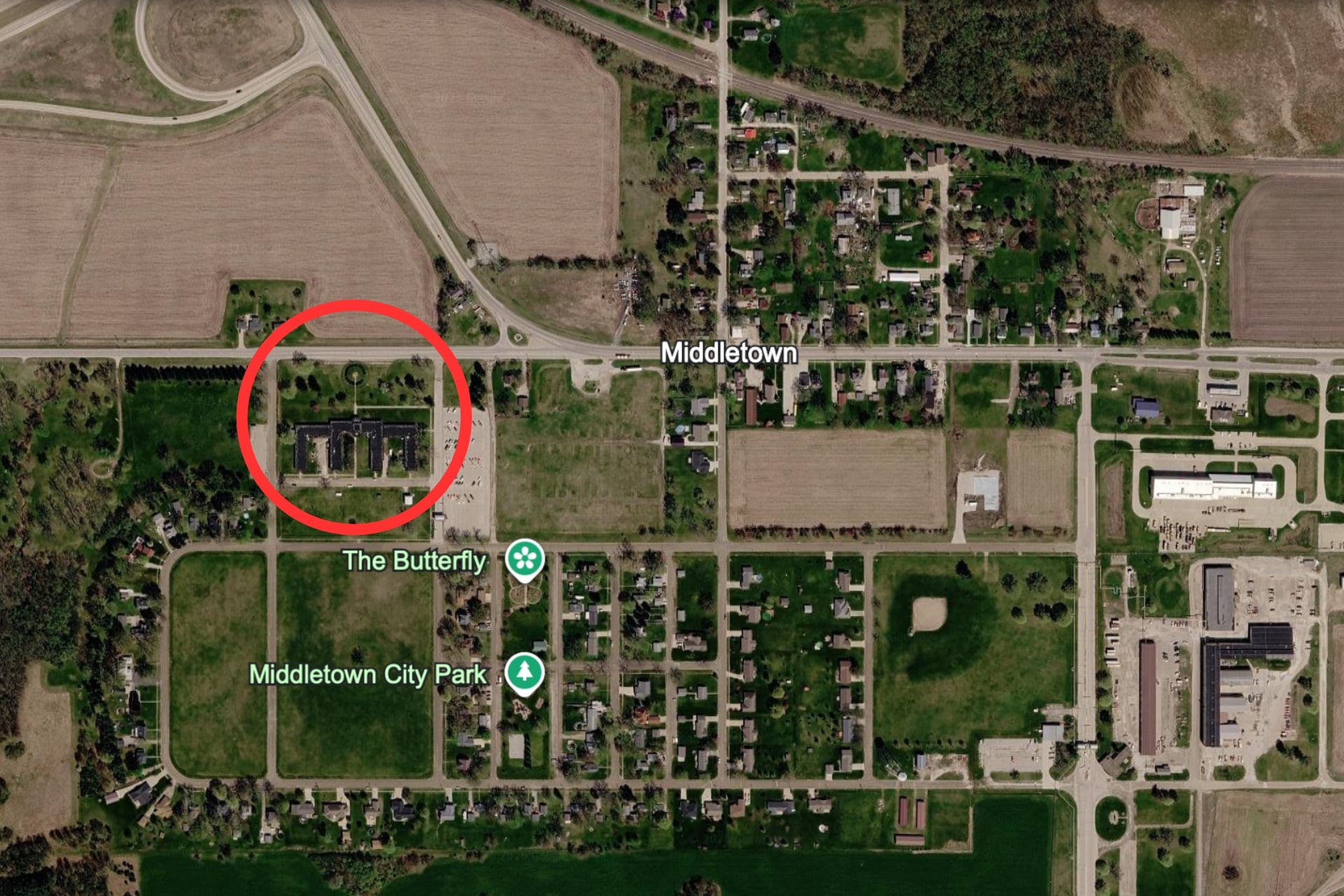
The force of the explosions could also shatter windows in homes near Middletown City Park and Butterfly Park in Middletown. Residents in this vicinity have been asked to vacate their homes while the detonations are taking place.
Middletown is home to some 400 people who will face the most acute threat from airborne lead particles and other detonation-related hazards, but in a public advisory issued Sunday, maps showed that potential exposure to toxic lead dust could extend far beyond the borders of this small town. Those within the affected area have been advised to stay inside and keep windows and doors shut on the day the explosions take place.
“The permit at issue authorizes the Army to detonate hazardous lead azide in the open, thus creating a plume of lead dust that will blanket homes and communities, possibly as far away as 100 miles or more,” reads a petition filed Thursday by the Iowa Environmental Council and the Sierra Club. “The Army intends to do so with less than a week’s notice to the full public of the scope and potential impact of the planned detonation.”
The petitioners argue that there is no safe level of lead exposure, especially for children. Lead is a neurotoxic chemical that has been linked to brain and nervous system damage, slowed growth and development, learning and behavior problems, and hearing and speech problems in children, according to the Centers for Disease Control and Prevention.
They asked the court to temporarily block the planned detonation while it reviews the legality of the EPA’s emergency permit, but the Army independently postponed until Monday. In a statement, acting Secretary of the Army Adam Telle said “this will delay the detonation until the latest possible moment prior to a forecasted temperature drop, which would risk further destabilization of the material.”
Wally Taylor, legal chair for the Sierra Club, wants to see the detonation cancelled.
“We don’t want the explosion to take place at all,” he told the Associated Press Thursday after the petition was announced. “There are ways to do it without all the air quality problems and potential health problems.”