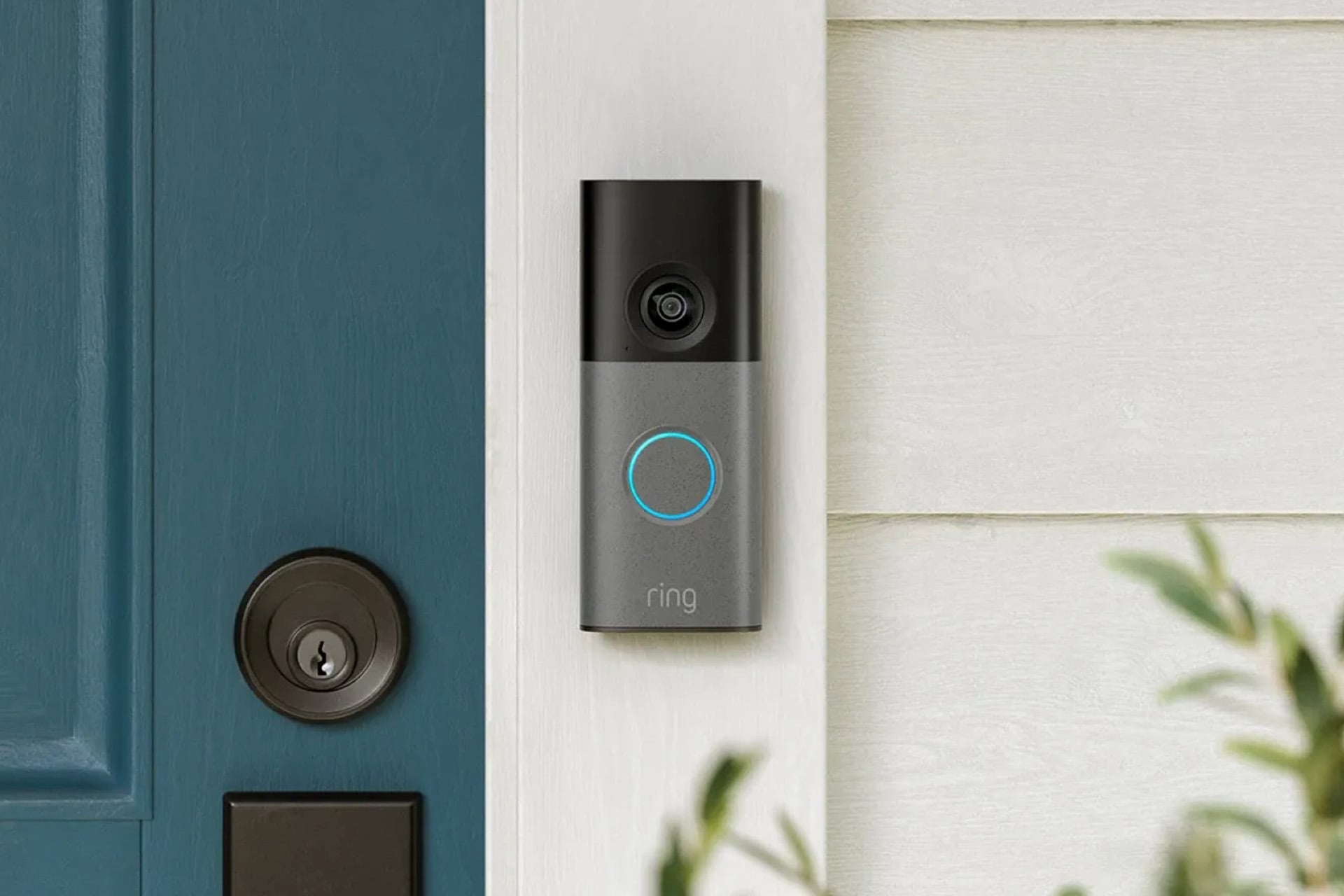
Amazon’s Ring has announced a slate of new Wi-Fi-connected video doorbells, including one option that the company says is battery-powered, yet still records video at 4K. The company also launched three 2K wired and battery doorbell cameras that start at $80 for the Wired Doorbell.
The 4K camera is called the Battery Doorbell Pro (2nd Gen), and the company says it “features Retinal 4K video and delivers up to 10x Enhanced Zoom.” “Retinal” is Ring’s marketing term for its video processing feature that attempts to clean up blurry or artifact-ridden recordings using AI. The Doorbell Pro will cost $250 and will work with solar panel accessories that Ring says will be available when it launches, and that also work with the battery-powered 2K cameras it’s releasing, the $100 Battery Doorbell (2nd Gen) and the $190 Battery Doorbell Plus (2nd Gen).
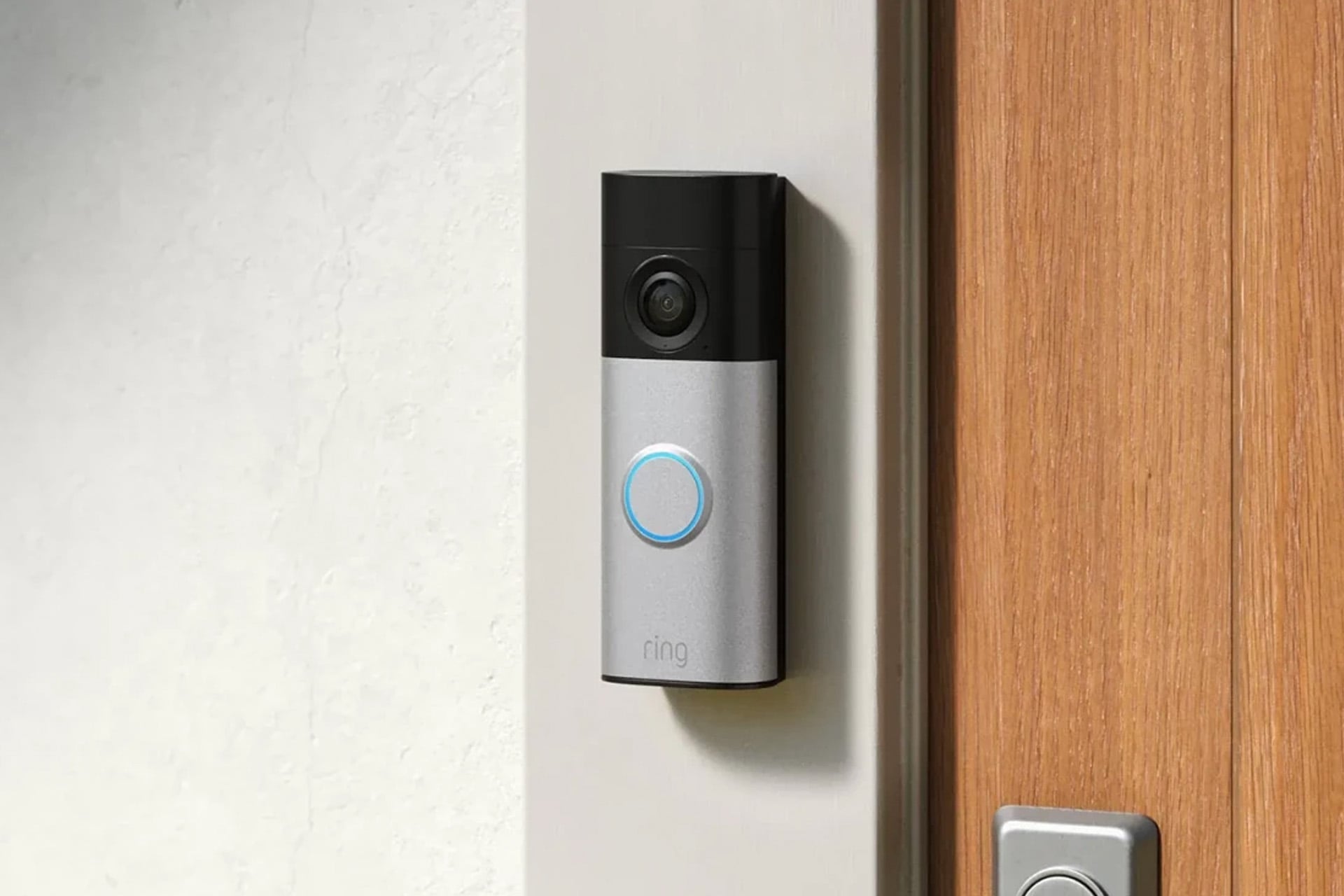
As for those other two cameras, Amazon says the Battery Doorbell will feature “up to 6x Enhanced Zoom in a streamlined, rechargeable design,” while the Plus model gets a Quick Release Battery Pack that you can pop out to recharge. All of the cameras offer a 140-degree horizontal and vertical field of view, and each is capable of night vision, though only the Pro and Plus models get color night vision. Each of the Battery options can also be wired using standard doorbell wiring.
Each camera comes with a trial of Ring AI Pro, a normally $19.99-per-month subscription service that offers descriptions and motion detection summaries in natural language, and lets you use keywords to search for videos, so you can go straight to footage of a package or whatever. The service also gives subscribers up to 180 days of video history, and includes things like package or vehicle detection. The cameras will be available on April 29, and they’re up for preorder on Ring’s website now.

Such services can be handy, but as I found in my review of the newest Google Nest Doorbell Cam, they can also have enough problems that it feels annoying to pay for them. To Ring’s credit, it still offers cheaper cloud recording plans for those who don’t want the AI features. Not to Ring’s credit, these new cameras don’t offer local storage on their own, nor do they feature broad smart home compatibility (via Matter or otherwise).
Also, buying Ring cameras has, at various times, meant holding your nose and accepting the company’s on-again, off-again partnerships that give authorities the ability to request videos from its vast customer-based surveillance network—requests that owners of the footage can approve or deny. Most recently, Ring partnered with Flock, a company known for its AI-powered network of license plate cameras, to allow police with Flock accounts to request footage from Ring cameras using its Community Requests program. According to a letter from Sen. Ron Wyden (D-Ore.) last year, Flock gave federal agencies access to that tool. His letter echoed similar findings from an earlier 404 Media report that local police had shared their access with ICE agents. Flock, a company whose straightforward devotion to government surveillance of the public has inspired camera-smashy tendencies in that very public, denies that it works with ICE “or any other sub-agency of the Department of Homeland Security.”
After calls for a boycott and a Ring Super Bowl ad for using its AI Search Party feature to find lost pets, Ring announced it had canceled the Flock partnership, citing unexpected difficulty integrating the two companies’ systems.
This article has been updated to clarify how police access to Ring camera footage works, as well as Ring’s former partnership with Flock and its reported relationship with government law enforcement.