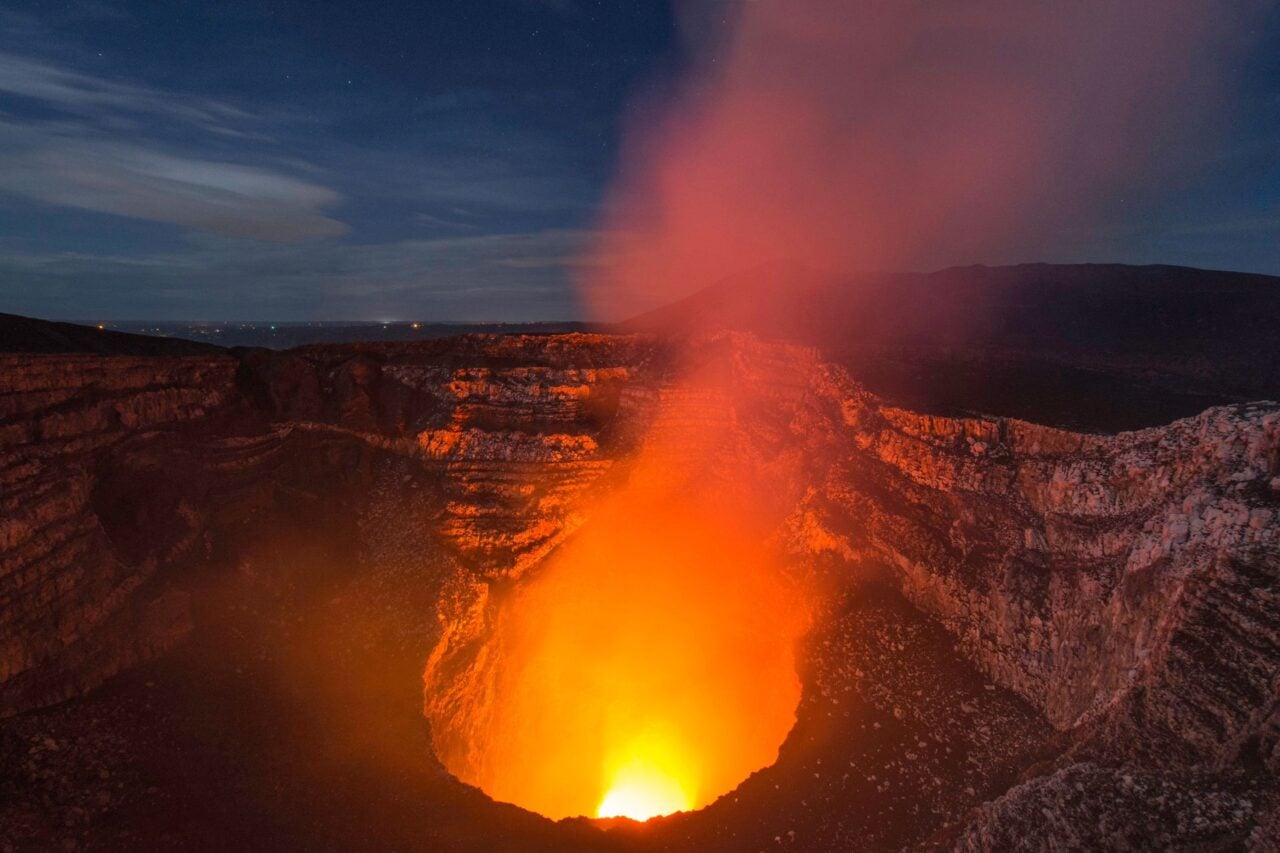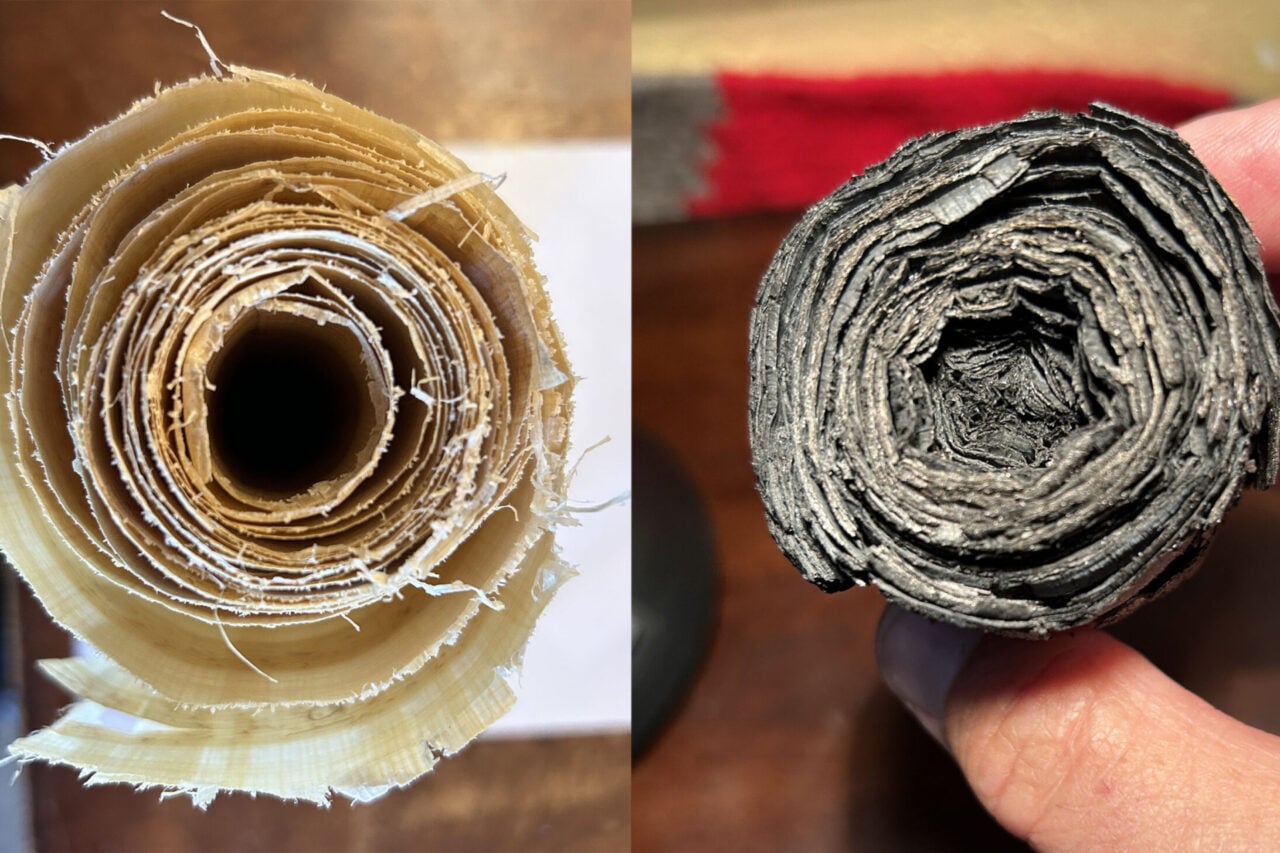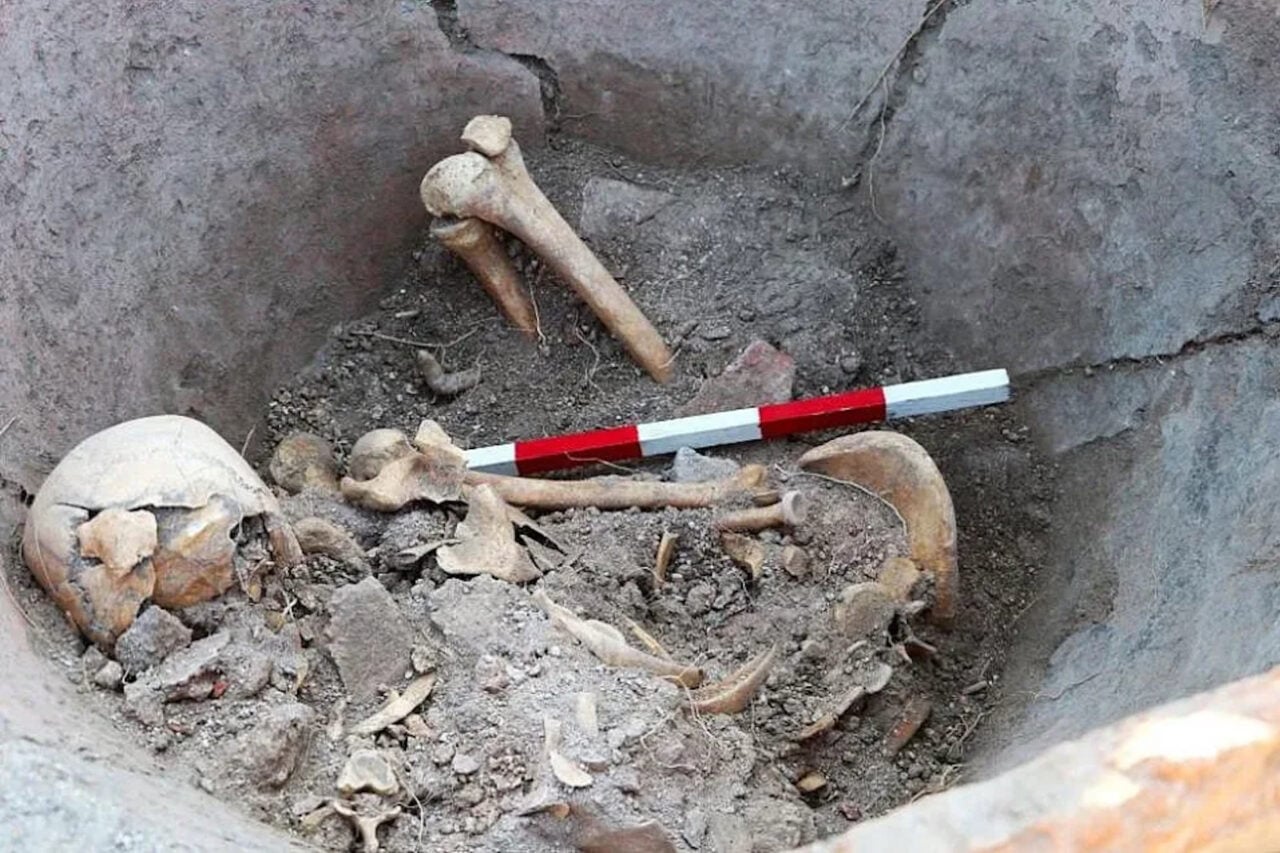
“Argon-argon dating” is a common technique scientists use to reveal when a geological event, such as a volcanic eruption, took place. The problem is that it’s difficult to apply to recent occurrences. To address this issue, a team of researchers looked to an ancient Roman writer for help.
In a study published Friday in Science Advances, scientists used argon-argon dating to date pumice samples from Mount Vesuvius’ eruption. They compared this age with the historical date—August 24th, 79 CE, according to Pliny the Younger, who witnessed the tragedy from a distance—which enabled them to fine-tune the calibration of the argon-argon technique. Their success in applying the argon-argon dating method to a relatively recent geological event opens the door to pinning down other recent volcanic eruptions, with implications for estimating future trouble.
“We wanted to see how precisely and accurately we could date something that’s very recent,” Paul Renne, lead author of the study and a researcher at the Berkeley Geochronology Center, told Gizmodo. “So part of this study was just to see if we could duplicate the historic age for the eruption of Vesuvius that buried Pompeii.” In geochronology, 79 CE is “like yesterday,” Renne explains.
Fine-tuning argon-argon dating
Not everyone agrees with Pliny’s date for Vesuvius’ eruption, however. For example, some historians theorize that a coin found at Pompeii could only have been produced in September of that year, meaning that the tragedy must have occurred later in the fall. Through comparison with other contemporary Roman coins, however, Caroline Hasler, another researcher at the Berkeley Geochronology Center and co-author of the study, determined that the coin was likely made before September. That, along with other research, reassured the team that August 24, 79 CE, was a reliable reference point.
Next came the argon-argon dating. Researchers know that the isotope (or version of an element) potassium-40 in minerals naturally transforms via radioactivity into the isotope argon-40 at a particular rate. In extremely hot magma chambers, the argon escapes these mineral crystals in the form of gas. But once the volcano erupts and the minerals are ejected and start to cool, the argon is trapped within the mineral and begins to accumulate. As such, researchers can use the accumulation of argon-40 to figure out when the eruption took place. That’s why it’s easier to date more ancient eruptions—there’s more argon accumulation to measure.
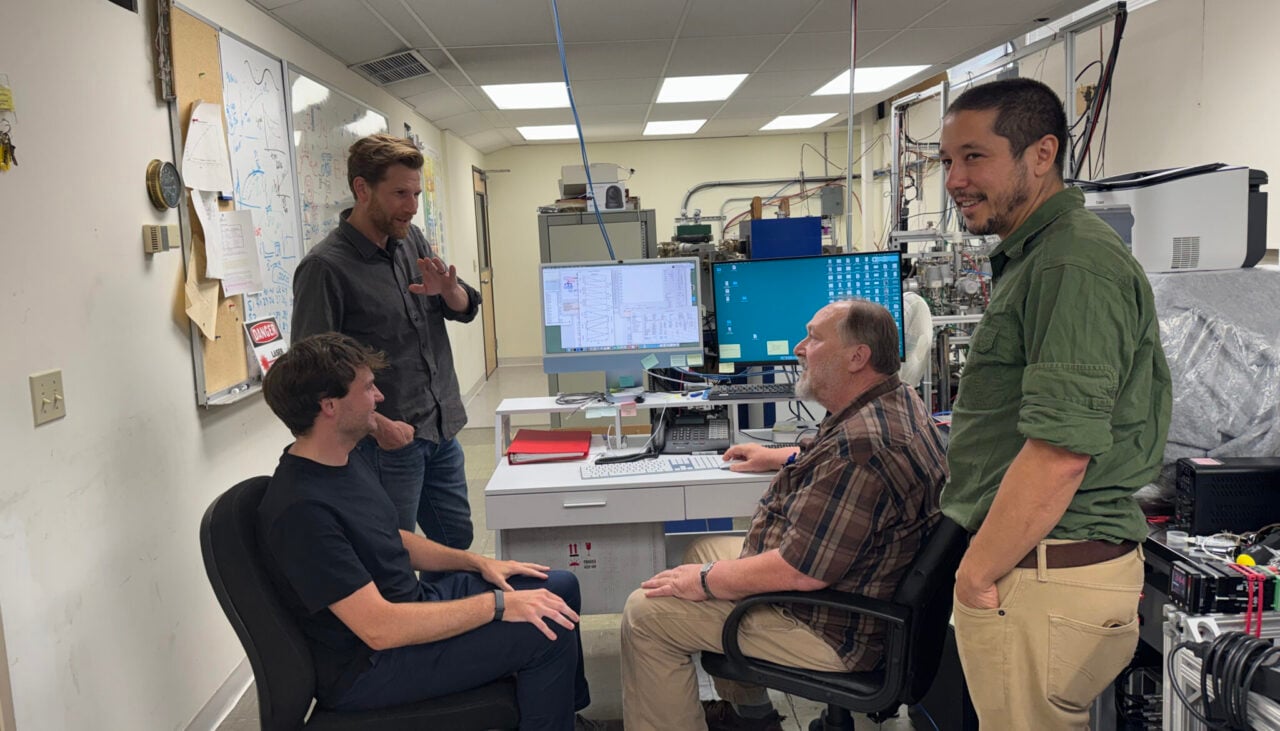
With Pliny the Younger’s date as a benchmark and eight samples of volcanic material from Vesuvius, the team was able to finetune the argon-argon dating technique to estimate that the volcano had erupted in 87 CE, plus or minus 13 years. In other words, the newly calibrated dating method can be used to date something as “recent” as the destruction of Pompeii “to within a decade, which is pretty good,” Renne highlighted. Their achievement also enabled the team to calculate more precisely the rate at which potassium-40 decays into argon-40.
Why dates are important
Reliable dating techniques are particularly important for scientists investigating the consequences of very old geological events. When searching for a link between two events—such as a volcanic eruption and a mass animal extinction—an exact chronological alignment is often the most direct evidence they can hope for.
Furthermore, by shedding light on the eruptive history of a volcano, scientists can better predict future ones and thus mitigate risks to surrounding populations. It can also help solve another geochronological issue. The field’s two gold-standard dating techniques are argon-argon dating and another similar method that looks at the transformation of uranium to lead. These two “rock clocks,” however, don’t yield the same age for the same event.
“I mean, it’s close, but we can do better,” Renne said. “We’ve intercalibrated those two systems pretty well, but there’s always room for better, and this particular piece of evidence now could be put into that technique.” Down the line, the study could even help align other dating methods, such as carbon-14 (used to date organic material). “It’s nice to have all of your different clocks giving you the same answer,” he concluded.