Chemistry is very strange. Depending on how it’s bonded, the same element can either be the most harmless thing in the world or the most toxic substance imaginable. In a similar sense, something like a “plastic cookie” sounds really bad—but technically speaking, with the right chemistry there’s a way to make it quite edible and tasty.
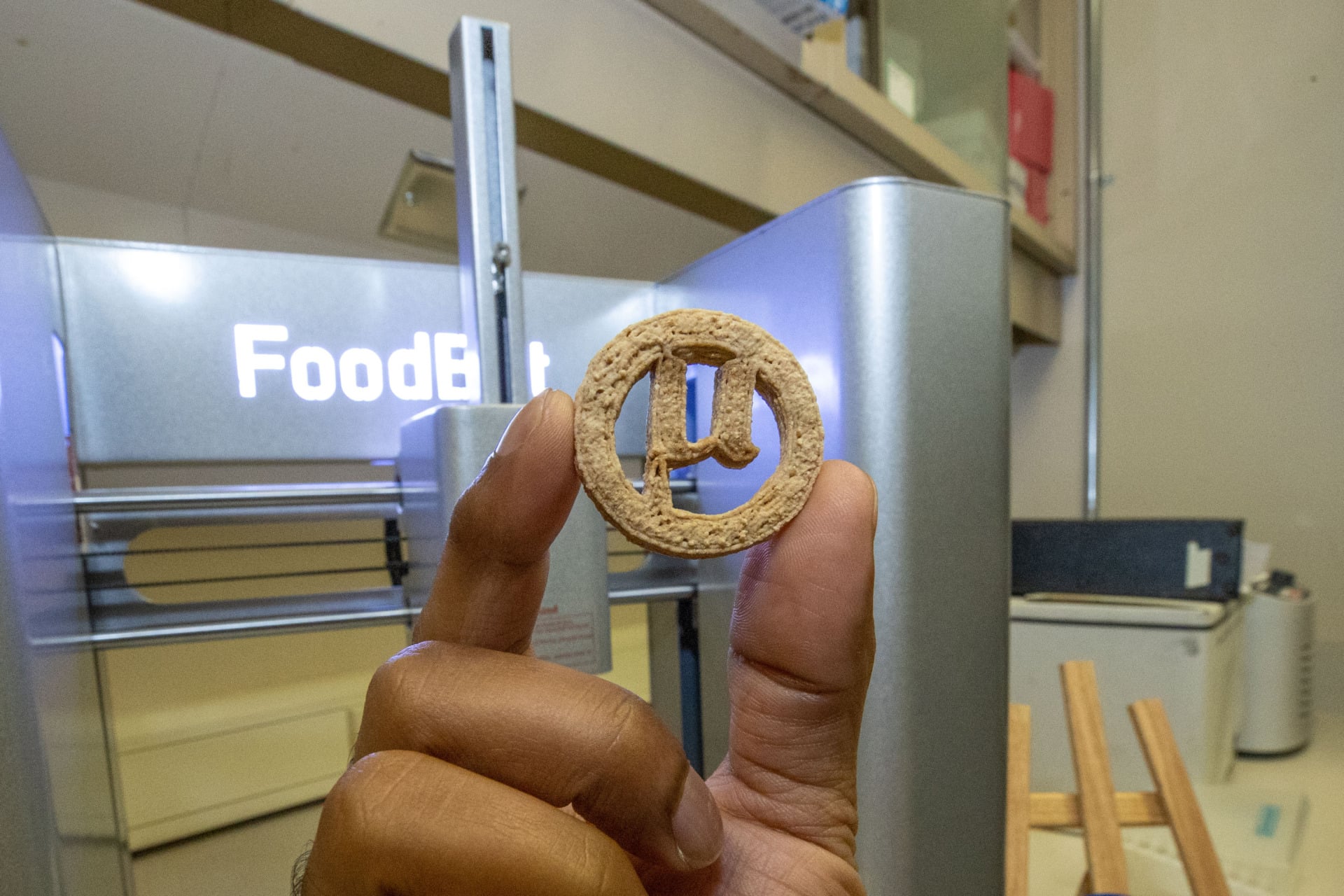
To prove this point, researchers at Southern Illinois University (SIU) Carbondale created a cookie using polyethylene terephthalate, or PET—the stuff that goes into soda and water bottles. PET reportedly contains a lot of molecules with carbon that can be engineered into proteins, a task for which the team recruited microbes and yeasts instead of other chemical solvents. This cookie, dubbed “µBites,” could be a viable food supply for disaster zones or deep-space missions where natural food supplies are limited or absent entirely.
The team will present its findings today at the American Chemical Society’s annual meeting.
“Microbes are very clever,” Lahiru Jayakody, a biochemist at SIU Carbondale, said in a statement. “So, we are using their traits to solve the problems we created.”
A thin line
Again, chemistry is strange, but as Jayakody explains: “plastic is carbon and food is carbon.”
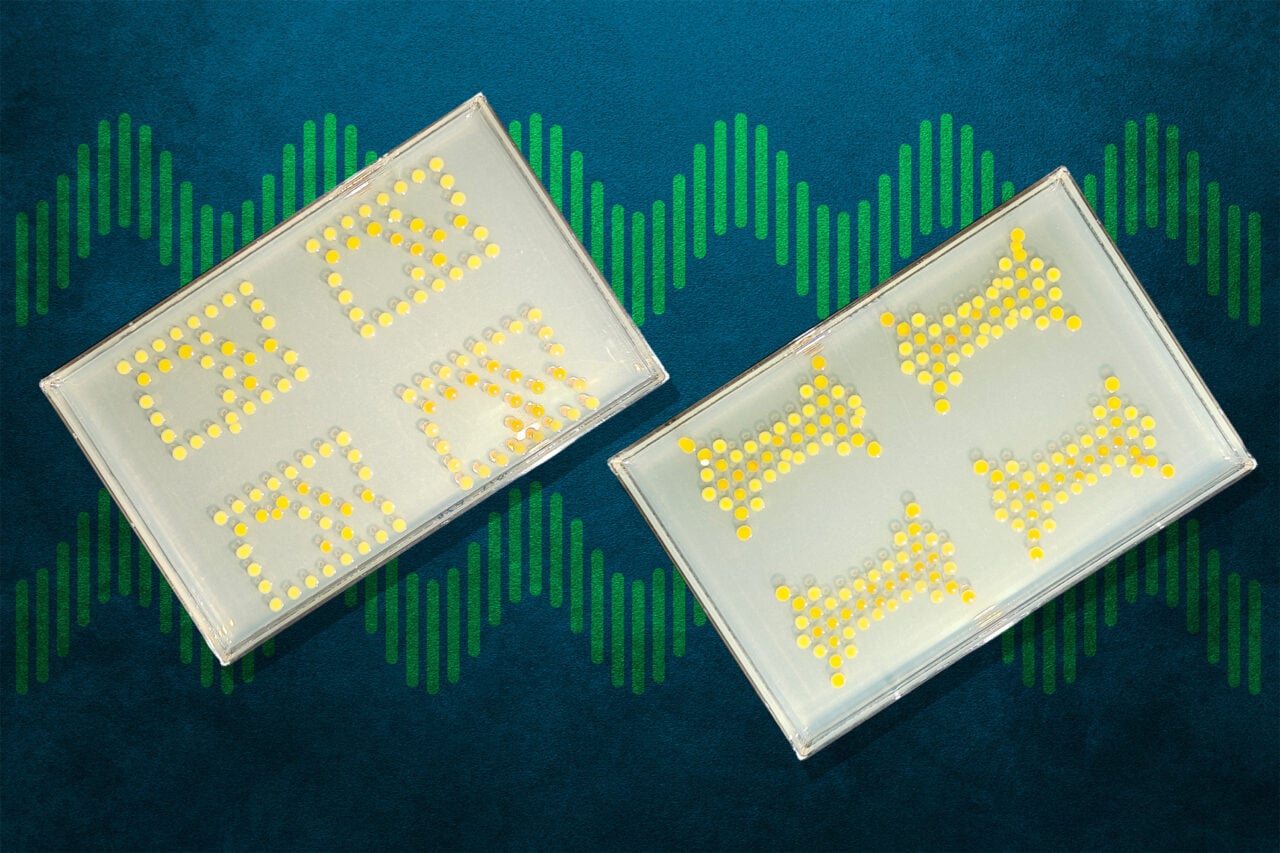
To create µBites, the team first explored a variety of options to break down PET into molecules that would be easier to manipulate. First, the researchers mixed PET with biomass like corn stalks and leaves, using hot, high-pressure water and oxygen to break down the mixture into pieces small enough for microbes to feast on.
Then, the researchers released yeasts that they specially programmed to convert plastic into the desired molecules, including proteins, vitamins, and flavorings. Once that’s done, the team added fiber, starch, and sweetener and used a 3D printer to produce cookie-like shapes with the dough.
Centennial challenges
µBites began as part of the Deep Space Food Challenge, also part of NASA’s Centennial Challenges program, which seeks public assistance in solving major problems humanity faces in the near future. The Deep Space Food Challenge in particular asked researchers to come up with innovative ways to address food production in desolate environments.
µBites didn’t end up winning the Deep Space Food Challenge, but the experience did provide the team with the initiative to really push for fully sustainable approaches to making its cookie. Data-wise, the team explained, µBites is safe for consumption but that it was still waiting for institutional approval for taste tests.
Coming soon near you?
While useful for combating food scarcity, the researchers don’t want to limit µBites to catastrophic or resource-limited situations. For the latest iteration of the cookie, the team created yeasts capable of turning plant biomass into vanilla flavoring and another that converts PET components into beta-carotene, a rich source of vitamin A.
But there’s still a long way to go before we can pick up a bag of µBites at your local store. Jayakody admitted to the Guardian that it wouldn’t be easy to convince the public to accept plastic-derived food. The cookies also currently cost about $60 per 2.2 pounds (1 kilogram) to produce, so there’s more work to be done on that front. Still, the team remains hopeful.
“Global food demand is expected to rise 35–56% by the year 2050, and about 30% of the world population will be at risk of hunger in the future,” Jayakody said. “The way to address that, I believe, is by using microbes.”