When cleaning up animal skeletons for museum display, curators have several options. They could use chemicals or enzymes to dissolve the leftover flesh or release a colony of dermestid beetles to eat it up. But a new study offers a solution that’s less expensive and risky.
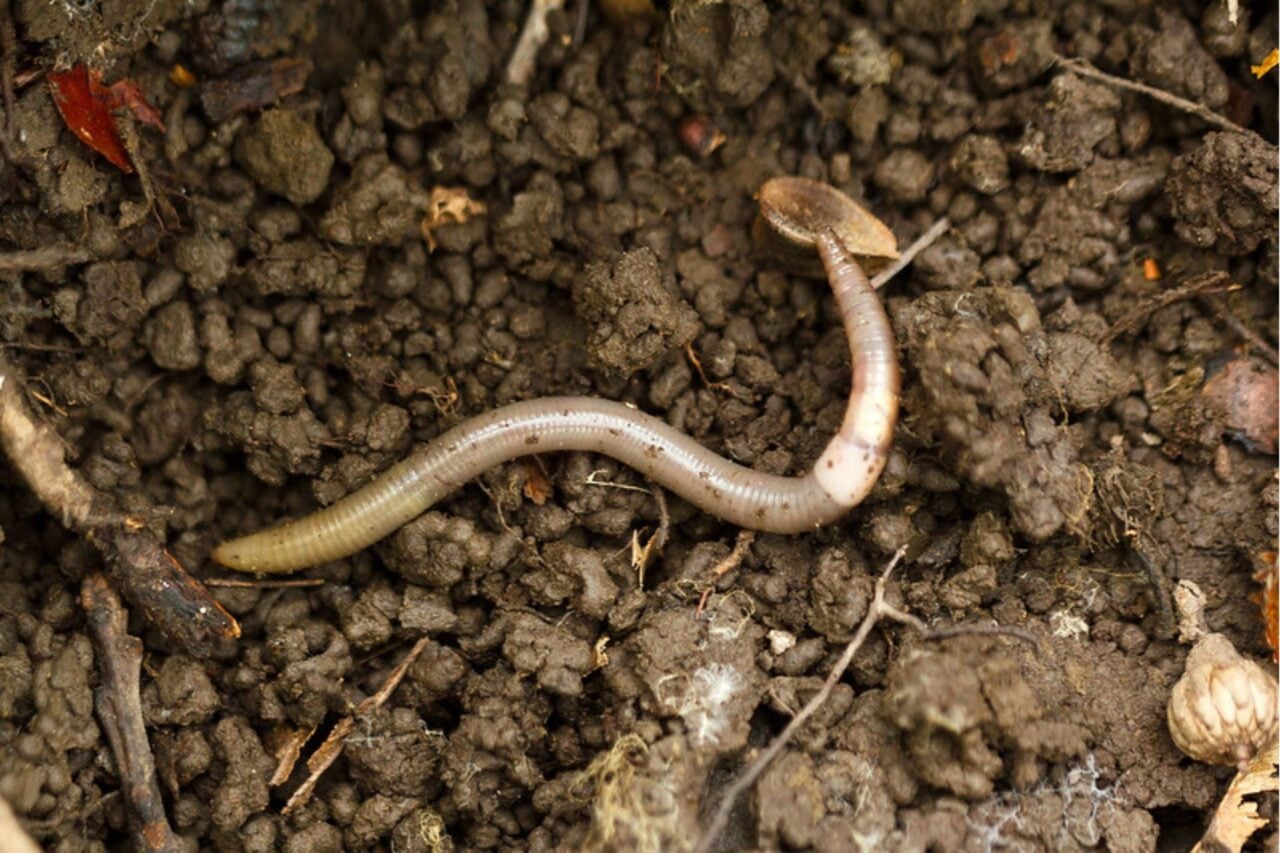
Researchers based in Iran and Germany tested superworms—beetle larvae commonly used as pet food—as all-natural cleaners of skeletons. The results, published yesterday in PLOS One, report that the tiny worms efficiently removed leftover flesh from animal skeletons, ranging from small Egyptian bats to a large wolf. All the team had to do was introduce a varied number of superworms to enclosed spaces with the skeleton, and it took between hours and days for the bugs to do their job with shockingly little damage to the skeletons.
“Superworms are really fast compared to other traditional methods, they are more environmentally friendly, and their maintenance is super easy,” Niloofar Alaei Kakhki, the study’s co-author and a bioinformatician at the State Museum of Natural History Stuttgart in Germany, told Science.
An art of trade-offs
According to the study, skeletal specimens are “essential” in museum collections and serve educational and academic purposes for experts and the public alike. However, preparing these specimens for display can be a grueling task. While examining and cleaning the bones, researchers must be mindful of preserving complex anatomical features, both before and after the specimen goes on display.
On that note, ineffective cleaning techniques can “cause irreversible damage, diminishing both the scientific value and the utility for public display,” the authors noted in the paper. Traditionally, researchers have used enzymes or chemical treatment, but this approach is expensive and potentially damaging for more fragile bones, they added.
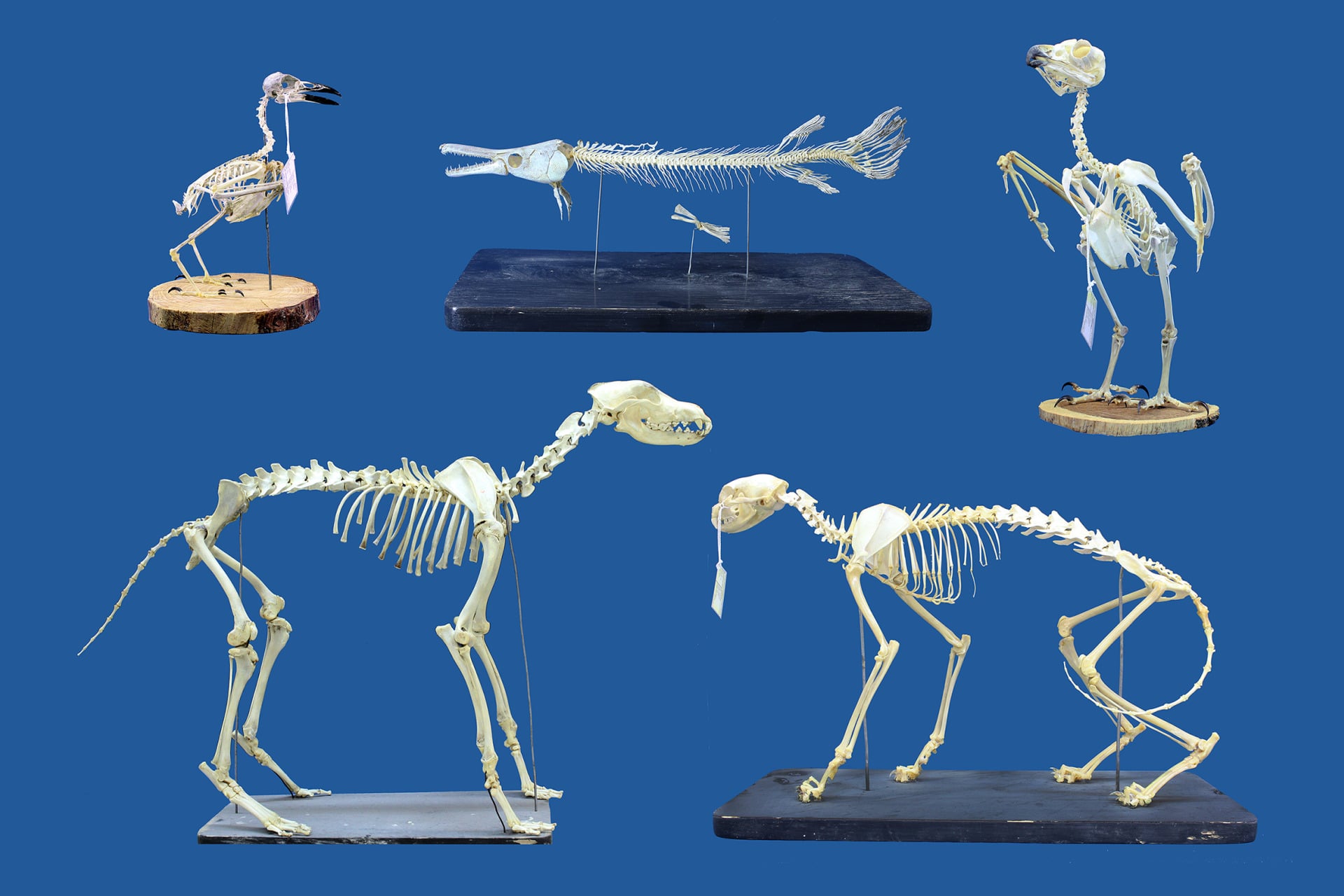
As a result, in more recent years, leading museums, such as the Natural History Museum in the U.K. or the Smithsonian’s National Museum of Natural History, have opted for biological cleaning with dermestid beetles. In many ways, beetles offered several advantages over chemical solutions, but they had their own issues as well. Namely, beetles could escape or leave behind undetected eggs, “all of which could threaten museum collections,” the researchers wrote.
Searching the great insect world
The team behind the latest study wondered if another insect species would be better suited for the job. After all, there are more insect species out there than we can count. The researchers decided on superworms (Zophobas morio), the larval form of dark beetles, for two reasons. First, superworms don’t pupate under crowded conditions, so they won’t infest valuable specimens. Second, they’re commonly used as animal feed, meaning they’re cheap and accessible.
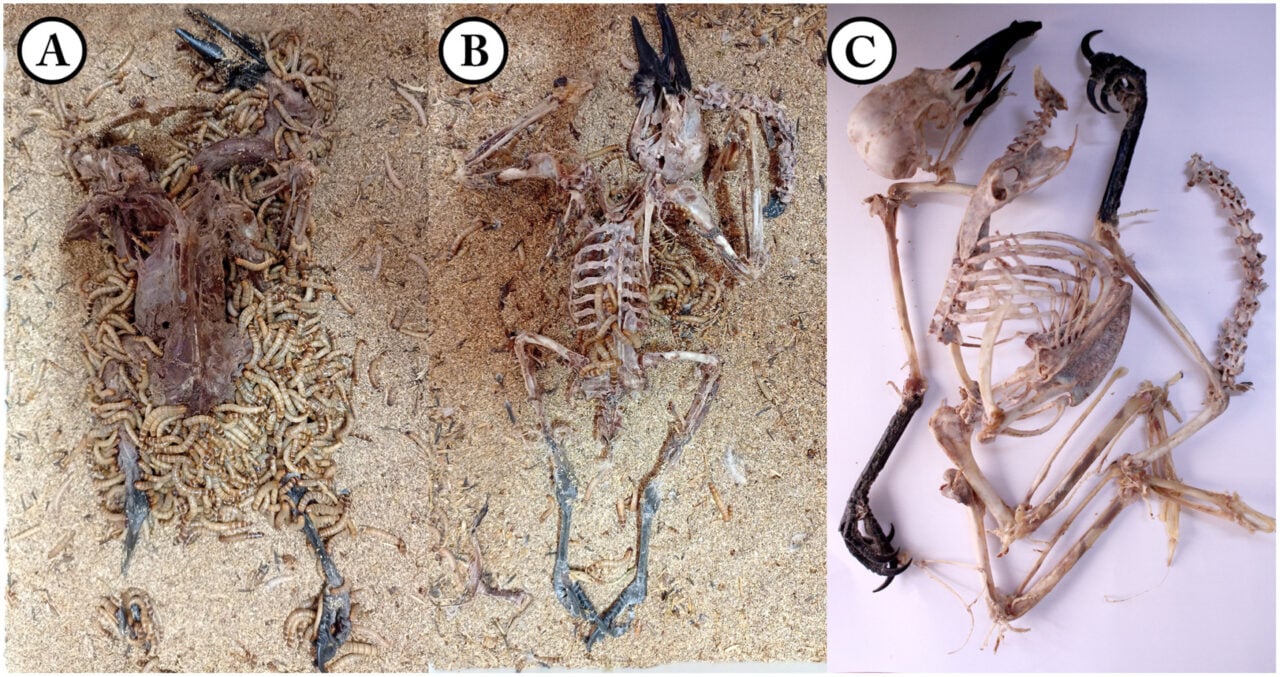
As for superworms’ cleaning abilities, the team’s hunch was spot on. To be clear, at a certain point the worms did damage more fragile bones, but by testing different worm populations with different animal sizes, the team was able to find an ideal ratio for superworm cleaning services. According to the paper, this is about 0.35 to 0.53 ounces (10 to 15 grams) of superworms for every 0.035 ounce (1 gram) of carcass.
“Unlike traditional chemical methods or dermestid beetle colonies, this approach preserves delicate bones, is environmentally friendly, safer for museum collections by minimizing the risk of pest infestation and makes colony maintenance much easier for museums,” the team noted in a press release.