New troves of fish bones in eastern Beringia point to the early origins of freshwater fishing among some of the earliest North Americans.
A "master list" of supposedly dangerous media files used to justify Uyghur detention included Quran readings and wedding songs.
Polio, measles, and cholera isolates are sitting in a laboratory facility without electricity where armed forces have "kicked out all of the technicians."
“Indigenous rights, human rights, must go hand-in-hand with climate protection and climate action,” Thunberg said.
The Kremlin claims Wikipedia is promoting misinformation about the Ukraine invasion and has fined the company two million rubles.
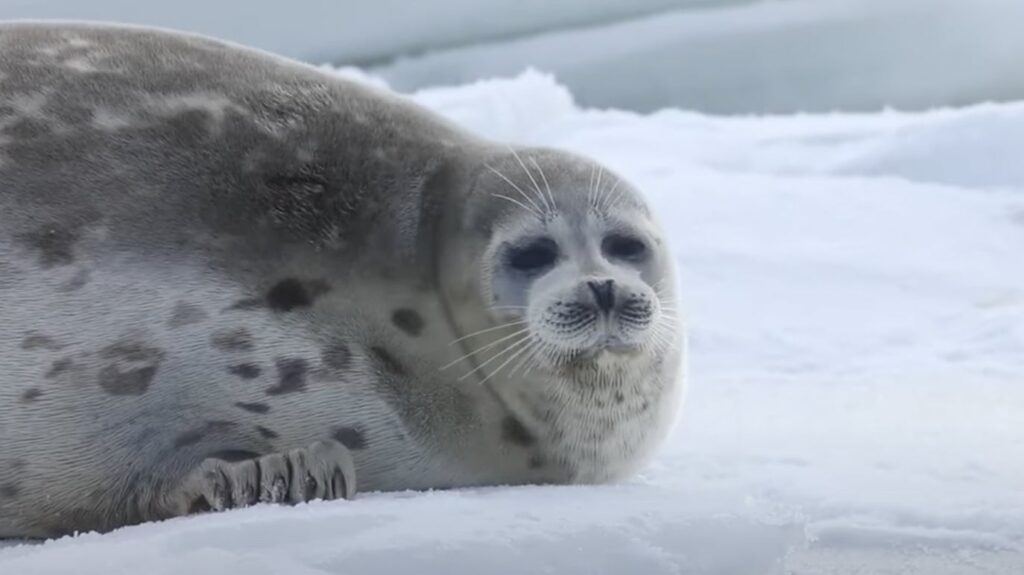
Scientists are alarmed by the recent deaths of some 2,500 endangered Caspian seals.
Officials said the fires caused "irreparable" damage to the UNESCO World Heritage Site.
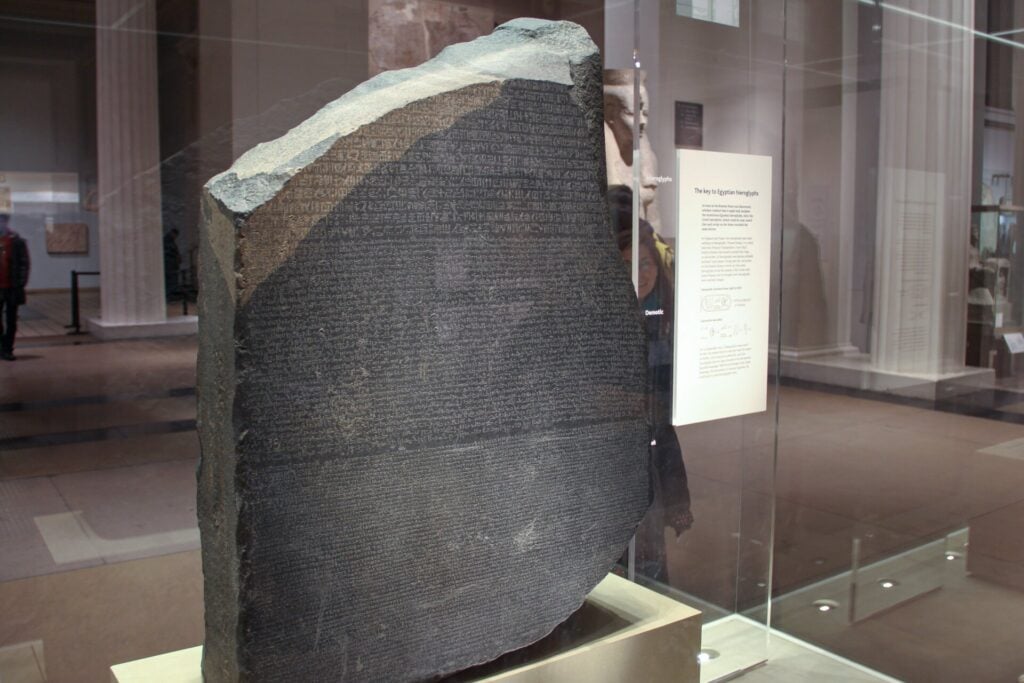
A group of archeologists has banded together to demand the return of the ancient slab.
Burmese model and ex-doctor Nange Mwe San was sentenced to six years in jail by a military tribunal after being targeted for attending anti-government protests.
Scientists aboard the E/V Nautilus saw a natural feature at the bottom of the Pacific Ocean that looks eerily like a brick road.
"Seeing more and more of these warm air events in the Arctic, in the winter, is definitely eye-opening as a climate scientist.”
Warmer weather has made the frigid continent more hospitable to two flowering plants, which are now proliferating.
Nearly 100 species were found living in extreme cold and total darkness beneath the ice in one of the world's "least-known" habitats.
The suit alleges that the company blatantly ignored warnings about the platform's problems in the region for five years—and by then, it was too late.
Amazon has a giant compendium of people, places, and things to help you sort everything from Aes Sedai to Whitecloaks.
Amphipods may not have the same big-name appeal as seals and penguins, but they're key members of the Antarctic ecosystem. Let us honor them.
The chance discovery is the most complete of its kind.
The Tarim Basin mummies are immaculately preserved, well-dressed, and buried in boats. Now scientists have analyzed their genetics.
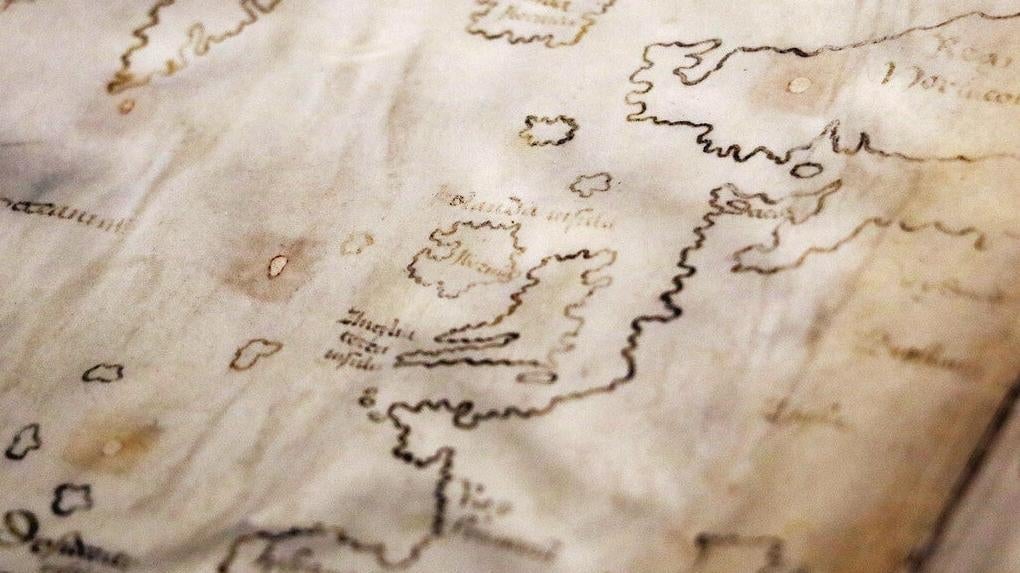
Revealed in 1965, the map was taken as further proof that Vikings reached the Americas before Columbus.
The Red Rocks Amphitheatre in Denver will use the new tech for ticketed events.