The galaxy is unusually dim and appears to be held together by invisible mass—dark matter.
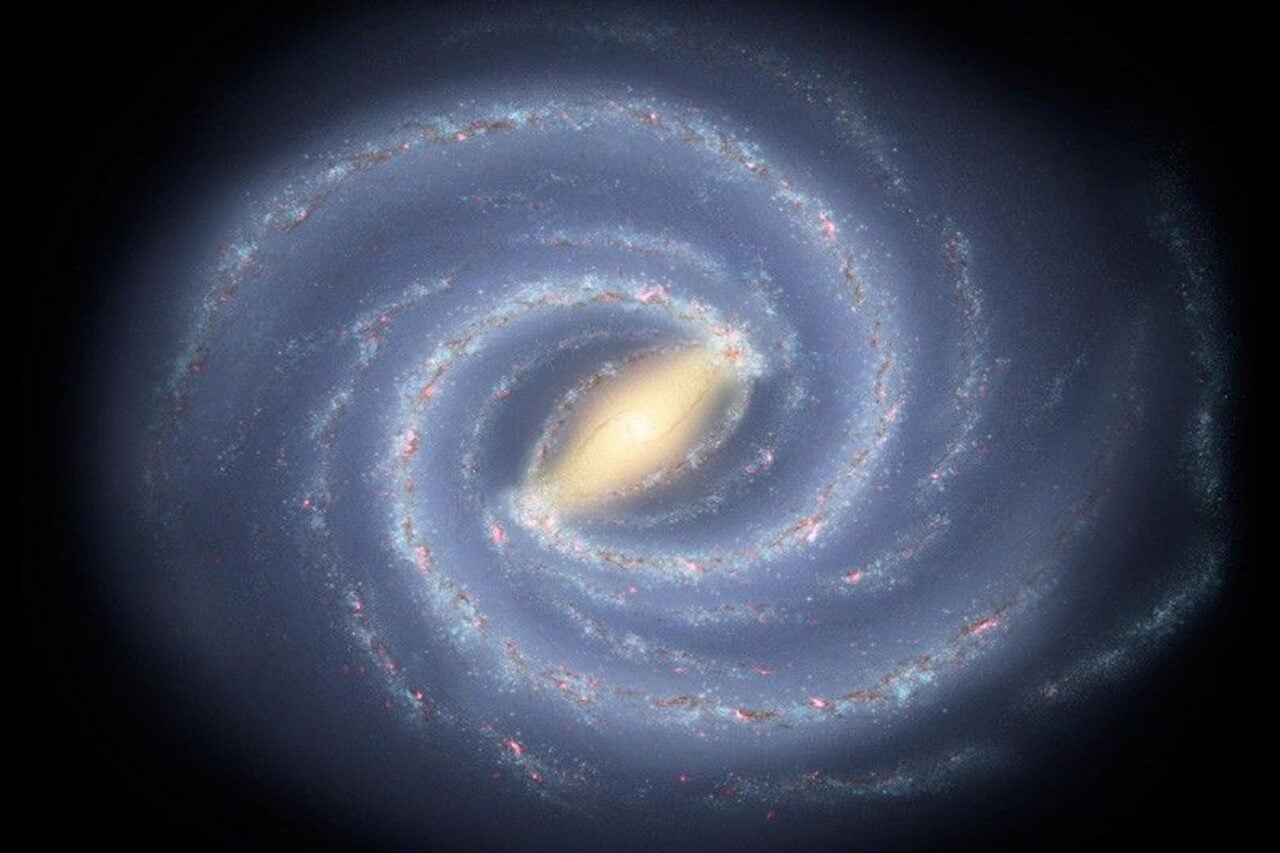
A new study finds that our star system is moving more than three times faster than previous models predicted.
“Well, that’s not supposed to happen.”
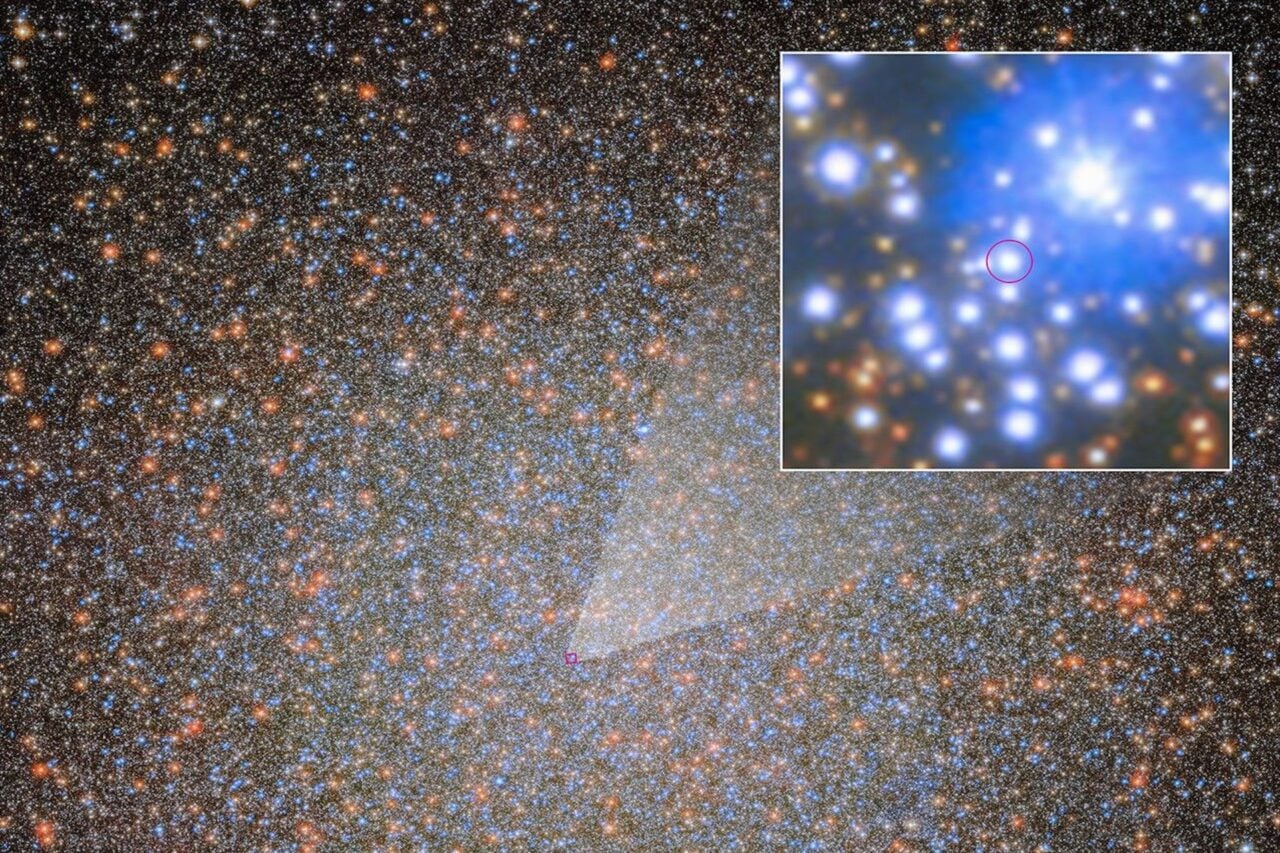
Earendel may not just be a single star, but a whole group of them.
Researchers may have found our galaxy's missing companions, further bolstering science's most widely accepted cosmological model.
The closest galactic relative to the Milky Way helped astronomers discover dark matter in the 1960's.
The galactic masterpiece combines over 100 exposures to reveal previously unseen features of stars in formation.
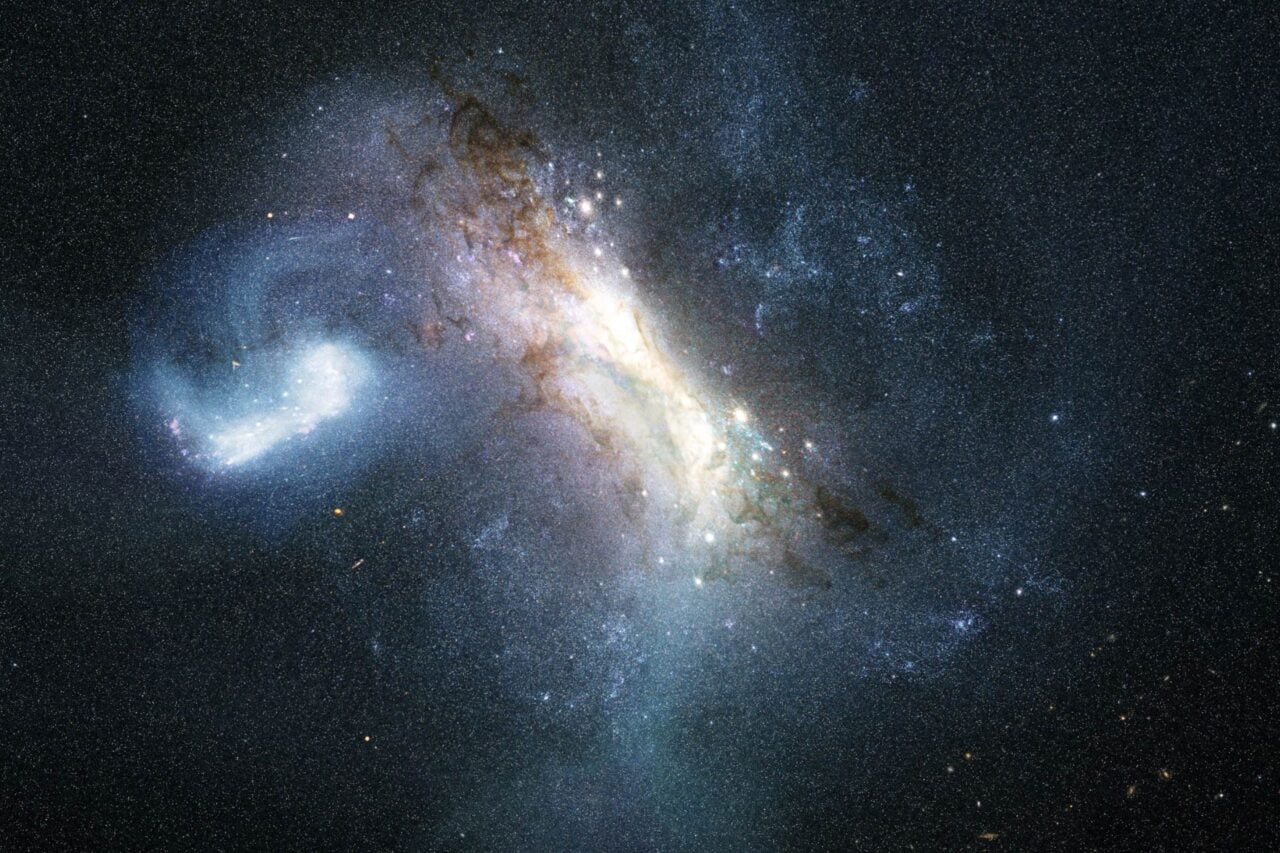
The unusual astronomical skirmish offers new insight into the dynamics of such collisions.
A recent paper reveals we're almost certainly going to collide with a galaxy in the next couple billion years, but it's not the one we thought.
The record-breaking galaxy is revealing secrets about the first stars and their unexpected chemical fingerprints.
Astronomers caught a brutal act of cosmic violence for the first time—one galaxy piercing another with deadly radiation.
The jig is up for this supermassive cosmic predator.
The fast-moving gas cloud could help explain the so-called missing satellite problem, if the object is what scientists think it is.
The Webb Space Telescope captured a chance alignment of a protostellar outflow and a spiral galaxy in a dazzling example of the cosmos' weirdness.
Astronomers using the Webb Space Telescope spotted the gigantic—and growing—primordial galaxy.
The mission’s first large set of survey data is a treasure trove for clues about the history of the universe.
A new study lends credence to the radical idea that our universe sits within a black hole.
The fully formed galaxy is remarkably teeny, raising new questions about how galaxies emerge and evolve.
NASA's flagship space telescope captured flares from the disk of superheated material around the black hole, revealing the dynamic—and explosive—physics at our galaxy's core.
New data reveals a 3-million-light-year filament connecting two galaxies, each of which hosts a supermassive black hole.