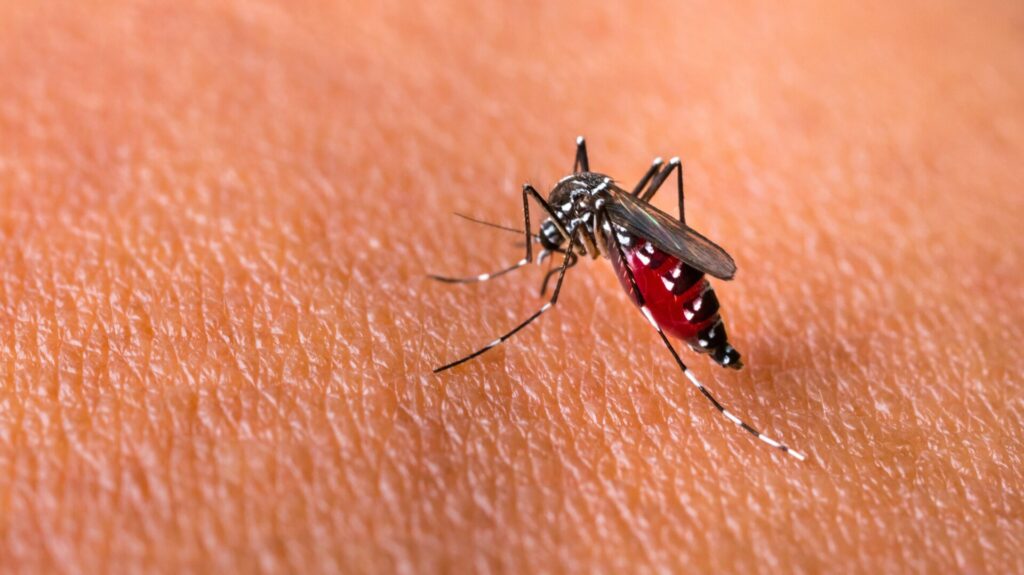








The mutations found in these mosquitoes could pose an "unprecedentedly serious threat" if they spread further, scientists warn.
Doctors at the Bristol Heart Institute are developing stem cell-based patches that could better repair heart defects in infants.
In patients with advanced melanoma, the vaccine along with immunotherapy reduced the risk of cancer recurrence and death by 44%, the companies said.
There have been at least 15 suspected children's deaths linked to the common bacterial infection since September, with the latest reported Friday.
The nose may be less able to fight off respiratory viruses when it's cold out, researchers have found.
New research appears to be the first to study the brains of migraine sufferers using ultra-high-resolution MRI, which could provide clues about why they happen.
In trials, Tzield delayed the onset of stage 3 type 1 diabetes by more than two years on average.
Dengue has been found in native mosquitos and at least one human, suggesting that it could be spreading locally in the state for the first known time.
Scientists in Atlanta took real-time measurements of pollen counts during a week in late March 2021.
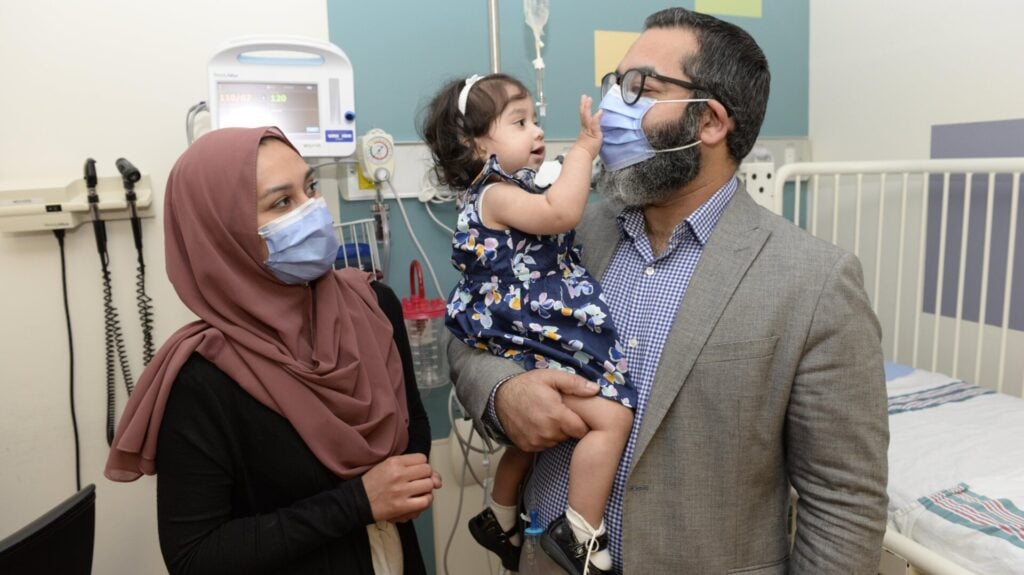
Ayla's two older siblings died of the disorder. Doctors gave her a novel treatment while she was still in the womb, and today she is a thriving toddler.
The pleasure-giving organ might have many more nerve endings than we thought.
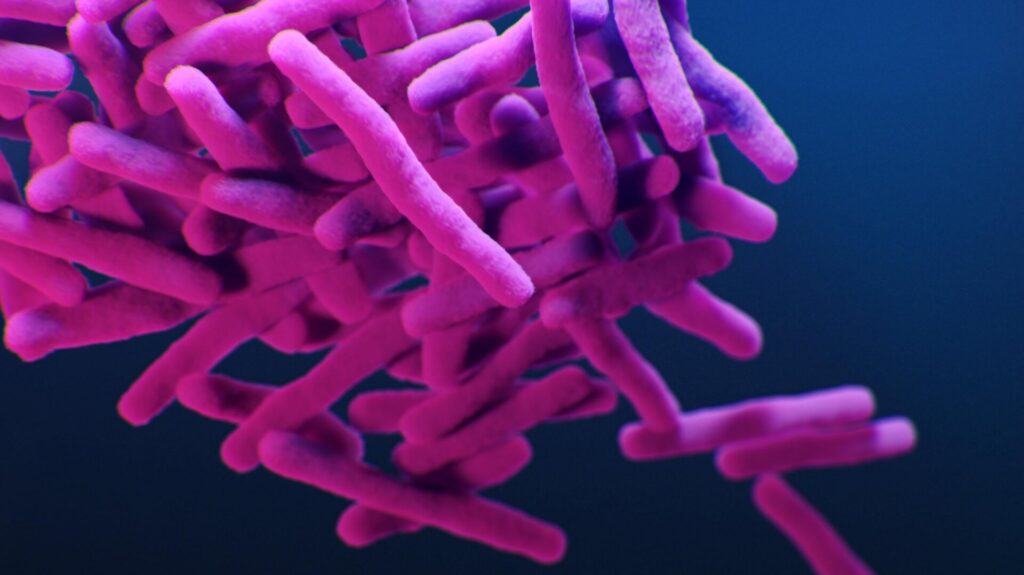
There were an estimated 10.6 million cases and 1.6 million deaths caused by tuberculosis last year, a WHO report has found.
A genetic mutation that emerged centuries ago is still causing illness today, according to new research.
Torontonian stoners age 19 years or older can begin purchasing cannabis via Uber Eats today.
Fewer than 1,000 people in the U.S. are estimated to suffer from postorgasmic illness syndrome.
Researchers have found that thiazolidinediones, or TZDs are linked to a lower risk of dementia compared to other popular diabetes drugs.
In a 10-year trial, people offered a colonoscopy were not less likely to die from colon cancer.
A new analysis from the Commonwealth Fund predicts that even a modest booster campaign would save tens of thousands of lives and billions in medical costs.
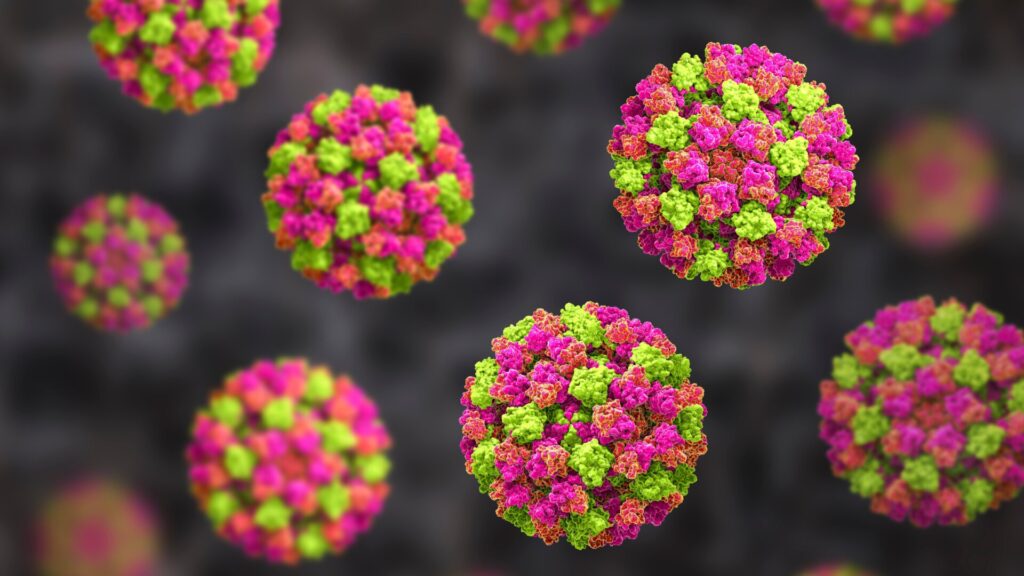
In experiments with mice and human cells, scientists found evidence that norovirus infection can trigger Crohn's in people genetically vulnerable to it.
As of 2021, 19 states and territories have at least 35% of their residents living with obesity—more than double the number in 2018.