The 230-foot antenna dish, located in Crimea, was among the largest in the world.
Scientists even figured out where it came from, thanks to a new telescope array.
If intelligent life exists beyond Earth, these beings may already know where we live.
Using multiple wavelengths and some atmospheric jiu-jitsu, astronomers are changing how we see the universe.
Astronomers caught a brutal act of cosmic violence for the first time—one galaxy piercing another with deadly radiation.
The fast-moving gas cloud could help explain the so-called missing satellite problem, if the object is what scientists think it is.
The Dwingeloo telescope, designed to observe signals at low frequencies, detected the farthest human spacecraft when it went dark earlier this year.
An investigation by the National Academies of Sciences, Engineering, and Medicine found Hurricane Maria worsened a slow decay of the Arecibo Observatory's support cables.
The highest-resolution ground-based observations by the Event Horizon Telescope is paving the way for the future of black hole astronomy.
The findings could clarify the origins of the enigmatic and brilliant emissions that often come from the deep recesses of space.
The unprecedented signal likely comes from a set of merging galaxies eight billion light-years away.
Four institutions will become stewards of the observatory as it becomes an education center.
An apparent magnetized neutron star is exhibiting a remarkably long period, emitting radio waves once every 22 minutes.
Pulses from over 100 rapidly spinning neutron stars were timed to spot a phenomenon theorized by Einstein.
Whatever replaces the destroyed radio telescope will likely be smaller than the original, but a group of astronomers is arguing that its size won't matter.
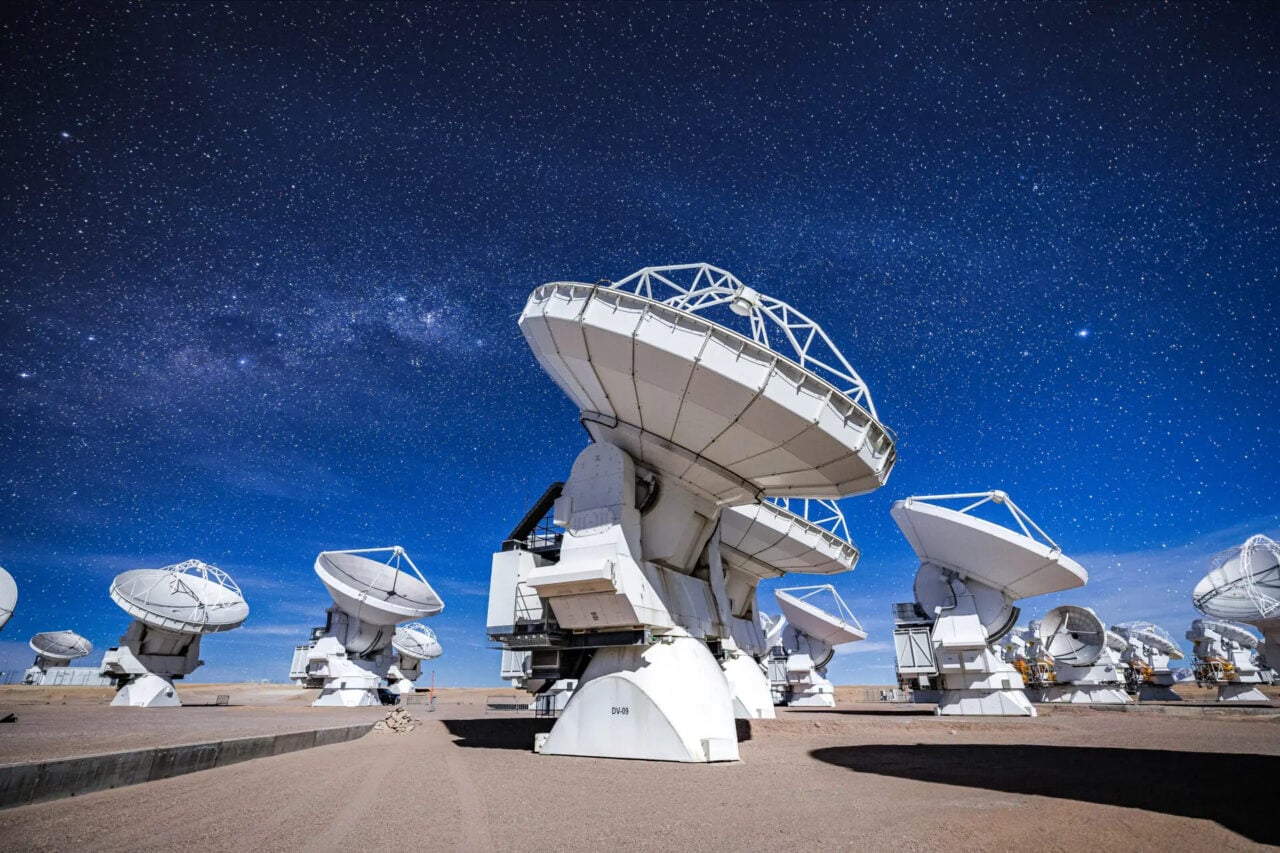
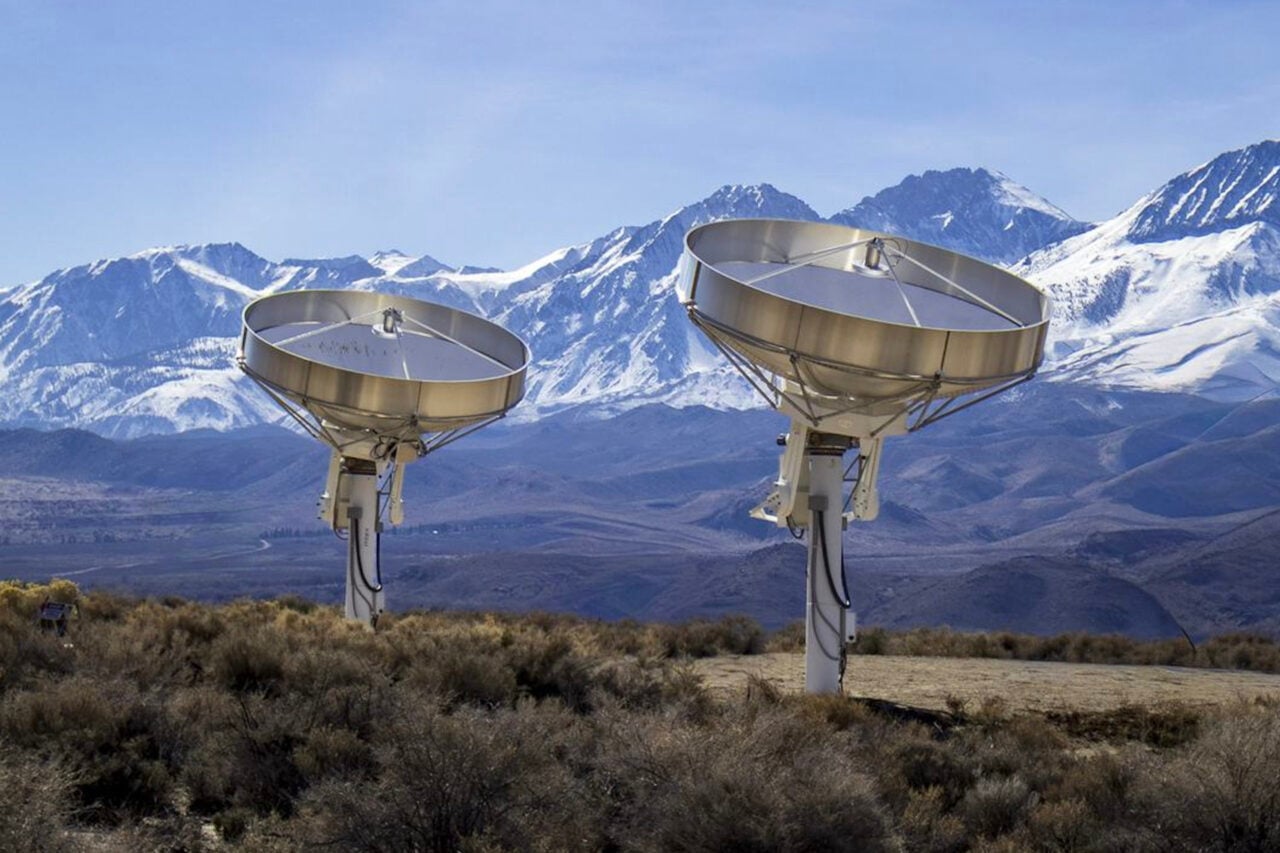
The 27 radio antennae will look for technosignatures emitted by intelligent civilizations.
NASA and the Department of Energy are collaborating on the ambitious lunar experiment, called LuSEE-Night.
The intercontinental Square Kilometer Array will comprise thousands of dishes to image vast swathes of the sky.
The damaged astronomy site faces an uncertain future.
The famous radio telescope dramatically crumbled in December 2020, and now we know what comes next.