If true, it would address several mysteries surrounding our solar system's most decorative planet.
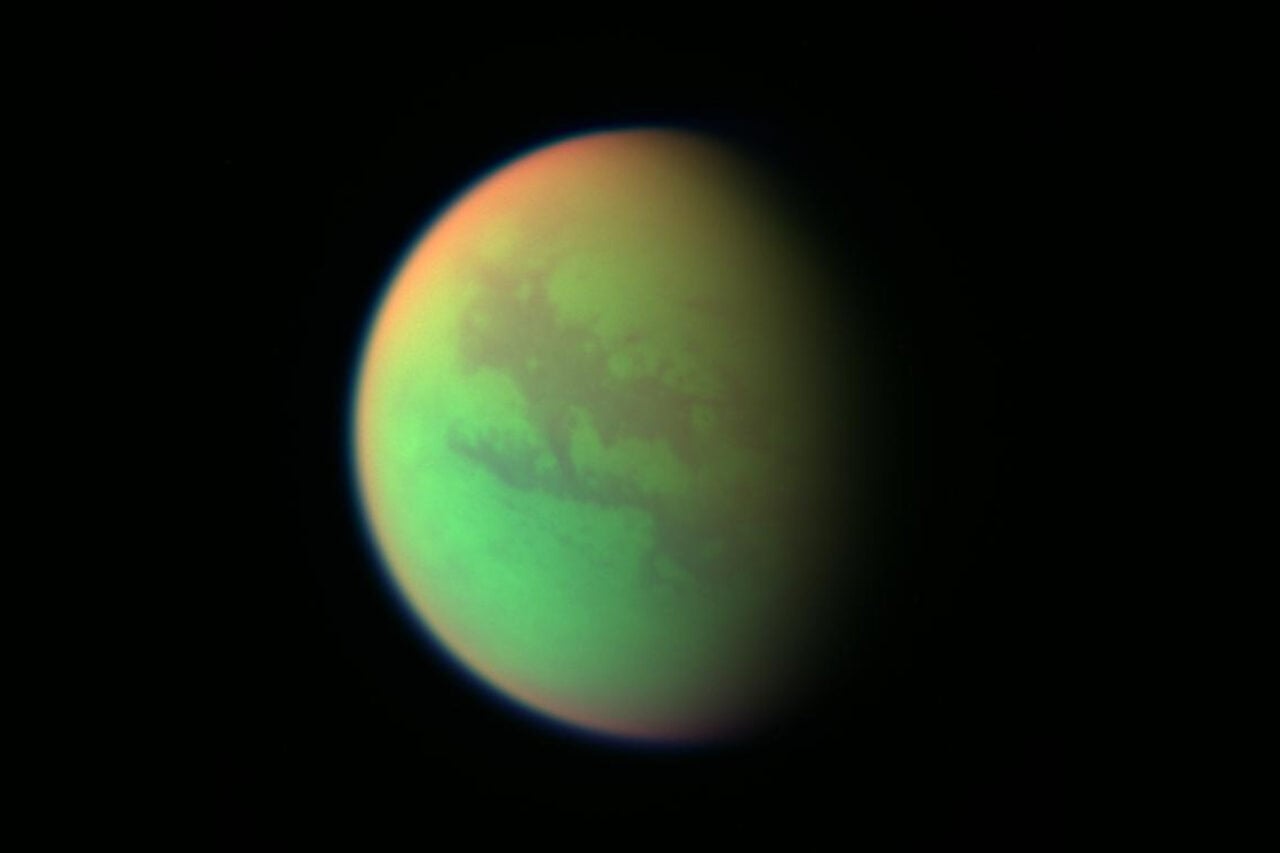
For more than a decade, scientists have accepted that Titan, Saturn’s biggest moon, has a subsurface ocean of liquid water. A new look at the data suggests otherwise.
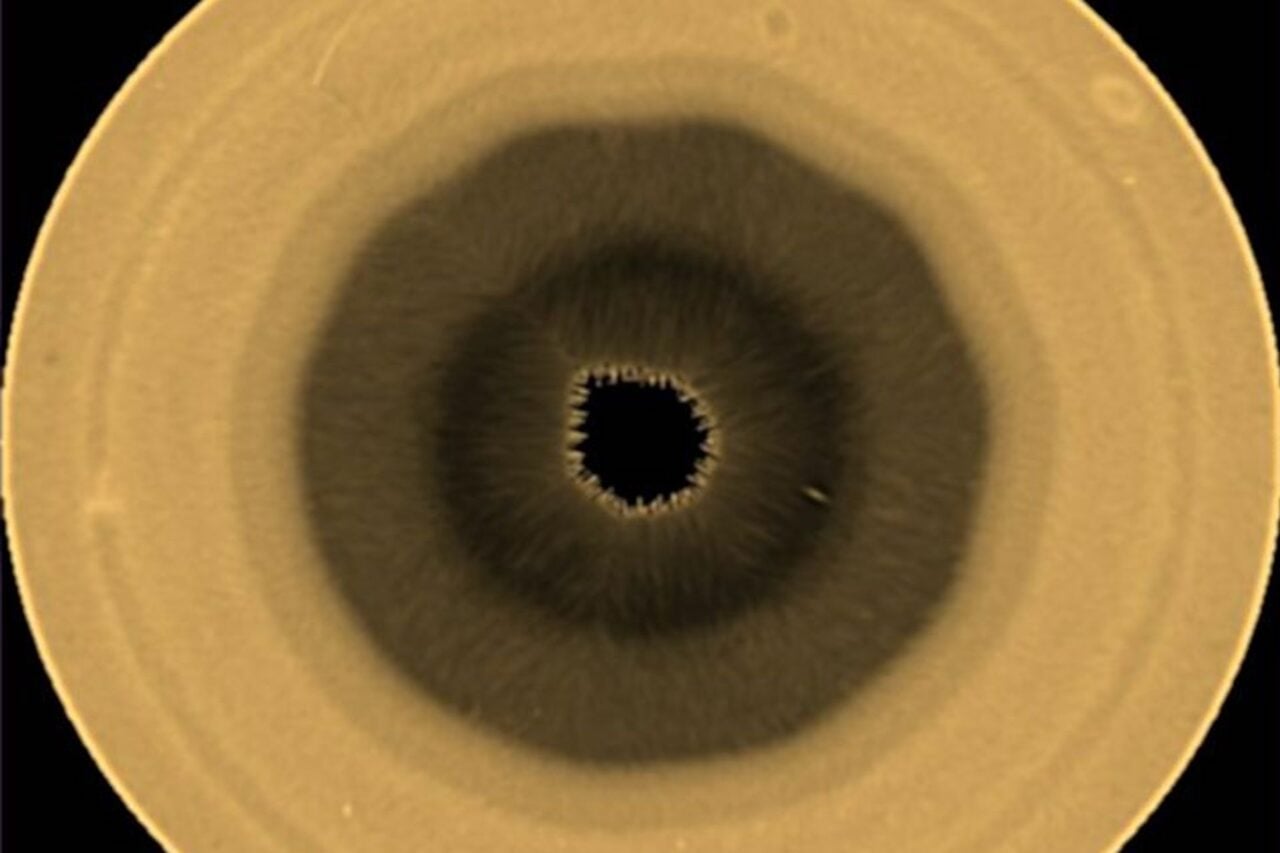
A rare alignment between Earth and Saturn will make the gas giant’s rings appear so thin that they’ll be nearly invisible.
Astronomers found evidence of three rings around Chiron, which orbits the Sun between Uranus and Saturn.
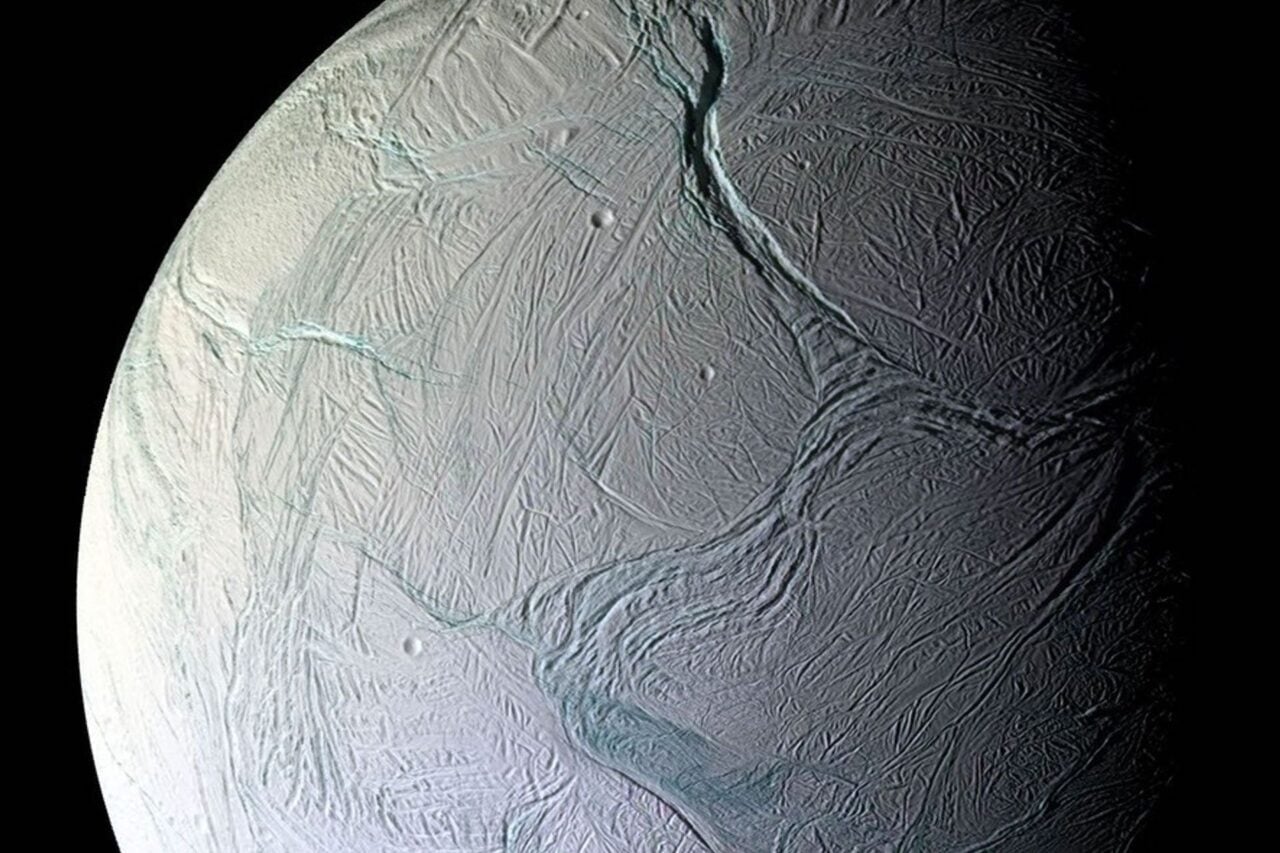
The findings strengthen the case for this icy moon’s habitability.
Scientists using the James Webb Space Telescope observed dark beads and lopsided star patterns drifting over Saturn’s northern regions.
It's the first evidence of cloud convection in the northern hemisphere of Saturn’s enigmatic moon.
While all the ingredients are there, the moon's composition likely prevents them from coming together in any meaningful way.
Skywatchers will get a rare chance to see Saturn in its full glory, without chunks of ice and rock swarming around it.
The discovery of 128 new moons puts Saturn way ahead of its rival, Jupiter.
After terminating its diversity programs, the space agency is reviewing whether several science committees are complying with presidential orders.
Six planets are lining up in a row from our Earthly view of the cosmos, in a spectacle that'll be visible in January through to February.
Enceladus and Europa are among the most promising places where alien life could exist in our solar system.
Titan's large seas and lakes may be influenced by waves, but not the kind you could surf, according to new research.
Saturn's moon Enceladus is known for spewing jets of water-ice into space, with new research revealing a potential mechanism behind this phenomenon.
Plus, a major development in the quest for nuclear fusion power.
Mimas joins an elite club of solar system moons harboring subsurface oceans with potential habitability.
The smallest rings in the solar system, belonging to the centaur Chariklo, may be perturbed by a moon that's yet to be discovered.
The latest portrait of Uranus showcases its rarely seen rings and moons.
Data gathered by NASA's Cassini spacecraft has confirmed evidence of hydrogen cyanide on Enceladus—a molecule tied to the origin of life as we know it.