Artemis astronauts will require sophisticated vehicles to support their lunar expeditions.
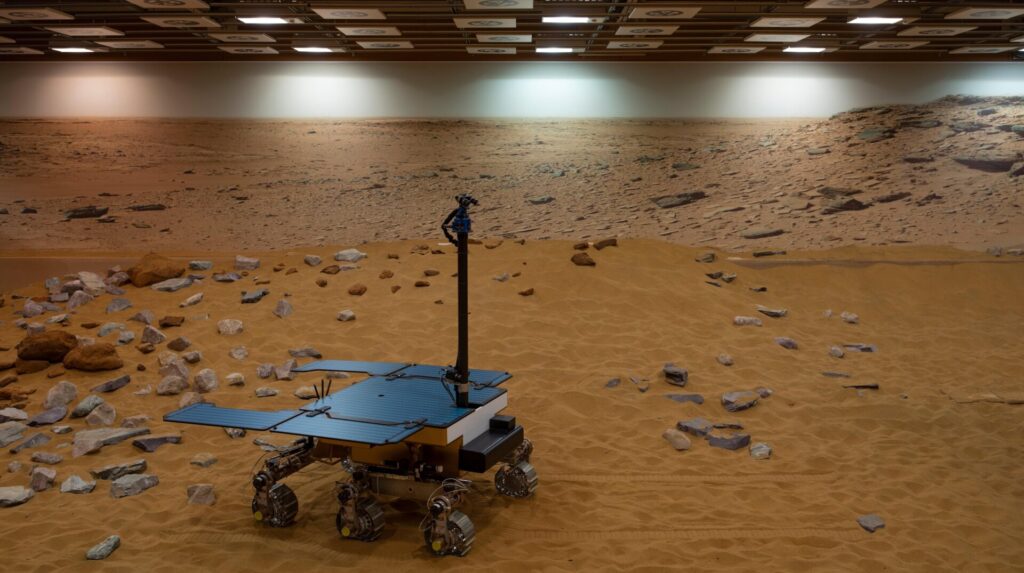
The Mars mission was supposed to launch this year, but the collaborative project is now on hold.
NASA says the Webb telescope will perform according to expectations, “if not better.”
Unwanted rocks won't leave NASA's six-wheeled rover alone.
The already-delayed Russian-European Mars mission now faces even more uncertainty.
The latest image from Webb brings another sigh of relief that the telescope will be up and running soon.
Yutu-2 has traversed more than 3,200 feet since landing in Von Kármán Crater in January 2019.
The 18 dots of starlight match the honeycomb shape of the telescope’s primary mirror.
The blast of hot gas stretched 2 million miles—and probably more.
It's a cosmic case of mistaken identity, and we can thank a NASA scientist for noticing that the Moon-bound booster wasn't from a SpaceX Falcon 9 rocket.
A special lens designed to take images of the telescope’s primary mirror captured the remarkable deep-space self-portrait.
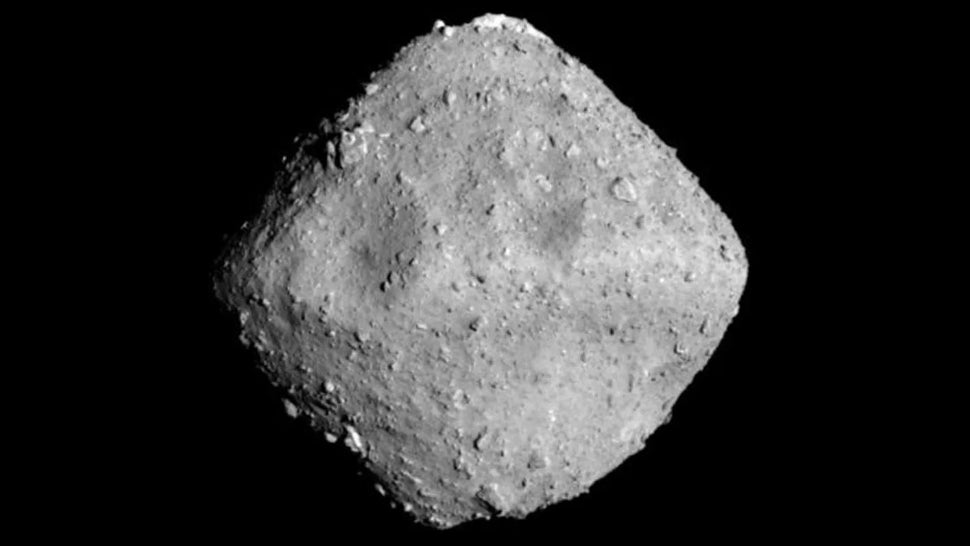
Hayabusa2 returned from Ryugu with just a teaspoon’s worth of material, but it could be enough to study the entire asteroid.
SpaceX lost 40 satellites after a geomagnetic storm prevented them from rising to their operational orbits.
Our final view of the doomed booster will be made available tomorrow during a live webcast.
HD 84406 will go down in history as the first star spotted by the $10 billion space telescope.
The ISS will plunge into a remote part of the Pacific Ocean known as the “spacecraft cemetery.”
The glow would be caused by the spinning rotor blades, which interact with the planet’s atmosphere.
After a lanyard fell off its spool, NASA is mulling whether to try again to deploy the solar panel—or do nothing.
A wiggle here and a rotation there have fixed the Mars rover’s pebble problem.
The collision will mark the first time that our space stuff has unintentionally reached the lunar surface.