
The incident was likely an opportunistic kill, with the fox preying on the small pup to possibly threaten the survival of the predator species.
The researchers describe it as a "potential" example of tool use among wolves.
Wolves hate melodrama.
New research challenges previous theories suggesting the two young canines were domesticated dogs and reveals their surprising last meal.
A popular theory suggests wolves domesticated themselves for human food scraps—and new simulations suggests it's paw-sible.
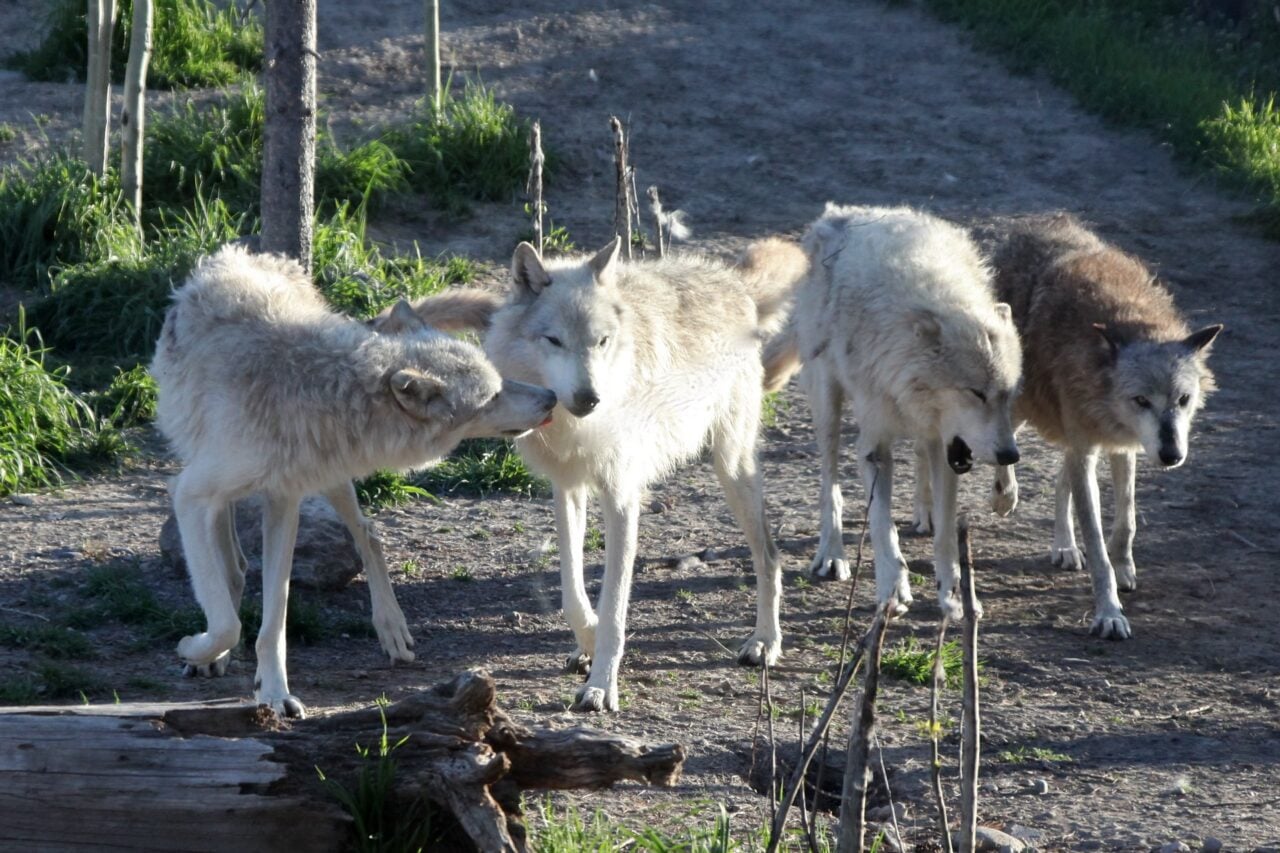
The long-lived, one-eyed wolf 907F died this Christmas after a fight with a rival wolf pack, Yellowstone researchers have confirmed.
Bones from the turn of the Holocene indicate that humans were feeding canines—including wolves and coyotes—fish over 10,000 years ago,
Researchers have observed some wolves visiting as many as 30 flowers at a time, drawn by their apparently sweet and delicious nectar.
For a significant chunk of change, you can now travel with your pet in VIP luxury.
Would you like more werewolves in movies? Then this may be the one for you!
New research from the Dog Aging Project has found that large and small dogs both have their own unique set of health risks.
io9 has the exclusive trailer for the Small Town Monsters documentary about the legendary monsters.
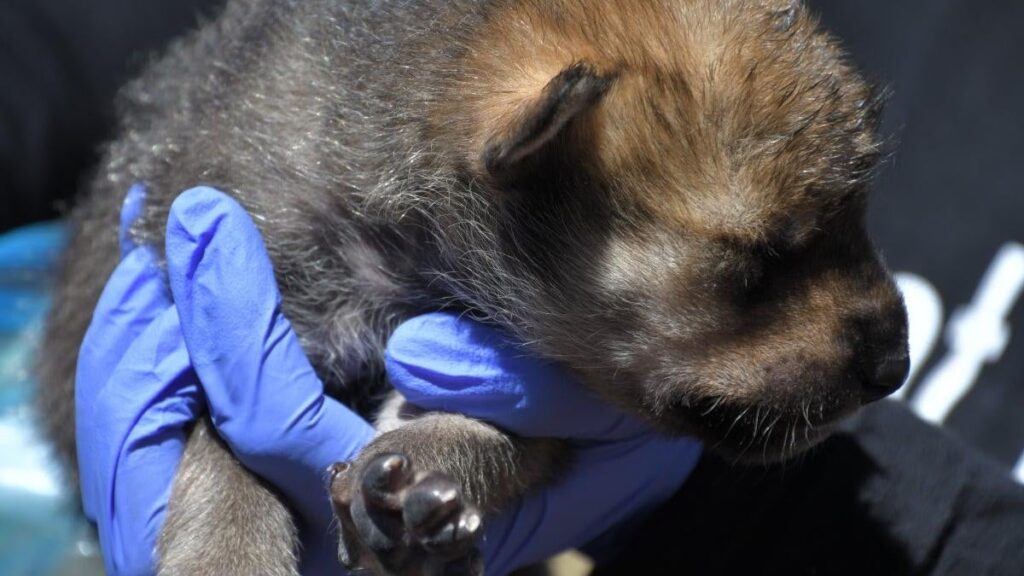
If they thrive in the wild, there’s hope for regrowing the dwindling wolf population of the U.S. Southwest.
Experts suspect a coronavirus, but not the one that causes covid-19, may be to blame for the outbreak of canine vomiting and diarrhea.
The brains of dogs lit up differently when they heard an unfamiliar language, a new MRI experiment showed.
State police say that eight wolves, including an entire pack, have been killed by poison since February.
Wolves living today along the border of Norway and Sweden appear to be descended from Finnish wolves.
Much research has gone into developing new tech designed for humans to check on their pets—but what if your dog wants to check on you?
The policy could imperil a wolf population that conservationists have fought to restore for decades.
Known as “Eurasian hunting dogs,” these non-wolf canids are very distantly related to domesticated dogs.