Within some tech circles not so long ago, there was excitement around the concept of a wearable AI “companion”; essentially, a chatbot built into a compact piece of hardware, which users would carry around with them on their person. The idea was marketed as a mix between an ever-present conversation partner, a personalized note-taker, and, most memorably—or cringe-ily, depending on your views—an artificial “Friend.”
Anyone who rode a New York City subway in the last few months of 2025 knows how that idea played out. Friend, which launched a massive marketing campaign throughout the city’s subway system to promote its AI pendant, received widespread public backlash to its billboards, which many people interpreted as promoting artificial relationships over actual, human-to-human connections. The ads were widely defaced throughout the city. (One memorably wholesome bit of graffiti spotted on a Friend ad spotted in Brooklyn in October simply read: “Call your mom.”)
Whether Friend’s subway marketing debacle was a net loss for the company is up for debate; all publicity is good publicity, as the old saying goes. But what doesn’t seem debatable at this point is that by and large, most people just weren’t thrilled by the idea of wearing—and being surveilled by—a portable AI chatbot. Witness also the fall of Humane’s AI Pin, which was similarly hyped for a brief period as the harbinger of a major new tech trend, before it too failed to catch on with consumers. Humane later sold its assets to HP.
The wearable AI dream isn’t dead
It’d be premature, however, to conclude from the failure of the AI Pin and the public backlash to Friend that AI wearables are a lost cause. After all, it’s been less than four years since the public debut of ChatGPT, the starting gun that launched the AI race. Only a very small handful of tech developers have managed to monetize their proprietary LLMs, which means there are still a lot of unanswered questions around what the next generation of AI-powered products will look like.
Some in Silicon Valley, including major players like Apple and Meta, continue to believe in the practical and commercial potential of AI-powered wearables. But whatever form those new wearables take, they almost certainly won’t be “companions,” à la Friend and Humane. The public verdict on that model has been resoundingly clear.
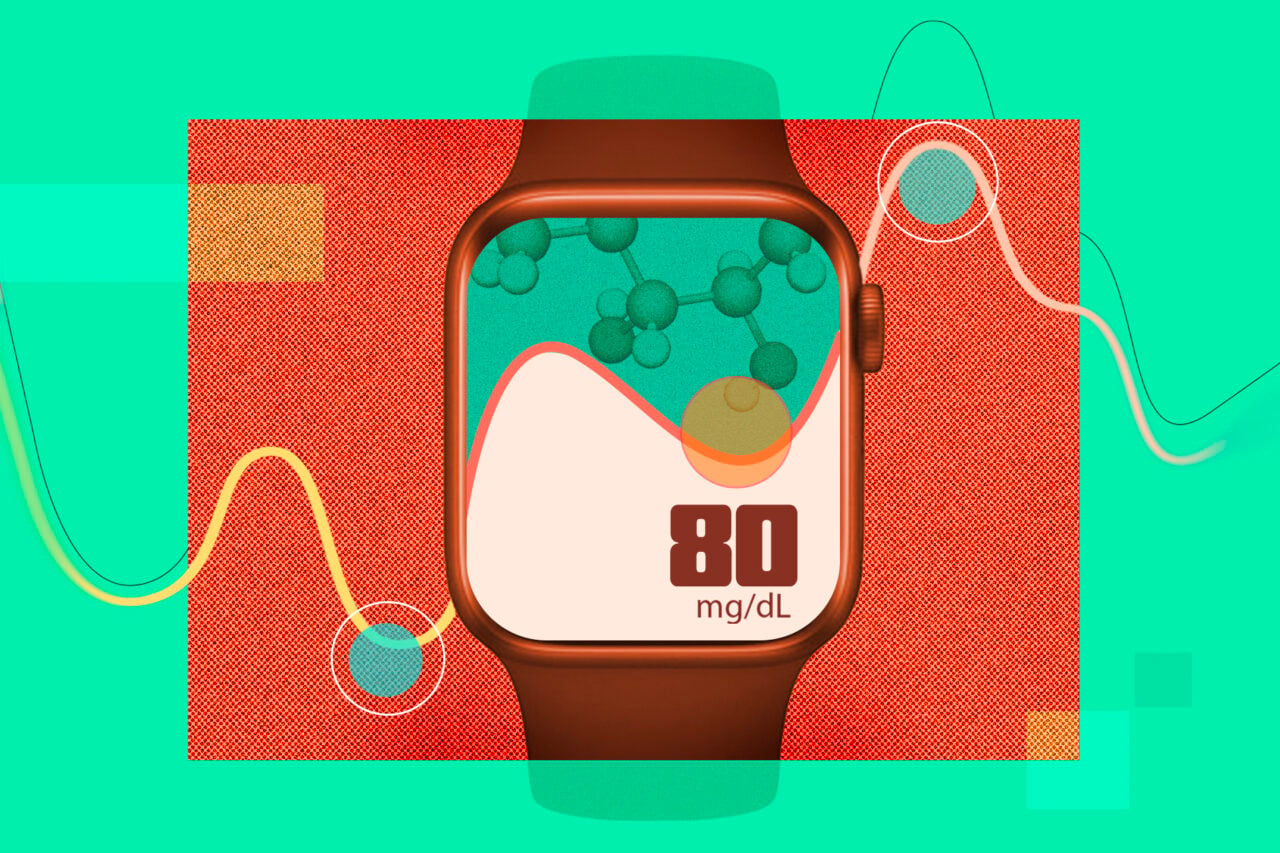
One alternative route that the evolution of AI wearables could take is towards personalized health. Indeed, you can see that evolution is already taking place.
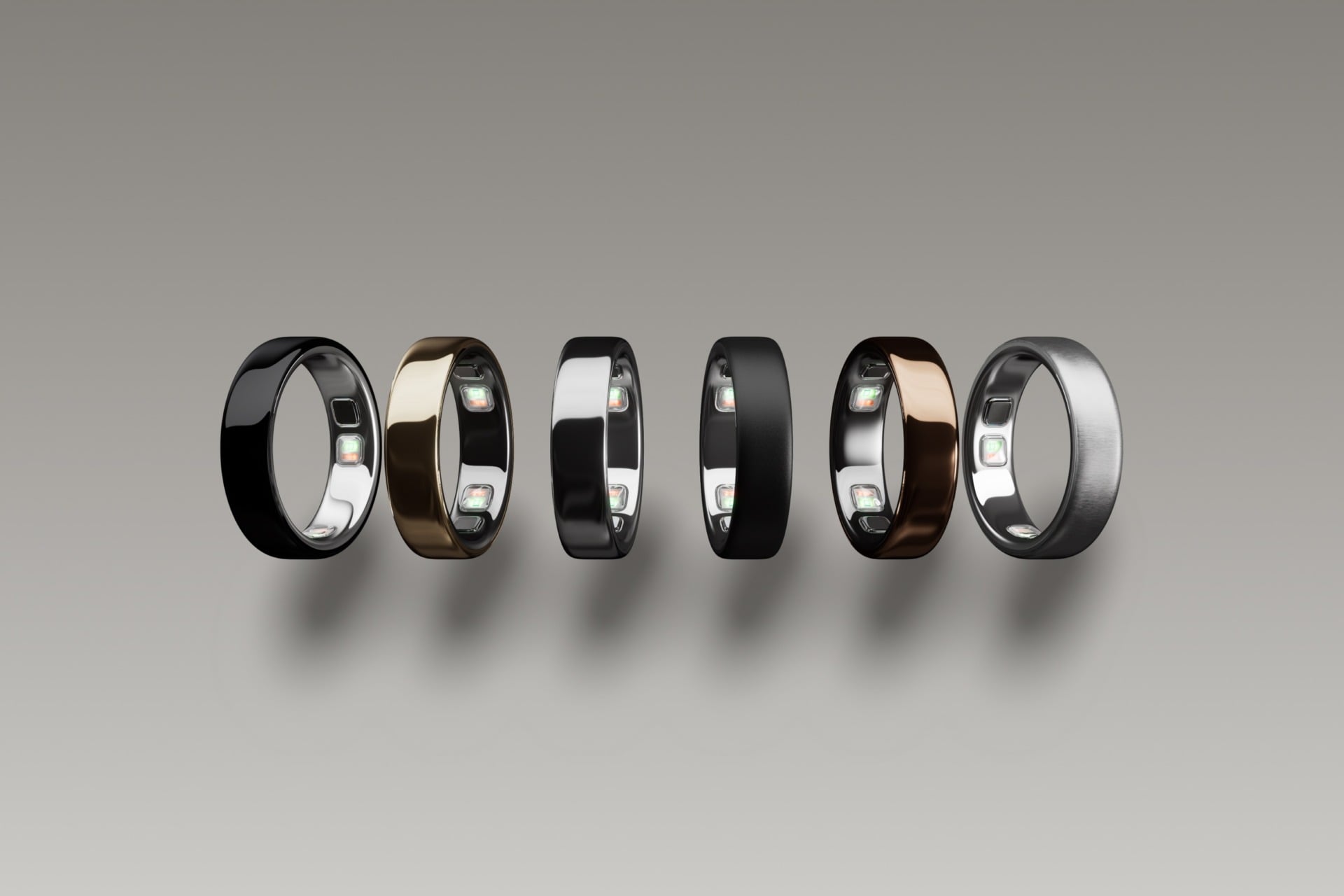
The Oura Ring 5, available for preorder today and starting at $399, comes with a built-in AI assistant called Oura Advisor (which the company first debuted last year). While most people associate the Oura Ring with sleep tracking, the new smart ring is largely being marketed as a personalized fitness tracker and health coach. Through an integration with the Oura app, users can receive personal health recommendations from the AI assistant as well as human medical professionals.
The launch of the Oura Ring 5 arrives on the heels of Google’s release of the Fitbit Air, which also comes with a personalizable, LLM-powered assistant called Health Coach. (Google acquired Fitbit in 2021 for a reported $2.1 billion.) It also comes with a new, AI-heavy app called Google Health, which hasn’t gotten off to the best start.
Other AI-powered wearables geared towards health optimization abound. Some smart headbands, for example, conduct EEG scans while you sleep to measure sleep quality. And Meta’s Ray-Ban smart glasses—probably the most popular (and controversial) AI-centered wearable device on the market right now—come with some health-oriented features, including one that allows you to track everything you eat.
Chatbot health assistants
Oura and Fitbit have, of course, always been geared towards health and fitness, and it was only a matter of time before they started leaning more heavily into AI, so we shouldn’t be surprised that built-in AI health assistants are becoming a hot new trend in the wearable tech space. At the same time, however, some major AI developers have begun investing more in personalized health features, in direct response to trends surrounding users’ interactions with chatbots.
In December, for example, a report published by Microsoft showed that “health and fitness” was the third most common category of user prompt fed to Copilot, the company’s flagship AI chatbot (the first and second most common types of queries were “technology” and “work and career,” respectively); Microsoft introduced Copilot Health in March.
Data from OpenAI published in January by Axios showed that forty million people around the world were using ChatGPT for medical advice; OpenAI debuted ChatGPT Health and ChatGPT for Healthcare later that same week.
Risks and opportunities
There are plenty of well-founded concerns that come with using AI as a personalized health coach, whether that’s through a wearable device or a chatbot on your phone. Chief among them is: What’s actually happening to that data? How is it being used by the companies that own the devices, who can monitor it, and to what end? And in the case of chatbots, the risks of hallucination—giving users bogus information as if it were fact—are compounded when conversations center on personal health.
Like the other hot-button legal and ethical conundrums posed by AI, it will take time for such questions to be resolved. But the growing interest in personalized health among tech companies signals what’s likely to become a key zone of investment both for the leading AI labs looking to monetize LLMs, and for newer startups with their eye towards getting a head start on the next big tech trend.
Meanwhile, all of those companies will be guided by the lesson of Friend and Humane’s AI Pin: If AI wearables ever go mainstream, it almost certainly won’t be as a “companion,” but rather as a much more limited tool, designed for a more specific purpose. For better or worse, plenty of people will still turn to AI for therapy, relationship advice, and yes, even as a balm for loneliness. But most of them don’t want to publicly advertise their personal issues in a conspicuous gadget hanging from their neck.