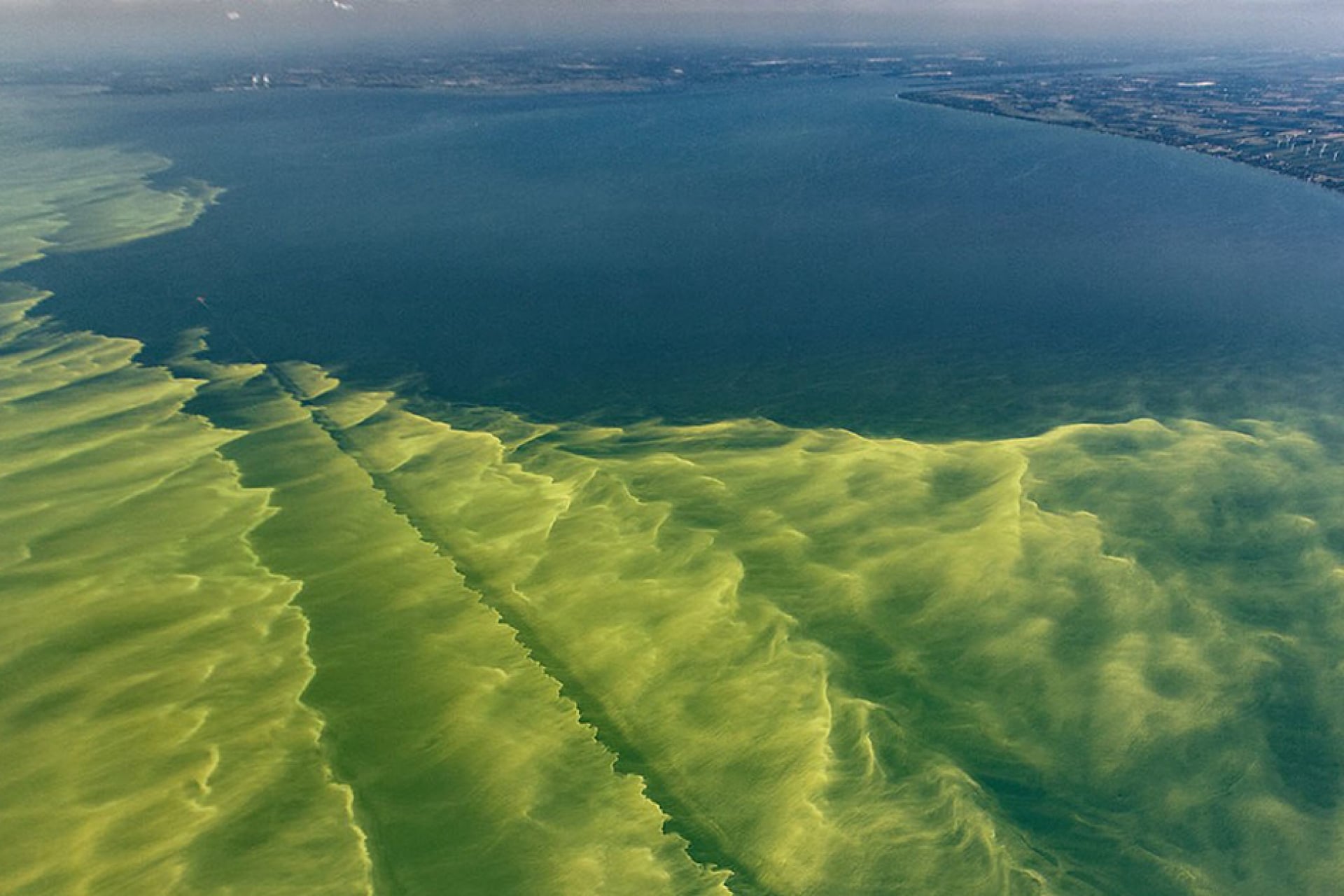
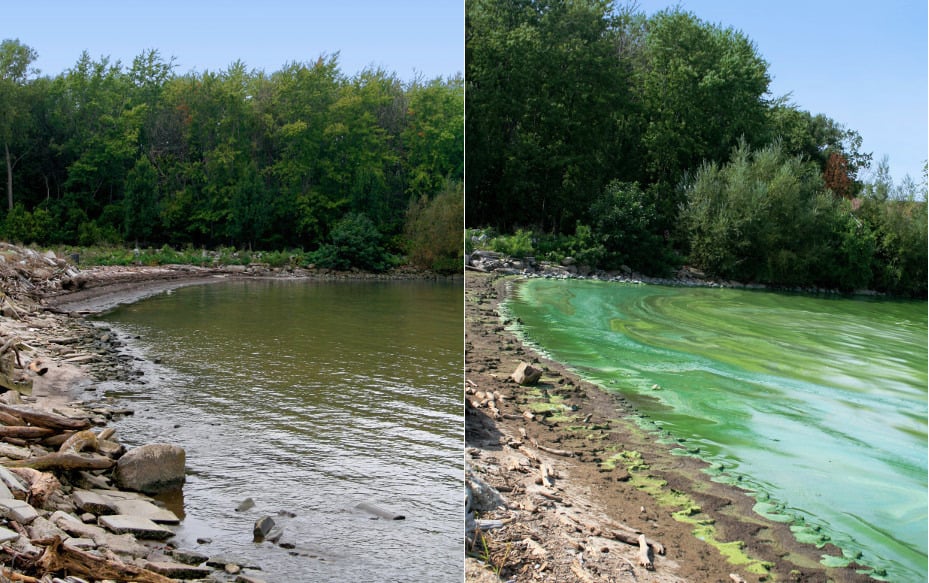
Every year, Lake Erie experiences seasonal blooms of cyanobacteria, which produce blue-green toxins that pose health risks to humans and animals. Accordingly, officials and scientists consistently monitored these events—and realized that the situation was actually more dire than they thought.
For one, the algal toxins are more accurately a soup of several compounds that team up differently according to the season. The algal blooms produce varying types of toxins as the weather shifts across three separate phases. Concerningly, these compounds include chemicals that evade detection via conventional monitoring. These findings were detailed in two papers published in Environmental Toxicology and the ISME Journal.
“A lot of people are aware of these algal toxins, but the big picture is that these harmful algal blooms are expanding with climate change,” Gregory Dick, senior author of both papers and an environmental scientist at the University of Michigan, said in a statement. “What our paper shows for the first time is that in western Lake Erie, there really is a soup of these different compounds.”
An ominous slush
Again, the danger of cyanobacterial blooms had already prompted federal and state agencies to carefully monitor them. According to the Environmental Protection Agency (EPA), exposure to cyanobacterial toxins can lead to health problems ranging from mild skin rashes to fatal illnesses. Large blooms, regardless of toxicity, can also cause drastic shifts in acidity and oxygen levels in freshwater sources, which can have irreversible consequences in the local ecosystem.

Despite the risks, the four cyanotoxins and their relatives monitored by officials represent a measly 10% of more than 3,000 cyanobacterial metabolites identified to date, the Environmental Toxicology paper pointed out. Consequently, that suggests there’s too much we don’t understand about the full threat of algal blooms as an “even greater, largely unassessed toxicological unknown,” according to the same study.
Finding the signs
For the ISME Journal study, researchers collected algal samples monthly from May through October between 2016 and 2022. Then, the team identified microbial DNA present in the sample, in addition to the compounds produced by the microbes. As a result, the researchers were able to outline the life cycle for algal toxins across three phases. They found that microcystin, the most well-known toxin, dominates the initial phase. Meanwhile, during the second and third phases, the microbes produce several cyanopaptides, including anabaenopeptins, aeruginosins, and aerucyclamides.
This first study “characterized the molecules that exist in this ‘forbidden soup,'” explained Lauren Hart, the lead author of both studies, in a statement. In the second study, published in Environmental Toxicology, Hart and colleagues tested how these compounds interacted as a group, finding that “not only do they exist, they’re of concern,” she added.
As of now, the direct health risks to humans and animals remain unclear, according to both papers. Still, the findings highlight a dire need to reassess current toxicity frameworks to cover a broader range of toxins, according to the Environmental Toxicology paper.
“There needs to be more focus on what we are currently monitoring for, why we are currently monitoring it, and making sure we’re including the bigger picture in our risk management models for large lakes,” Hart said.