Toxoplasma gondii, a parasite that spreads through cat poop and contaminated food and water, should be taken much more seriously than it currently is, an international team of researchers is arguing.
In a paper published today, the team is calling for the World Health Organization to formally designate T. gondii infection a neglected tropical disease. This infection, known as toxoplasmosis and found in about 1 in every 10 Americans, can wreak all sorts of bodily havoc, including blindness, and may even have the potential to subtly alter people’s personalities. Recognizing T. gondii as a neglected tropical disease would make it easier to study the parasite and bolster prevention efforts in the most vulnerable parts of the world, the researchers say.
“What we’re seeing is that while there are these improvements occurring in the fight against other neglected tropical diseases, toxoplasmosis is just getting left behind,” senior author Justine Smith, an ophthalmologist at Flinders University in Australia, told Gizmodo.
The toxo problem
T. gondii is a single-celled protozoan parasite with a complex and notorious life cycle.
Though its primary host is the cat, the parasite gets there via other intermediate hosts. These secondary hosts are usually rodents, which infect cats when they’re gobbled up for dinner. T. gondii, also nicknamed toxo, can infect practically any other warm-blooded animal, humans included. We usually get toxo from touching infected cat poop, consuming contaminated produce and water, or eating undercooked meat.
Unlike rodents, people are a dead-end host for toxo. Once infected, the parasite will linger in the body for life, usually without serious problems. That said, it can still cause trouble on occasion, according to lead author João Furtado, a fellow ophthalmologist and researcher at the University of São Paulo in Brazil.
“Most infections are mild or even unnoticed. However, infection during pregnancy can have severe consequences because the parasite can be transmitted to the fetus,” Furtado told Gizmodo. “Congenital toxoplasmosis can lead to miscarriage, neurological damage, and lifelong visual impairment.”
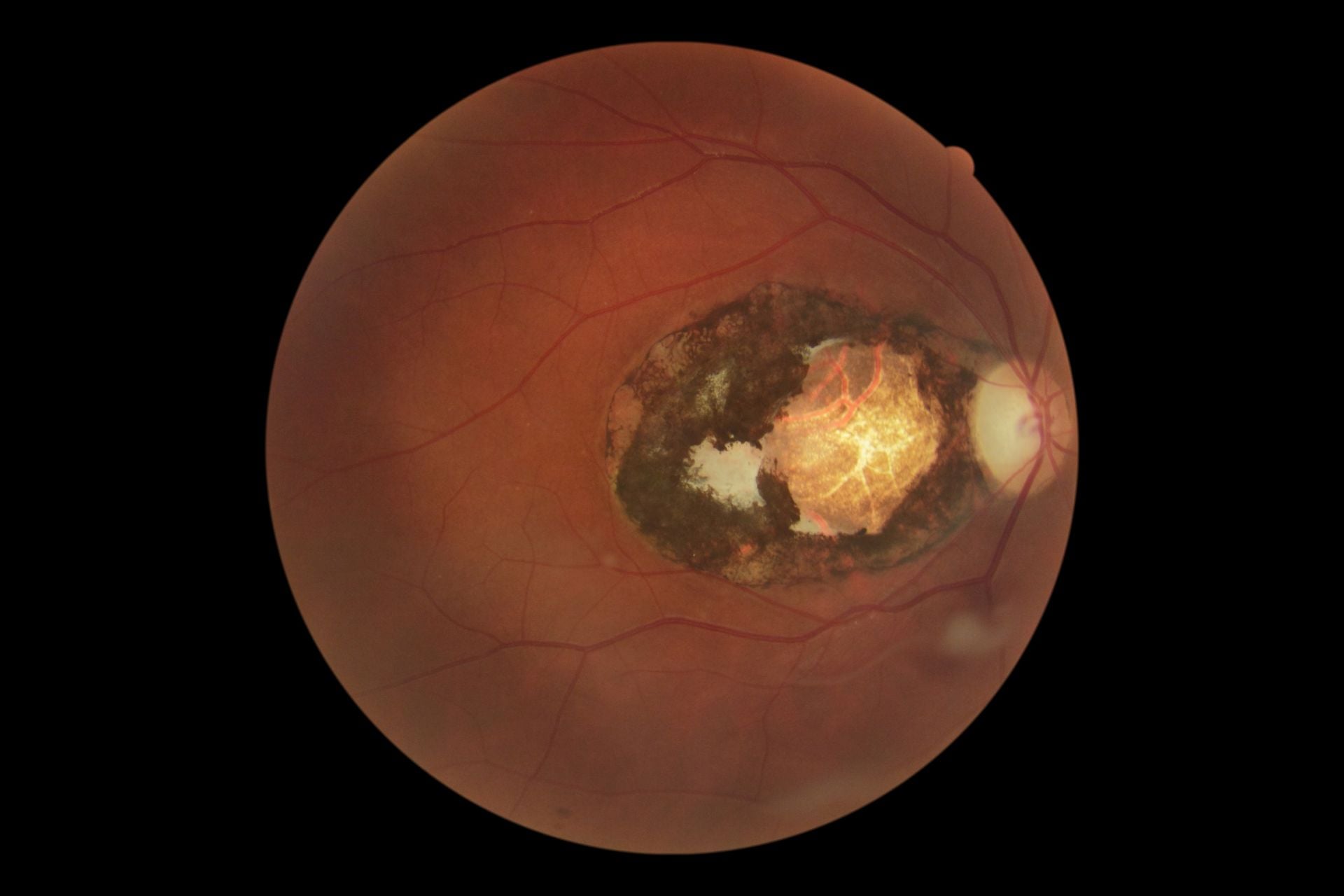
Even outside of cases spread during pregnancy, the parasite will often migrate to the back of people’s eyes and trigger an inflammation of the retina. This form of the illness, called ocular toxoplasmosis, is a leading cause of retinal infections worldwide. And if not treated early enough, it can cause permanent scarring of the retinas, leading to vision loss.
Toxo is also known for manipulating the behavior of infected rodents, making them bolder and less afraid of cats, which then makes them easier prey. And though it’s still not firmly established, some research has also suggested that latent toxo can subtly affect the behavior and personality of other large animals like wolves as well as humans; it might even raise our risk of schizophrenia or brain cancer.
Why toxo shouldn’t be neglected
According to the researchers, toxo fits all the criteria for a neglected tropical disease set out by the WHO.
“It disproportionately affects people living in poverty; it carries a substantial burden in tropical and subtropical regions; it is preventable and treatable through public health action; and it receives too little research and policy attention relative to its burden,” said Furtado.
Affixing this label to toxo would help marshal resources toward better understanding it, hopefully leading to new interventions, Smith added.
“That sort of recognition translates through to researchers being funded to work on things like vaccines, diagnostics, and curative drugs,” she noted. “There is no commercially available vaccine against toxoplasmosis. And the drugs we give patients can limit a flare-up of the disease, but there is no drug that cures it at this point.”
More funding would also shore up effective prevention measures, like improved sanitation, better food safety, and other initiatives integrated into existing health programs, particularly those targeted toward pregnant women.
The team’s paper was aptly published Thursday in the journal PLOS Neglected Tropical Diseases.
Despite the moniker of a tropical disease, toxo can be found just about everywhere. Even in the U.S., roughly 10% of Americans are estimated to be living with the parasite. But it’s undoubtedly a bigger problem in some places. In highly endemic areas like Brazil, for instance, toxo might be present in up to 80% of the poorest populations. And it’s these communities that need the most help, the researchers say. Globally, around a third of the world’s population is estimated to have toxo.
Wherever you live, there are steps you can take to lower your risk of toxo exposure.
“The key message is that toxoplasmosis is common, yet much of its burden is preventable. People should not panic, and cat owners should not blame or abandon their cats. The problem extends beyond cats alone,” Furtado noted. “Simple measures matter: cook meat thoroughly; wash fruits and vegetables; wash hands after handling raw meat, soil, or cat litter; avoid drinking unsafe water; and take extra care during pregnancy.”
At the same time, he adds, we shouldn’t place the entire responsibility for avoiding toxo on individual people alone.
“Safer food systems, clean water, sanitation, prenatal care, access to diagnosis, and timely treatment are collective responsibilities,” he said. “That is exactly why toxoplasmosis should be viewed not only as an individual infection but also as a neglected public health problem.”