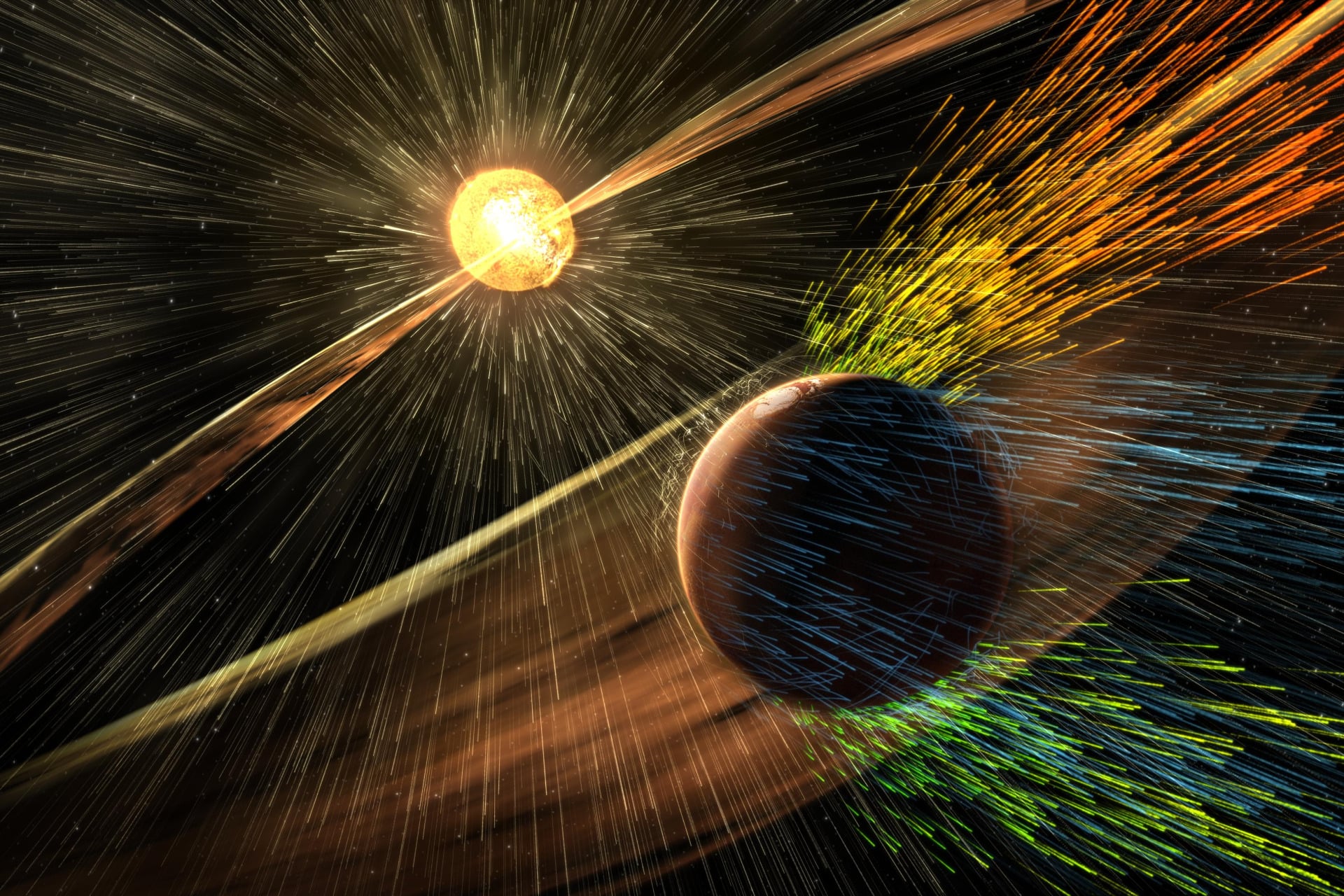
We’ve monitored the Sun’s cycles for centuries, but solar cycles vary in length and intensity. That’s made it challenging to reliably predict what the next cycle will bring. But astronomers might have found a way to make things less unpredictable.
According to a new proposal, leveraging the Sun’s “switch-off” point may allow scientists to predict the Sun’s next activity cycle around six or seven years before its maximum. This point refers to a period in the solar cycle wherein the Sun’s most extreme weather events abruptly stop, or “switch” off. The research, led by Sandra Chapman of the University of Warwick in the U.K., will be presented at the Royal Astronomical Society’s National Astronomy Meeting this week.
“The Sun doesn’t gently go to sleep and then gently wake up again,” Chapman said in a statement. “Instead, we’ve discovered that the most extreme space weather switches off quite suddenly at a specific point in every solar cycle. By identifying that point, we’ve found a new way to predict how active the next solar cycle is likely to be.”
An irregular cycle
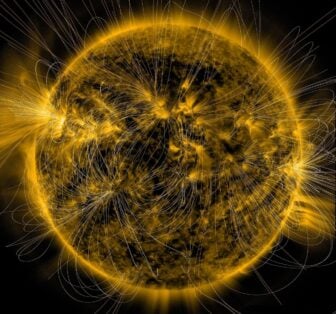
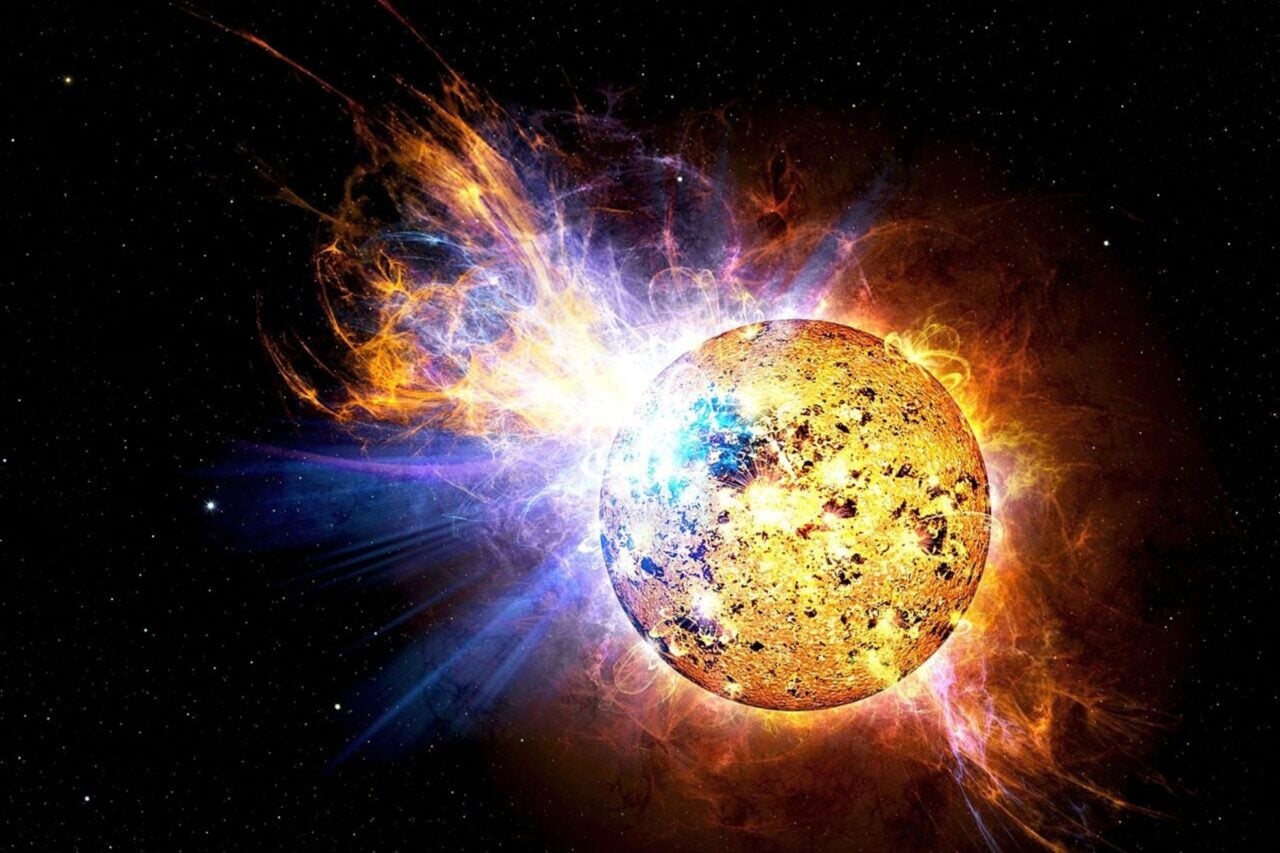
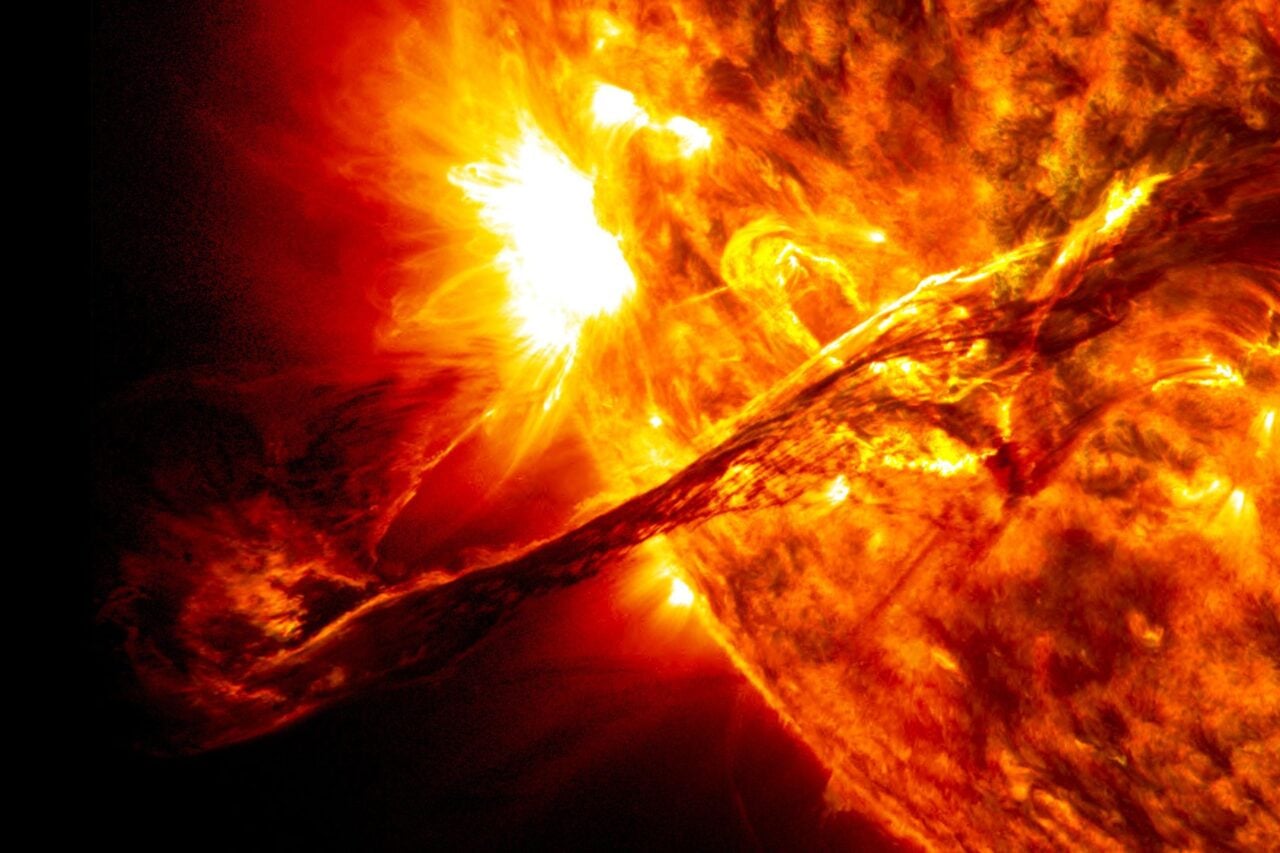
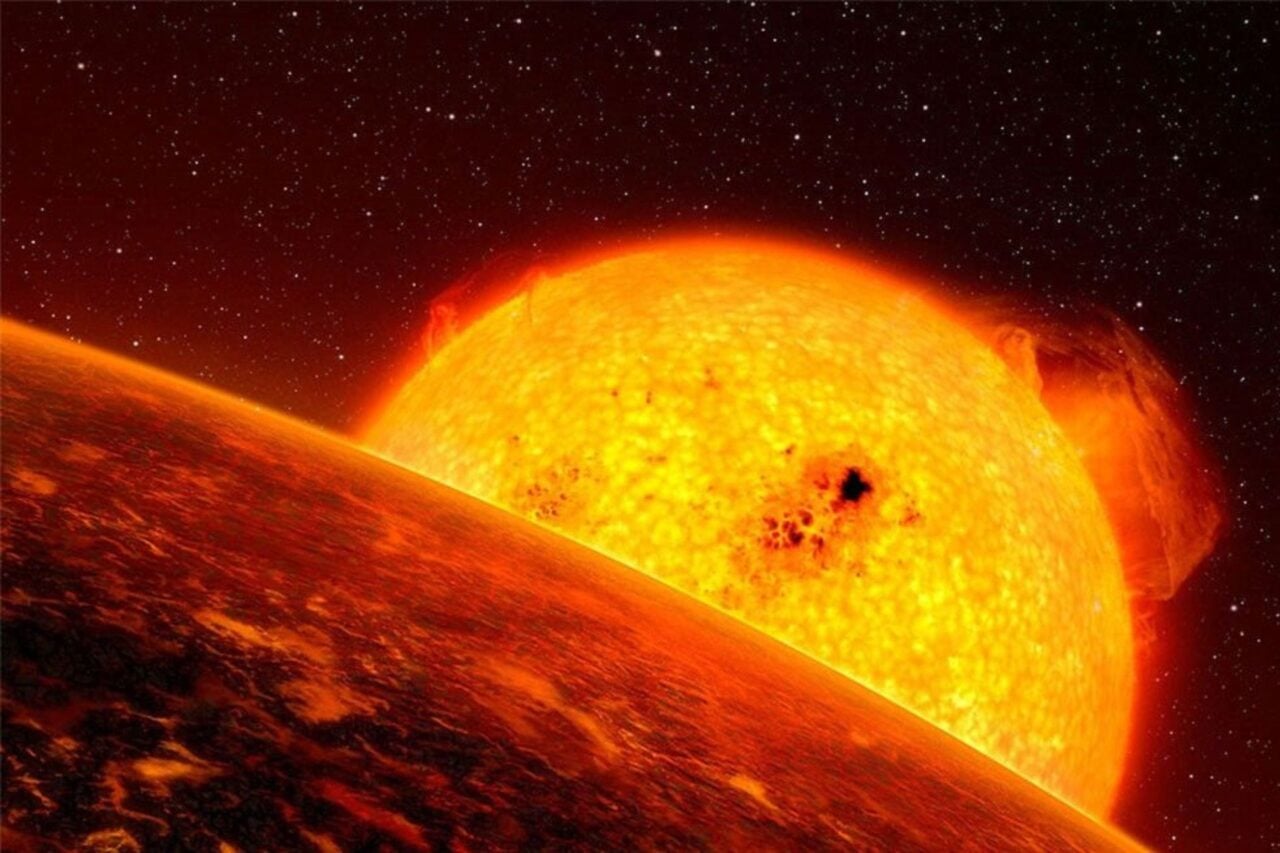
Roughly every 11 years, the Sun’s magnetic field reverses polarity, which means that its north and south poles switch places. Between these cycles, a concentration of magnetic field lines creates sunspots, or dark spots that “freckle” the Sun’s surface. Sunspots are often responsible for intense weather events such as solar flares or coronal mass ejections and act as key indicators of both solar weather and the solar cycle for scientists.
Like most things in the universe, however, solar cycles and sunspot activity tend to be more on the irregular side. Still, Chapman and colleagues wondered if it was possible to extract any helpful pattern from solar activity, which resulted in their proposal of a “sun clock” in 2020, an approach that mapped solar cycles onto a standard clock. It was from this work that the team noticed that, in every solar cycle, the most extreme space weather didn’t gradually fade but instead “switched off” at a distinct point, according to the statement.
The switch-off
The latest research builds on the previous observations. Specifically, the team clocked a correlation between the number of sunspots at the switch-off point and the peak number of sunspots in the following solar cycle. From this observation, the researchers developed a new forecasting method that uses this metric to predict the strength of the next solar cycle well in advance, as well as identify relevant changes to the solar dynamo—the process that generates the Sun’s magnetic field.
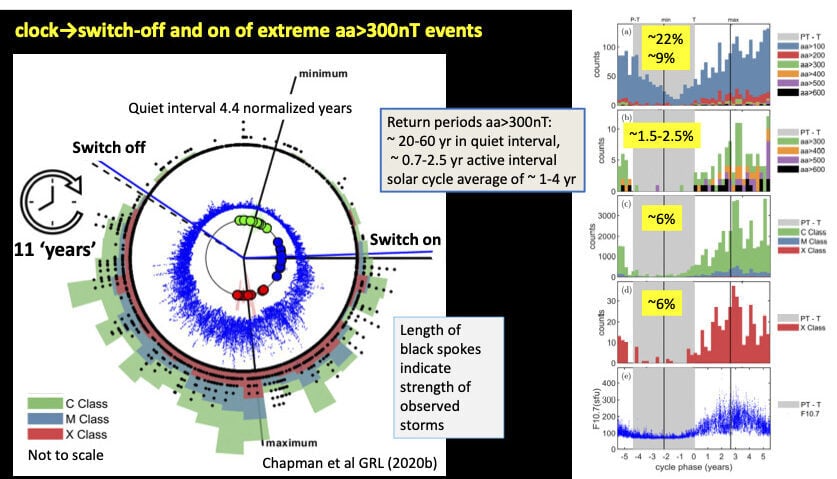
Currently, astronomers and space weather forecasters have to wait until the solar minimum to get an idea of what’s to come, so the new approach offers a huge improvement. Initial tests showed that the model successfully predicted the unusual strength of Solar Cycle 25, which many previous forecasts weren’t able to do. In the statement, Chapman said that the team intends to monitor Cycle 25 with the new model to refine its accuracy with empirical observations.
“We’re about two years away from the switch-off point for the current Solar Cycle 25,” she said. “At the moment, we have to estimate where that point will be, but once we reach it, we can use observations alone to make a much more precise prediction for Solar Cycle 26. That will still give us around seven years’ warning of how strong the cycle is likely to be.”