An anomaly caused ESA's Proba-3 to ghost ground control, but now the spacecraft has finally made contact.
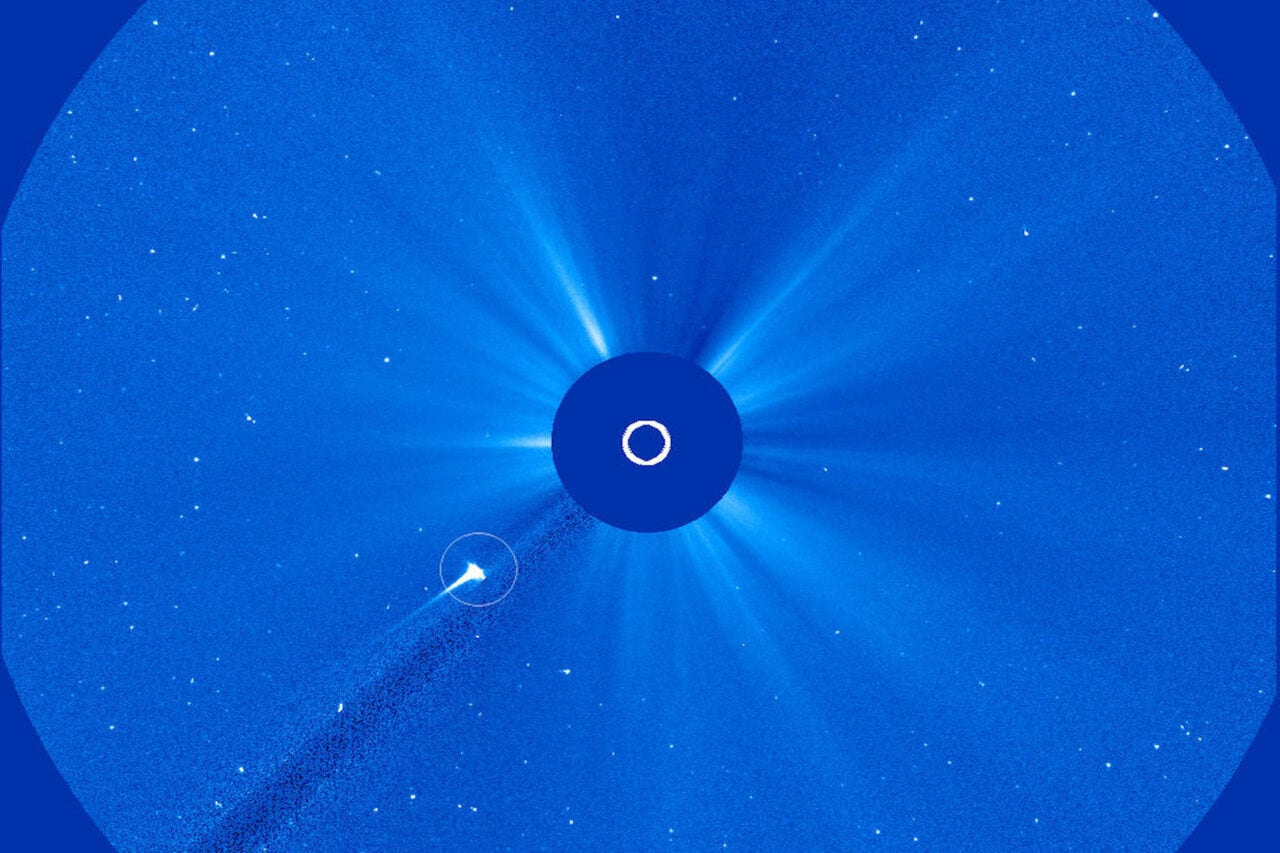
C/2025 K1 (ATLAS) was on its way out of the solar system when it did the fateful thing that many comets do.
Without the mass stellar migration, life may not have been able to form on Earth.
Astronomers watched as the supergiant WOH G64 reshaped itself into a different type of star.
Storms of this severity can impact satellites, astronauts, and some commercial flights.
Scientists observed the most active solar region in decades for a record-breaking 94 days.
Astronomers have mapped the turbulent edge of the Sun where solar matter manages to escape the Sun's fierce magnetic grip.
A new study finds that our star system is moving more than three times faster than previous models predicted.
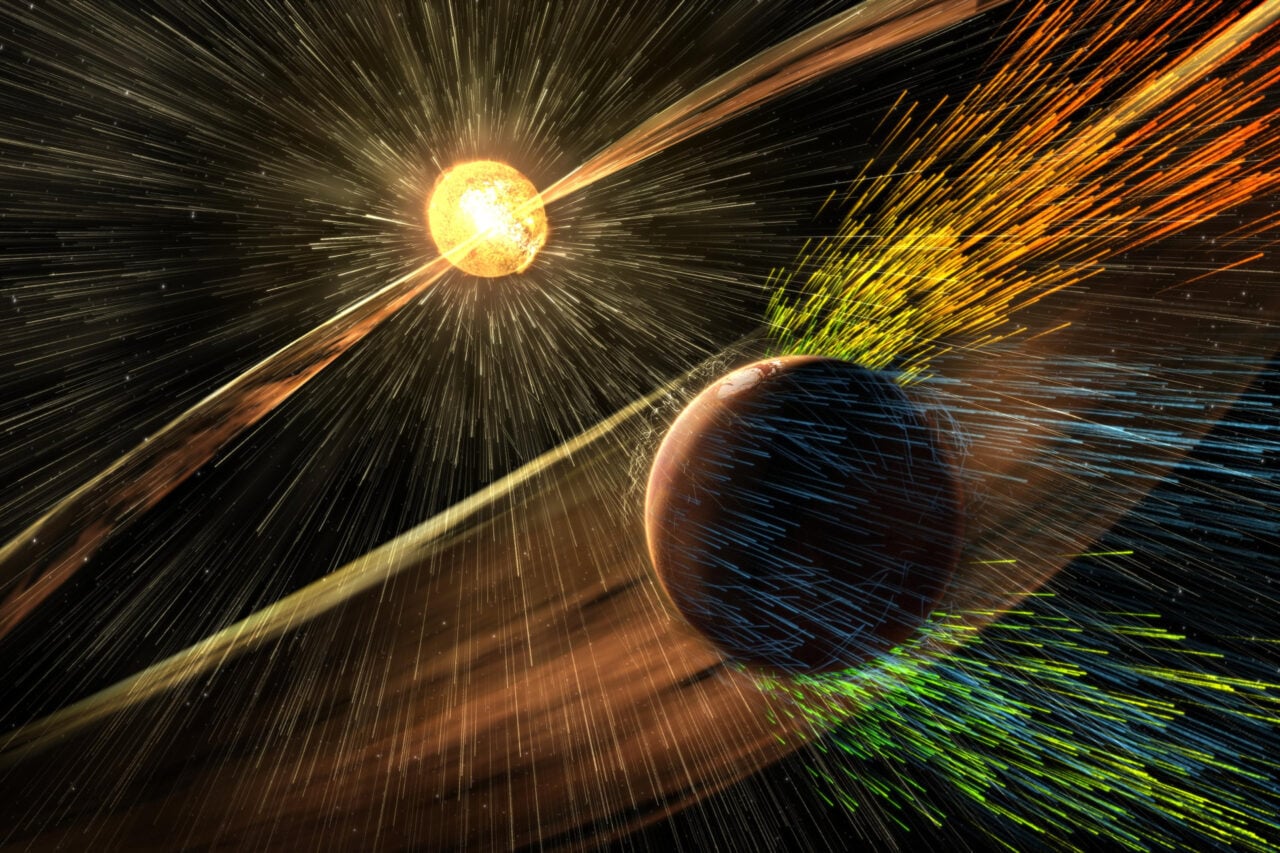
The Sun recently unleashed a series of violent solar flares in Earth's direction.
NOAA’s Space Weather Prediction Center has issued a geomagnetic storm watch for October 16 as several coronal mass ejections barrel toward Earth.
Scientists suspect that smaller "tornadoes" of solar plasma and magnetic field may be escaping our detection.
The IMAP probe will collect near real-time data about space weather.
“The Sun is slowly waking up.”
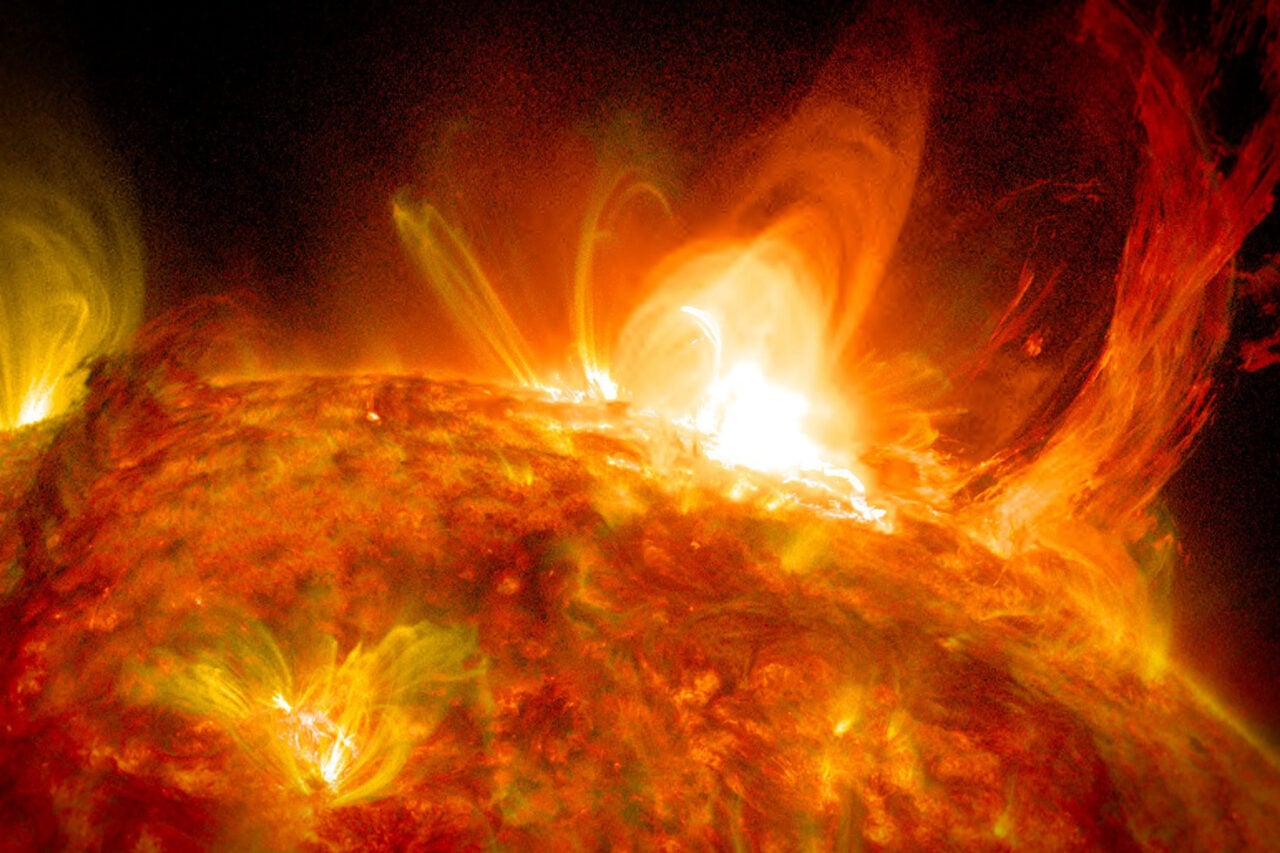
A record-breakingly sharp image of a solar flare allowed astronomers to get a closer look into the Sun's mysterious coronal loops.
The explosion created a 250,000-mile-long, boiling trench of hot plasma and debris in the star’s outer atmosphere.
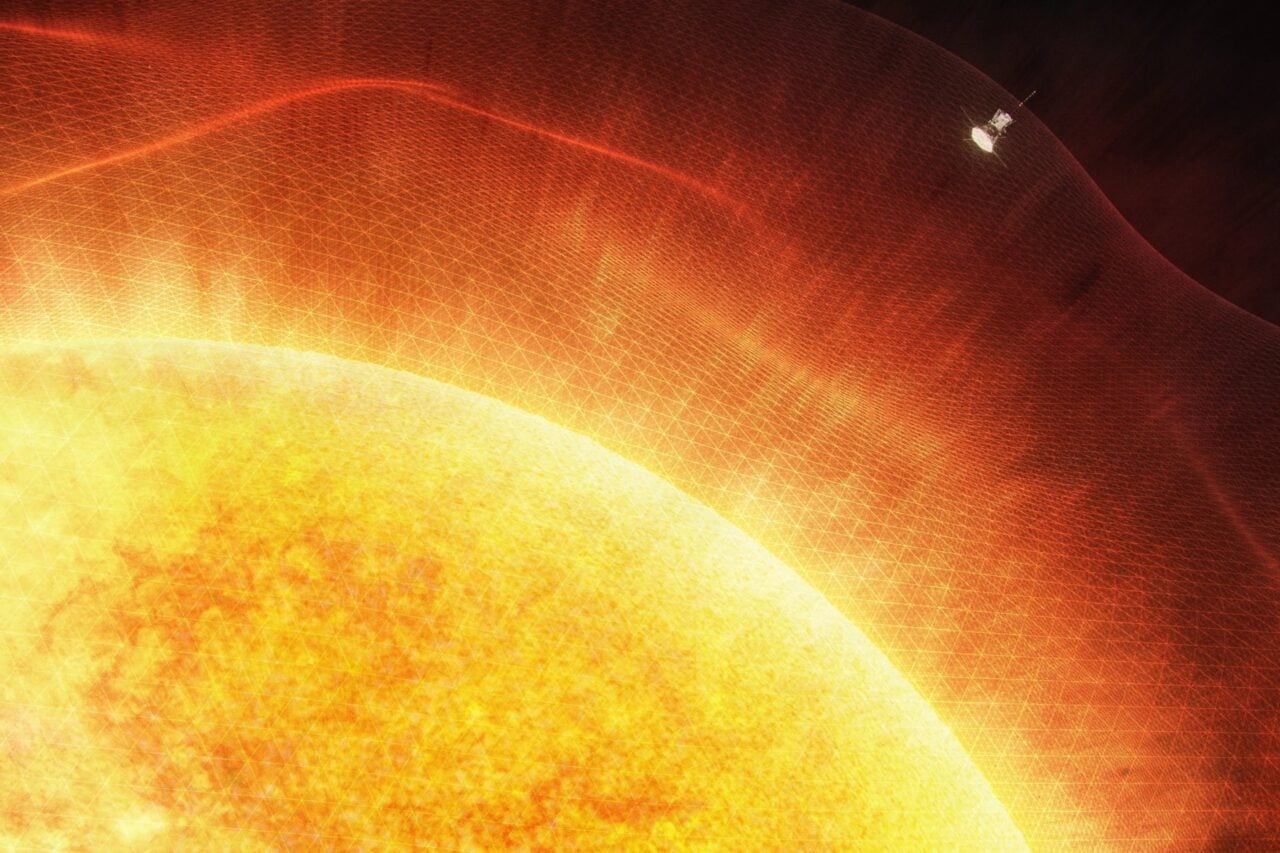
Images from the Parker Solar Probe’s record-setting pass by the Sun last year are finally available.
As the closest planet to the Sun, Mercury is exposed to the star's enormous gravitational field. And it's really stressful.
Scientists predict another solar eruption may take place today.
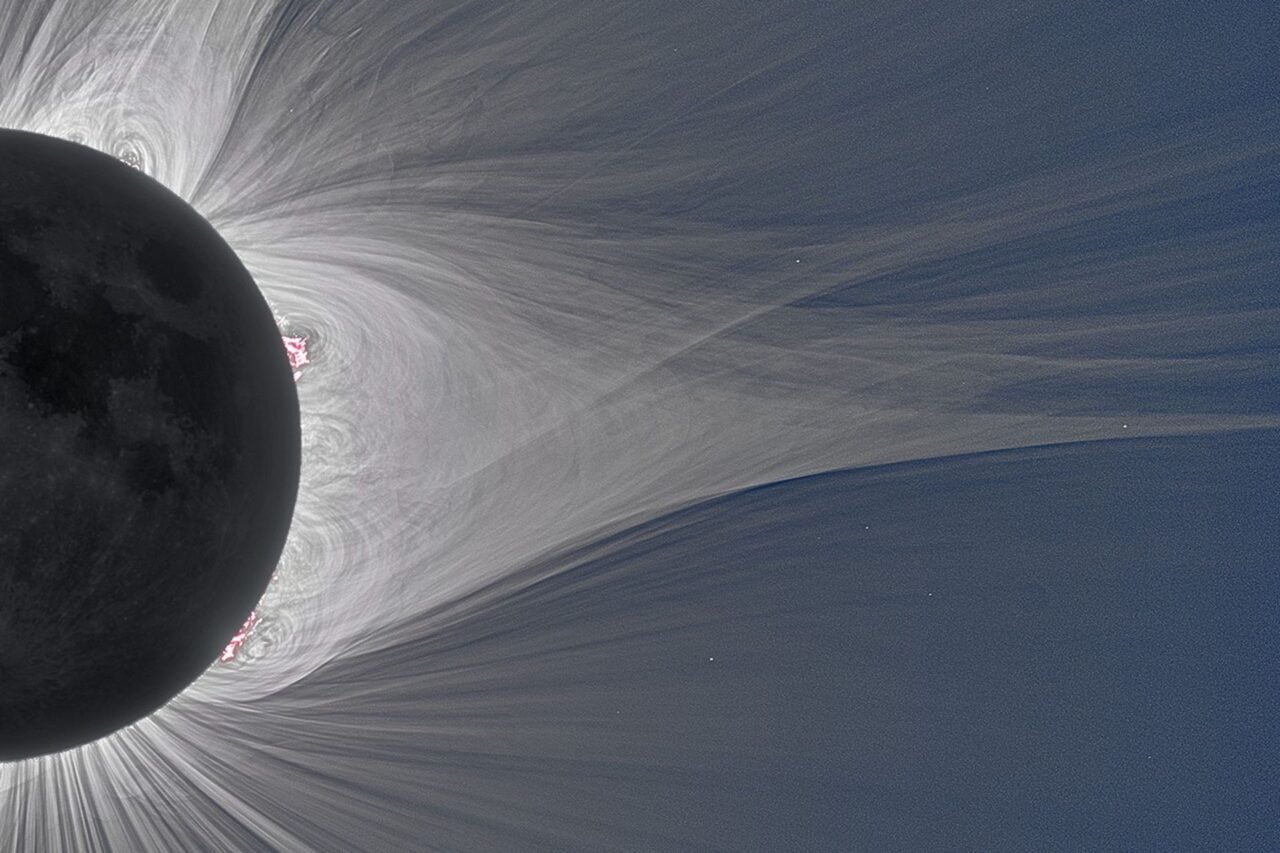
The European Space Agency’s Proba-3 mission just changed the game for solar scientists.
A recent Venus flyby pushed the spacecraft out of Earth's orbital plane, allowing it to gaze at the solar poles.