Space is facing an energy crisis, at least according to a Florida-based startup that’s set out to solve it by creating a network of spacecraft designed to beam power to satellites through lasers.
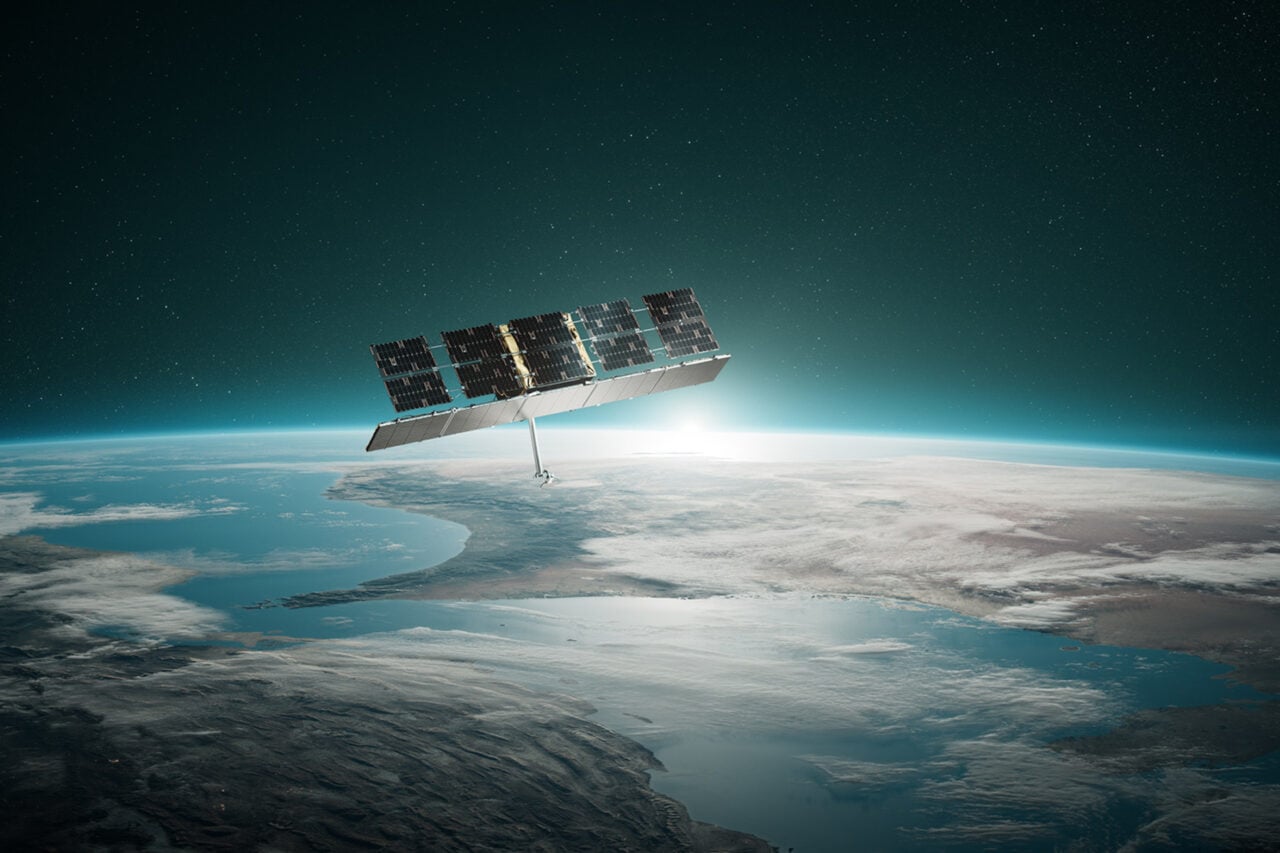
Star Catcher is gearing up for the launch of its prototype satellite, dubbed Protostar, to test its technology in space for the first time. Protostar will launch on board SpaceX’s Transporter-18 mission no earlier than Thursday and attempt to transmit energy to another satellite in orbit.
If successful, this would mark the first time lasers have been used to beam energy between two untethered spacecraft in orbit. “This mission will yield critical operational data in real-world orbital conditions that will directly support the build out of our commercial power grid in space,” Michael Snyder, co-founder and CTO of Star Catcher, said in a statement.
Power on
Star Catcher was founded in 2024 with the aim of building a power grid in space to help support the growing orbital economy. According to the company, satellites can’t generate enough power on their own to keep up with the growing demand of modern space missions like providing direct-to-cell connectivity, AI-powered Earth observations, and agile maneuvering for defense applications.
With its space-based power grid, Star Catcher aims to use its network of spacecraft to collect sunlight in orbit and convert it to wavelengths that can be transmitted to solar panels attached to satellites. The array of so-called power nodes gathers sunlight using a collection of lenses and refines it to optimized wavelengths that the company claims can provide up to two to 10 times more power.
The company has already tested its power-beaming technology on Earth, using a suite of multi-wavelength lasers to deliver more than 1.1 kilowatts of electrical power to commercial off-the-shelf solar panels. The series of tests, which were conducted at NASA’s Kennedy Space Center in late 2025, paved the way for the upcoming orbital demonstration.
Beam me up
During the upcoming mission, Protostar will deploy a cubesat with an off-the-shelf solar panel attached to it. The satellite will then track the cubesat and attempt to beam a measurable amount of power to its solar panels.
The mission will be the first end-to-end in-space demonstration of the company’s core technologies, testing its satellite’s energy harvesting, satellite acquisition and tracking, and power transmission.
Protostar is a small-scale version of the satellites Star Catcher eventually plans on launching, aiming to get an operational power grid in orbit by the end of the decade. “Every major application driving the space economy—from real-time national security intelligence to AI-powered orbital computing and Earth observation—is limited by power,” Andrew Rush, co-founder and CEO of Star Catcher, said in a statement. “We are closer to activating an orbital power grid than most can imagine.”