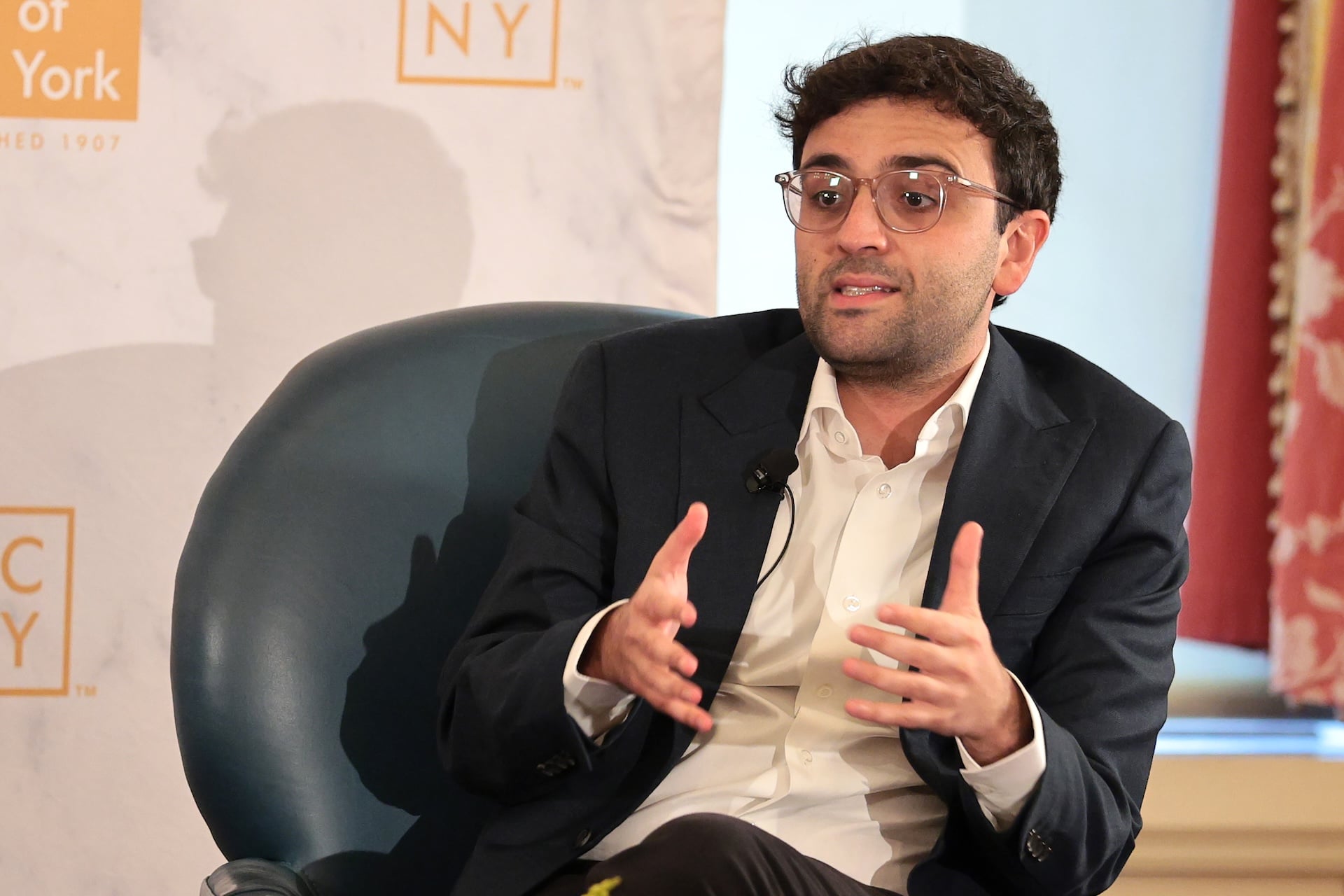
Utah’s Attorney General filed criminal charges against Kalshi and two top executives on Wednesday, alleging the site promotes gambling in violation of state law. Utah had already filed a civil suit against Kalshi on Oct. 20, but the criminal charges certainly raise the stakes, especially as the Trump administration has swooped in to protect the so-called prediction markets.
On Wednesday, Utah’s Attorney General Derek Brown filed charges against Kalshi co-founders Tarek Mansour and Luana Lopes Lara, including 12 counts of online gambling promotion, a third-degree felony, one count of a pattern of unlawful activity, a second-degree felony, and general gambling promotion, a Class A misdemeanor.
The civil lawsuit calls Kalshi a “back-alley gambling den,” and Attorney General Brown didn’t mince words in a statement to Gizmodo.
“Gambling is illegal in Utah, whether you place the bet, run the game, or promote it. Calling it a ‘prediction market’ doesn’t change what it is, and being federally registered doesn’t put a company above the law,” said Brown.
“A federal court has already ruled that Utah’s gambling laws apply to Kalshi,” continued Brown. “Kalshi kept taking bets from Utahns anyway. That is illegal, and we’re putting a stop to it.”
Sites like Kalshi and Polymarket prefer the term prediction market because there is no house and the odds are set by users as they bet against each other. But the average person really doesn’t see a difference, no matter who’s taking the bets. It’s still broadly understood as gambling.
While Utah is among 11 states that have brought civil charges against Kalshi, it’s only the second to bring criminal charges. Arizona brought criminal charges back in March, but every count is a misdemeanor.
Reached for comment Thursday, a spokesperson for Kalshi told Gizmodo, “This is a crazy overreach; Utah is clearly playing politics. We look forward to putting a stop to this in court, just like we did in Arizona.”
The Commodity Futures Trading Commission (CFTC) has been jumping into action to protect Kalshi and Polymarket by filing lawsuits against any state that brings charges against the betting sites. President Trump’s son, Donald Trump Jr., is a paid advisor to both companies.
The CFTC announced Wednesday that it was suing the state of Utah as part of its “commitment to maintaining its exclusive jurisdiction over CFTC-registered prediction markets.” The argument is that the feds alone should be regulating these sites.
“Utah seeks to shut down prediction markets across a wide variety of markets,” CFTC Chairman Michael S. Selig said in a statement.
“Event contracts do not just serve hedging and investment purposes—they also provide the public with information about the outcome of future events. Congress entrusted the CFTC to be the federal regulator with sole responsibility to oversee these markets,” continued Selig.
“As I’ve said before, the CFTC has the expertise and responsibility to defend its exclusive jurisdiction over commodity derivatives, and that’s exactly what we’ll do.”
It’s not clear whether the CFTC will bring any new legal action against Utah over the criminal charges filed against Kalshi on Wednesday. The CFTC didn’t immediately respond to questions emailed Thursday. Gizmodo will update this article if we hear back.