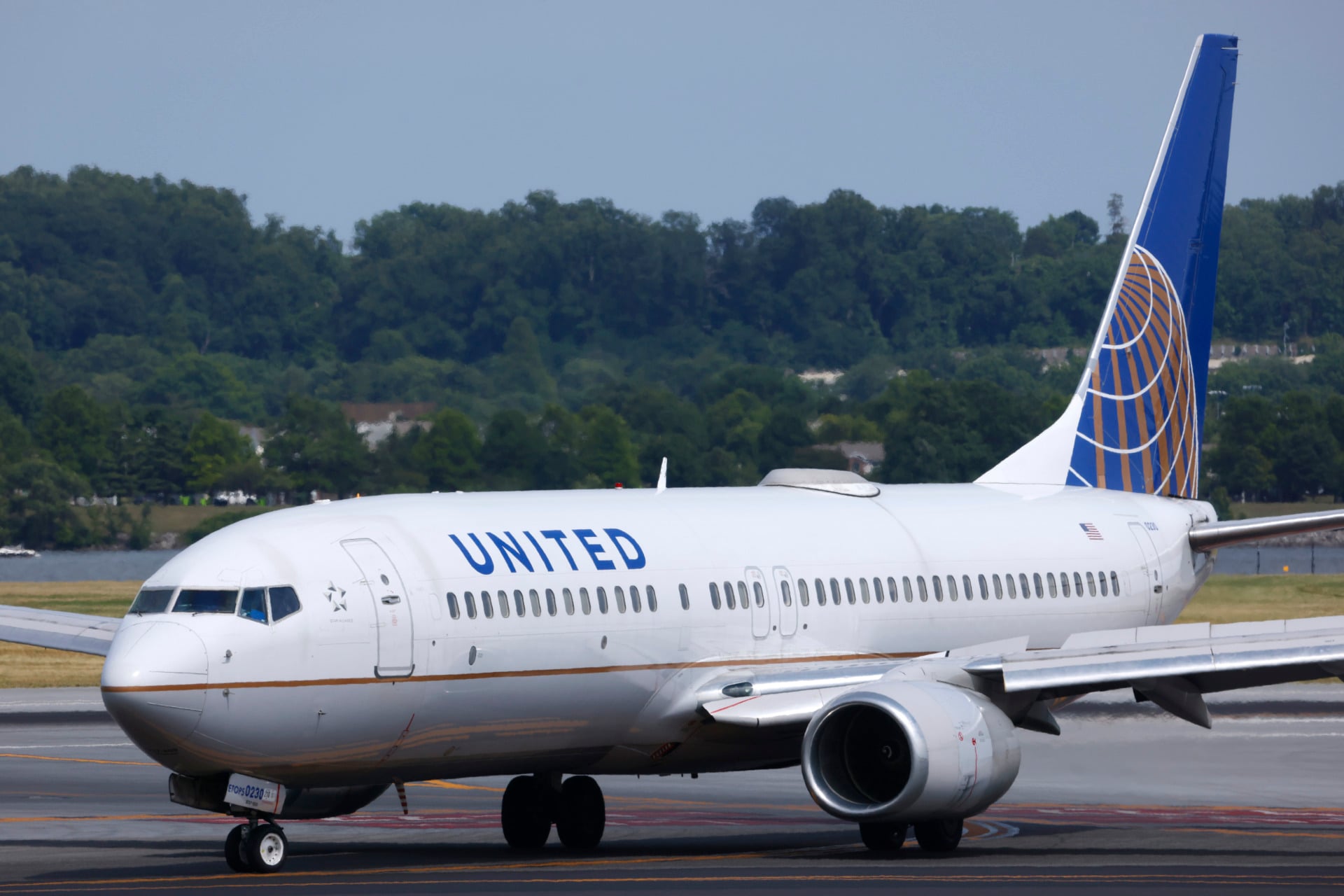
United Airlines says that the war between the United States and Iran has cost the airline an additional $6 billion in jet fuel payments this year.
The skyrocketing price of jet fuel is not only a pain for the airline industry, but it has also become a headache for passengers, as airlines increase fares and cut down on flight capacity to make up for the increased expense.
The United States and Israel attacked Iran on February 28th, and in retaliation, Iran promptly shut down virtually all traffic through the critical oil chokepoint of the Strait of Hormuz. The move completely paralyzed the global energy trade and created a massive jet fuel shortage.
Last month, the global airline industry’s trade organization, International Air Transport Association (IATA), said that it expects airline profits to be slashed in half this year because of the shortage. The head of the International Energy Agency called it “the largest energy crisis we have ever faced” back in April, and the jet fuel shortage and accompanying price hikes were also noted as the final drop that pushed the bankrupt Spirit Airlines over the edge, causing it to cease all operations earlier this year. The director of IATA said last month that he expects more airlines to follow Spirit’s fate, or get acquired by larger competitors due to the rising fuel costs.
Things were looking relatively up until very recently. Last month, the U.S. and Iran signed a memorandum of understanding, a 14-point document that laid out the groundwork for a potential ceasefire and a reopening of the Strait of Hormuz. Since then, traffic through the strait slowly began to increase, until last week, when military tensions escalated, and the two nations resumed military strikes. Or, as President Trump chose to explain the situation on NBC’s Meet the Press on Sunday: “We bombed the hell out of them last night.” Iran promptly shut traffic down again following the military exchanges, while the Trump administration has reinstated its naval blockade
In its second-quarter earnings report published on Wednesday, United said that with the cost of fuel at its current level, it plans to spend $6 billion more this year than previously expected. In the past quarter, fuel cost $2.3 billion, a figure 84% higher than the same time period last year.
In an investor update published with the earnings report, United also said that if fuel prices continue to remain high, it was prepared to further cut capacity goals. With no clear end to the conflict in sight and jet fuel prices fluctuating constantly, it might be smart for both passengers and airlines to be on the wary side. Even if jet fuel costs were to come down soon, jet fuel prices and air fares are unlikely to, according to United’s rival Delta.
Last week, Delta Air Lines CEO Ed Bastian, whose company saw a 75% increase in its jet fuel expenses from last year, said that ticket prices are likely to remain high even as the price of oil drops. That’s largely thanks to high demand for air travel and an airline industry that won’t rush to expand capacity when the price of oil falls, having learned from past mistakes, Bastian told CNBC.