Has the price of the $1,050 Steam Machine got you feeling gloomy about the price of gaming hardware? Valve’s Steam Frame VR headset will cost nearly the same amount for its lowest-end memory spec. If that hasn’t deterred you, then there are a few good reasons why you should be paying attention to Valve’s return to gaming-focused virtual reality.
After initial delays, Valve has finally shared Steam Frame pricing and preorder details. The headset starts at $1,060 for the version with 256GB of SSD storage. If you want a 1TB version, that will cost you $1,300. For comparison, that is much more expensive than a $600 Meta Quest 3 with 512GB of storage, and it’s especially pricey compared to the Meta Quest 3S that starts at $350 packed with 128GB of storage. The main reason you buy this headset above Meta’s brand is if you only want to use VR for gaming or if you just can’t stand the idea of strapping on a Zuckerberg-made headset.
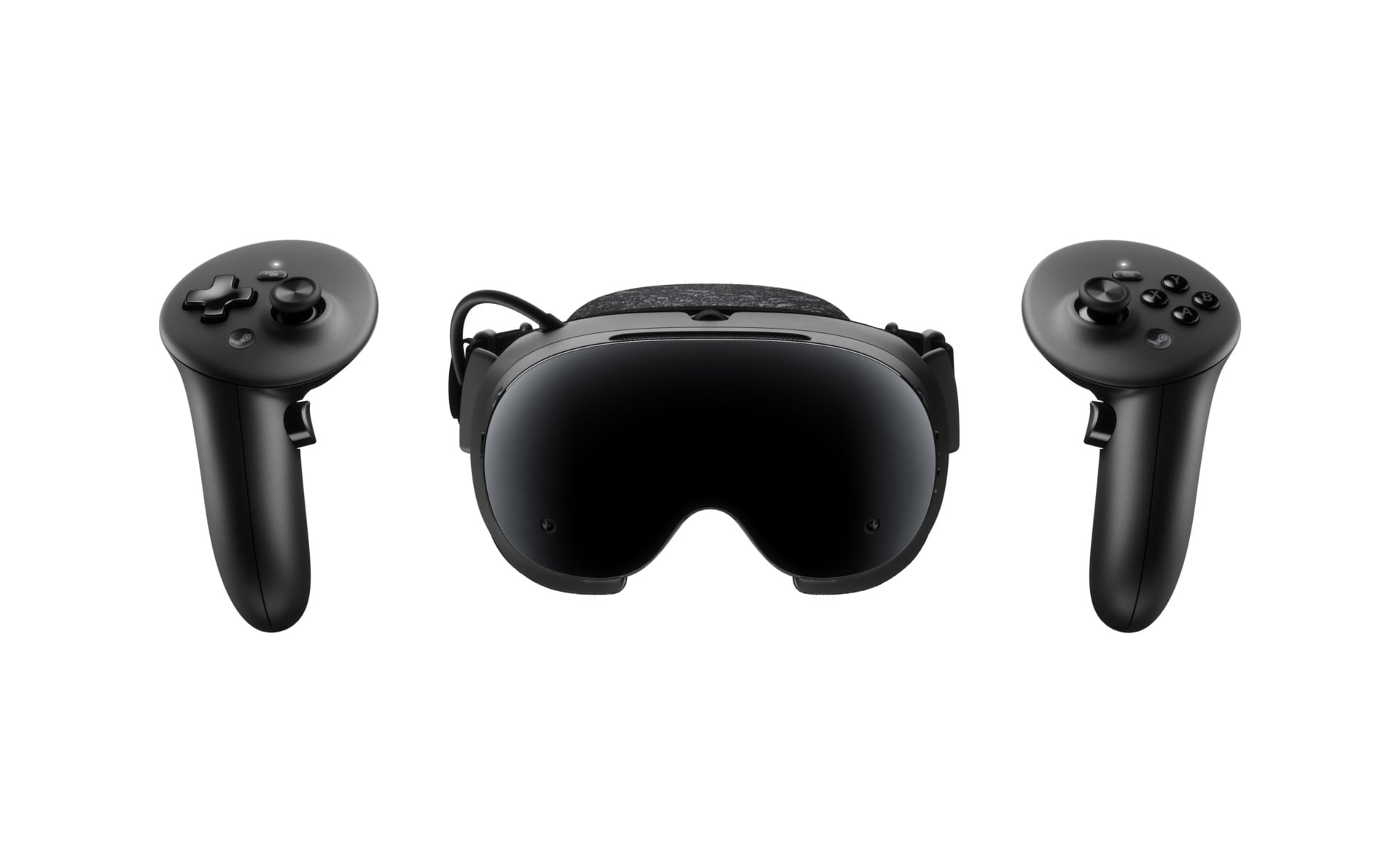
Valve is also selling a separate Ergonomic Accessories Kit for $60 that comes with special head and controller straps, plus an extended light blocker for people with tiny noses. Valve will also sell you a separate power brick for $30 to support the Steam Frame’s max 45W of power delivery.
Valve’s first headset, the Index, hit the scene in 2019 for $1,000. It came with the two controllers and base stations needed to play it. The Valve Steam Frame is an all-in-one device that comes with two Quest-like controllers, and it can run completely wirelessly while playing some games natively (there are currently 130 “Great on Steam Frame” titles available on Steam). Otherwise, it’s a headset built to stream from your PC with minimal latency using the included wireless dongle. Valve promises that support for streaming from a Steam Machine will come at a later date.
As was the case with the Steam Machine, Valve won’t let you simply log onto your Steam account and smash the buy button. Instead, starting Monday, Valve says users will be able to throw their names in the hat for a waitlist. You will have a chance to purchase a console so long as you have a Steam account that has previously purchased something from the Steam store. Starting on Sept. 17, Valve will send out emails to those lucky gamers who are on the reservation list, while the unlucky few will be positioned randomly on a waitlist. The first people able to buy a headset should receive emails starting Sept. 18.
The Steam Frame runs on the Qualcomm Snapdragon 8 Gen 3 mobile chipset and has a standard 16GB of RAM. This also means the headset is based on ARM architecture, though it’s effectively a PC running a version of Linux. Valve is relying on its own blend of emulation, called Fex, which is supposed to translate games built for the standard x86 microarchitecture and make them playable on the headset. You can find out in our full review how well this device can play less-demanding indie titles as well as more graphically demanding games. Suffice it to say it’s a mixed bag.
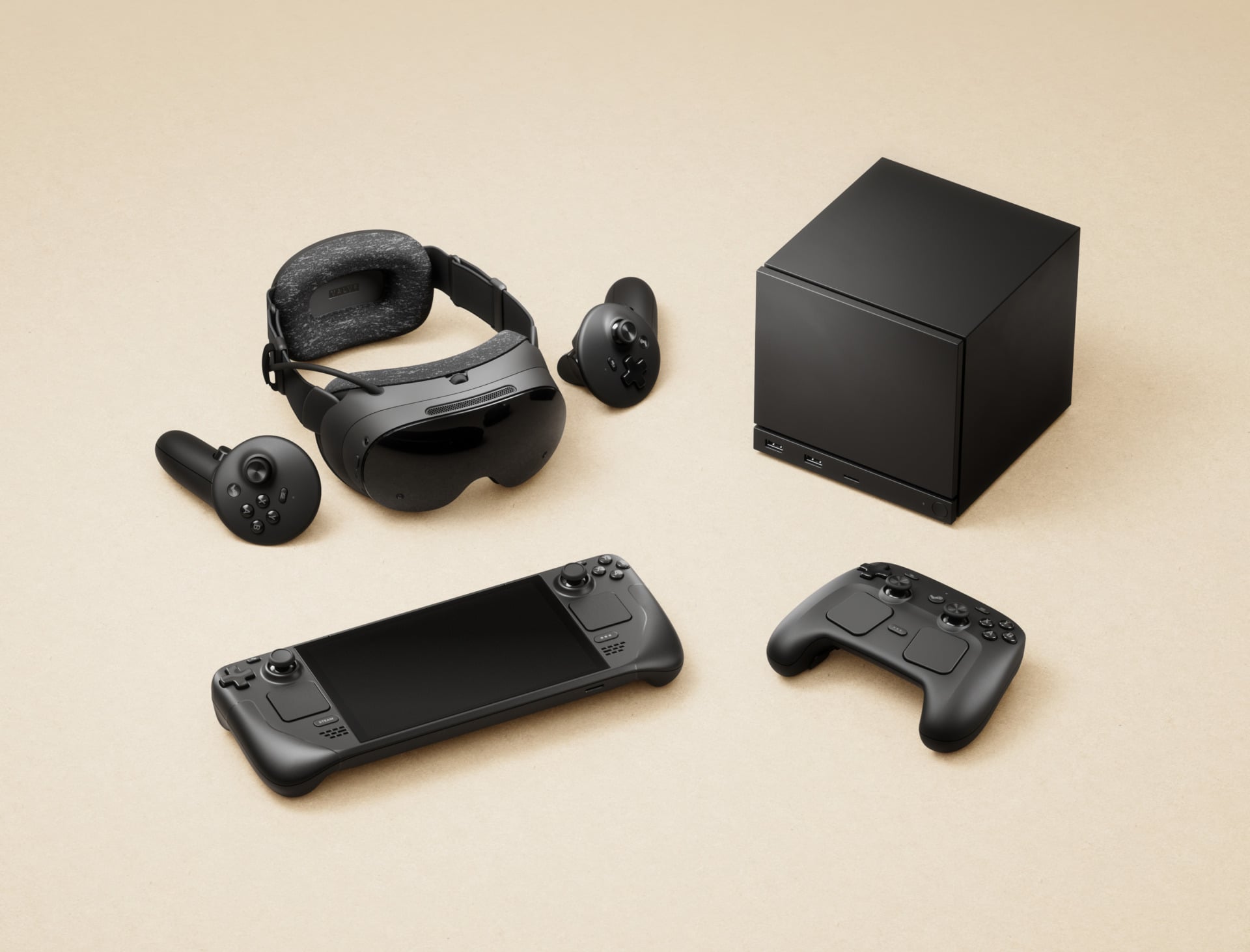
Valve’s follow-up to its Index VR headset loses the need for any body- and hand-tracking base stations and instead supports fully wireless streaming and—more importantly—native game support. Valve says you’ll be able to play current ARM64-compatible titles, though you may need to see which games are certified playable with a “Steam Frame Verified” sticker.
Otherwise, Valve promises you’ll be able to stream other VR and 2D titles from a PC or a Steam Machine (though Valve tells Gizmodo that support won’t come until a later date). This should be more efficient on Steam Frame than on other headsets thanks to “foveated streaming,” a process that increases the bitrate on elements in a scene players are actively seeing through the Steam Frame’s 110-degree FOV (field of view). Streaming capabilities are really where the headset is best, if you want to know the main reason to buy this headset.