What good is investing in offense if you’ve hobbled your own defense?
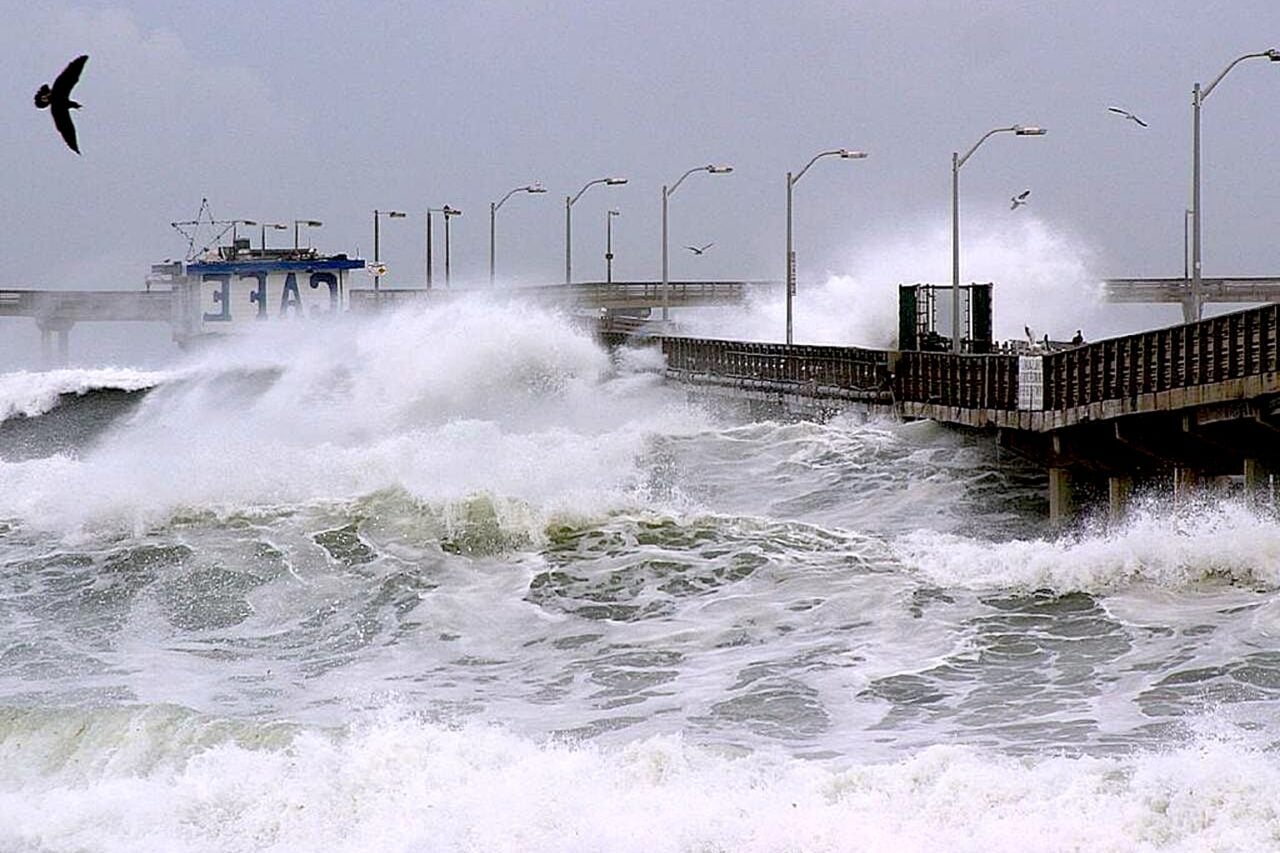
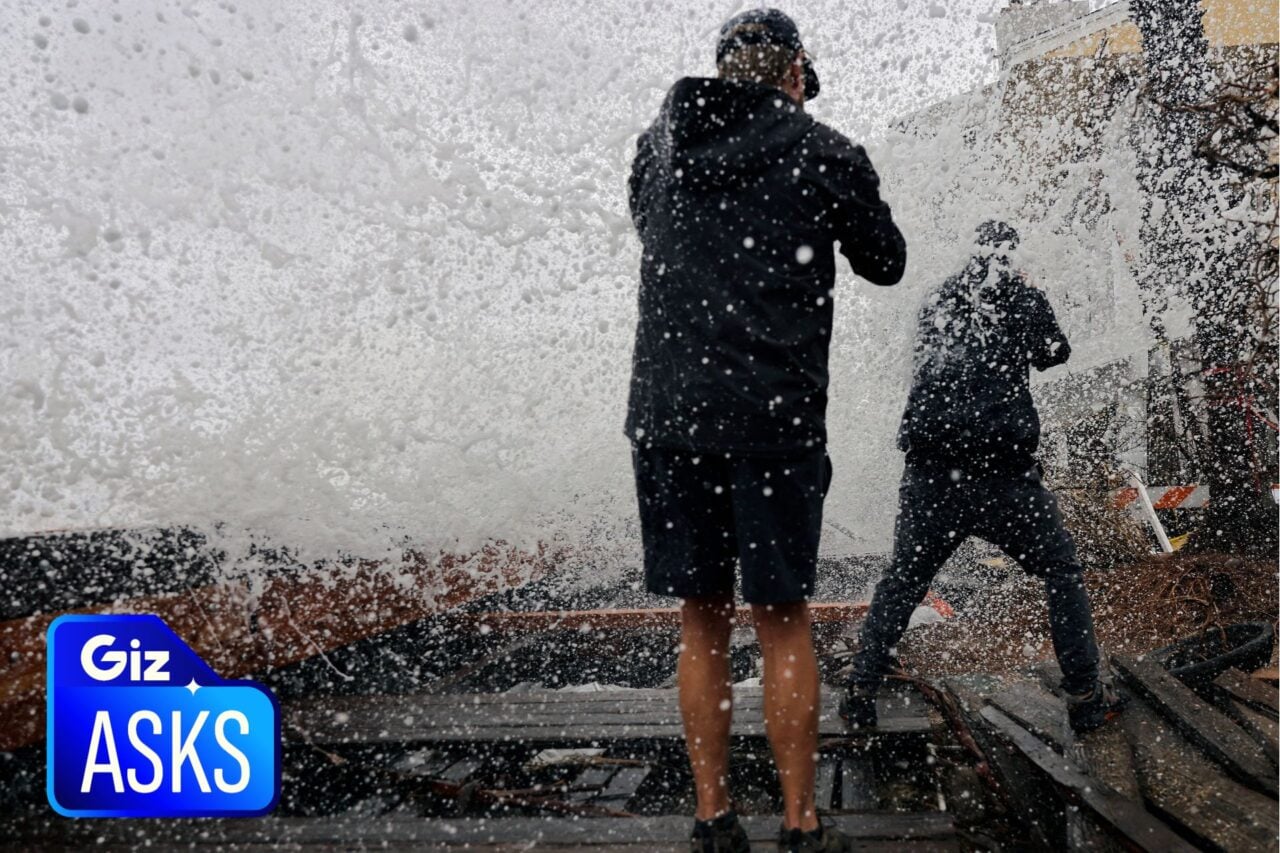
Climate scientists warn that the heat expansion already raising some Pacific sea levels by 1.3 feet this El Niño season will become even more deadly thanks to the Moon itself.
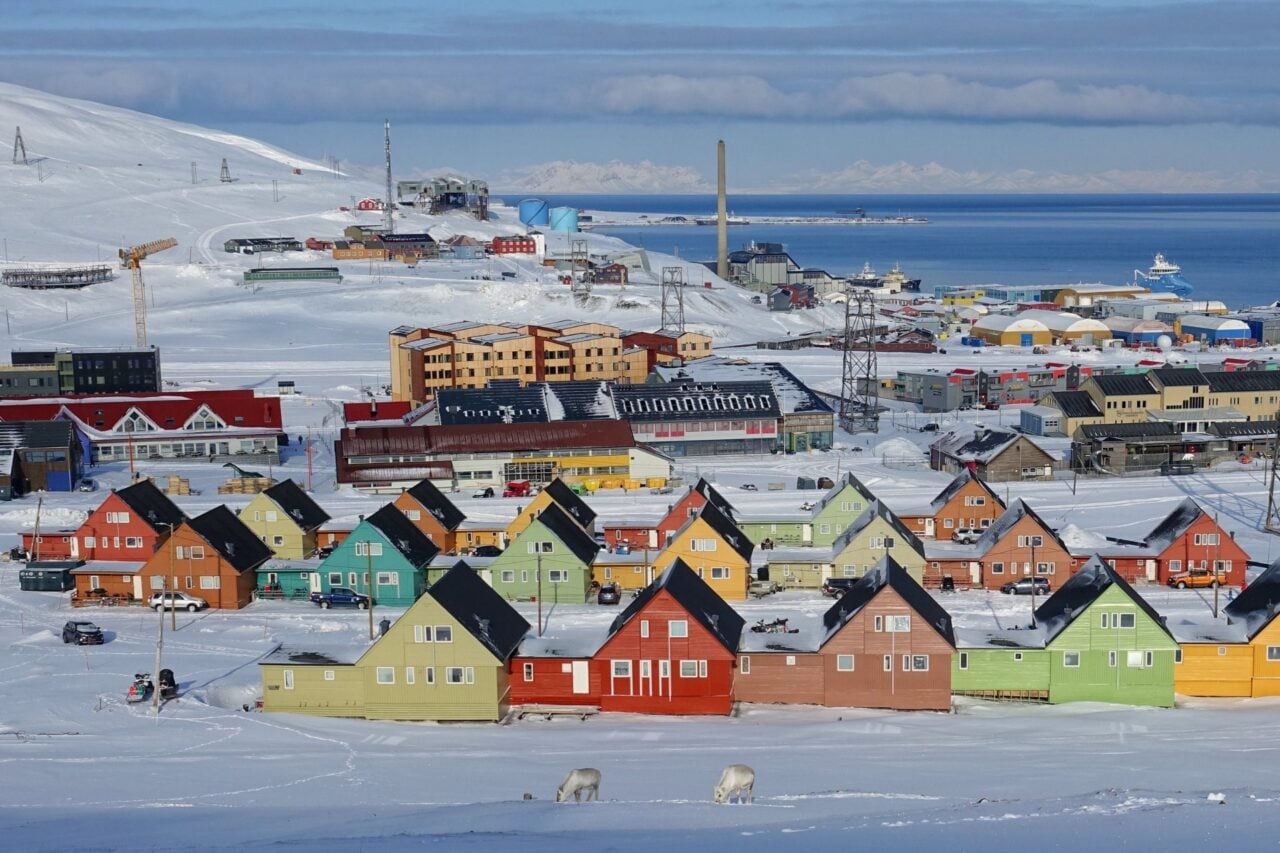
The world's fastest warming town is facing a drinking water crisis.
The many consequences of climate change are already unfolding across the U.S., and some require more urgent attention.
Yelp searches for "air conditioning near me" were up 145% in the summer of 2026.
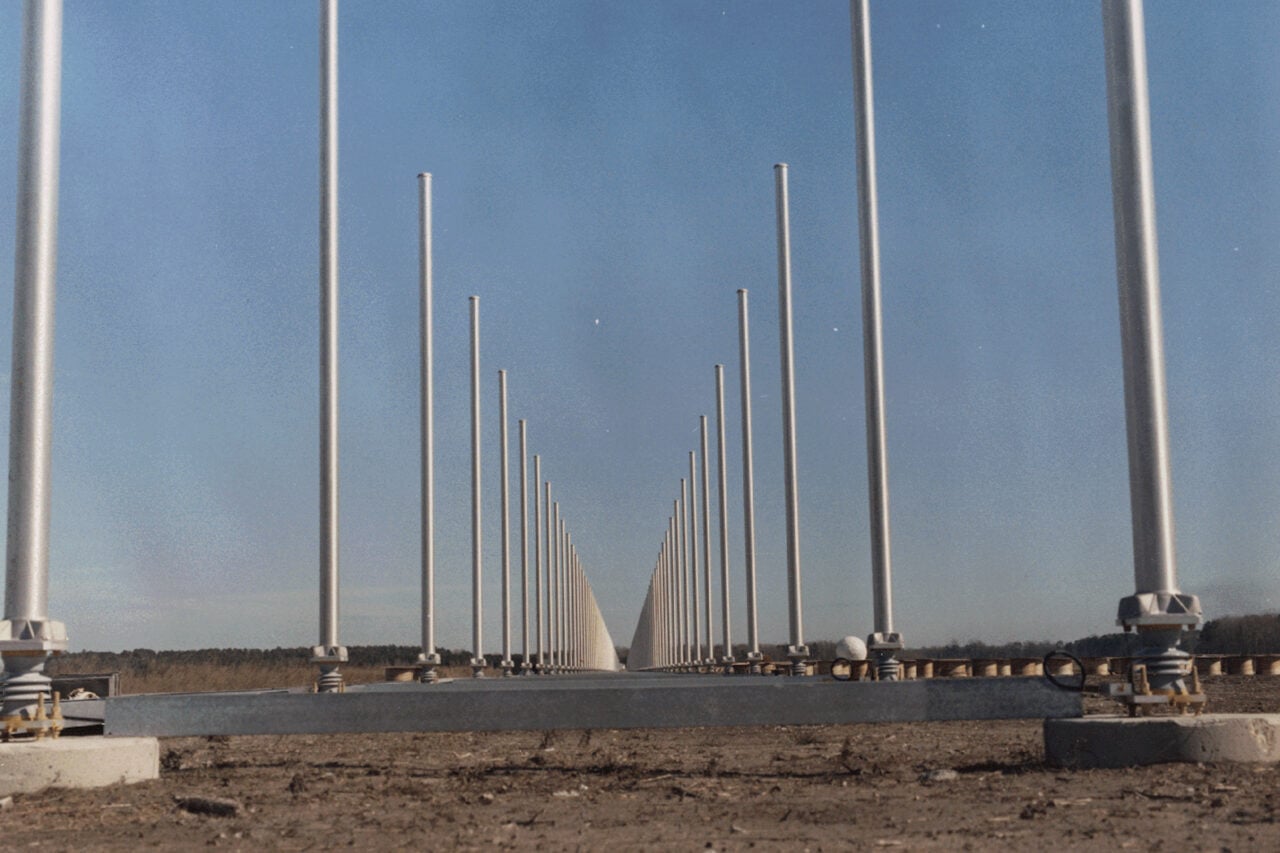
An effort to bounce radar off the ionosphere across vast distances was too late for the Cold War, but it may help make Arctic shipping lanes safe.