There seems to be some confusion around who has the authority to approve the release of new AI models in the United States.
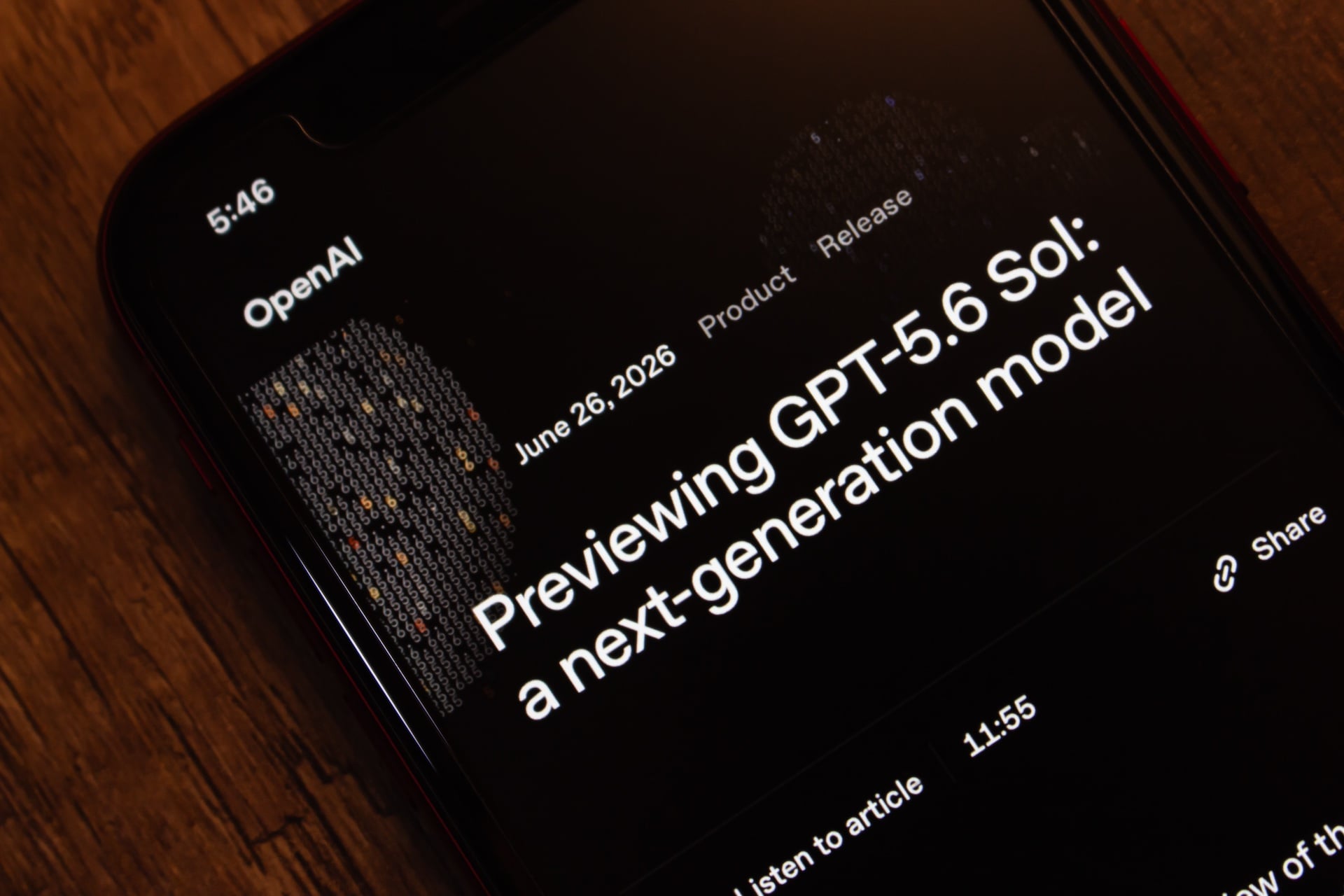
OpenAI announced in an X post on Tuesday night that its latest model, GPT-5.6—which comes in three tiers: Sol, Terra, and Luna—will be publicly available starting tomorrow, July 09. The model was first introduced last month, with OpenAI announcing in a blog post that it would initially be rolled out solely to a small group of government-approved partners. Previously, company CEO Sam Altman had reportedly told employees in an internal memo that the government would be granting access to the model on a “customer by customer” basis.
Axios reported this morning, citing an anonymous source, that the decision to make Sol, Terra, and Luna publicly available followed a “green light” from the Trump administration. OpenAI has been collaborating with the Department of Commerce’s Center for AI Standards and Innovation to test the new model for potential national security risks, and the company has sent technical experts to Washington DC, where they’ll remain to continue working with federal officials, the outlet said.
The implication from the Axios report is that OpenAI required some kind of official permission before it could proceed with the public release of GPT-5.6. If that’s in fact the case, then it seems to contradict the Trump administration’s own (at least public) directive on how AI models can be deployed in the U.S.
In an executive order published June 02, the president proposed a safety testing framework through which AI companies would voluntarily grant federal officials access to new models for 30 days before public release. The framework, according to the order, would under no circumstance include “a mandatory governmental licensing, preclearance, or permitting requirement for the development, publication, release, or distribution of new AI models, including frontier models.”
The federal government denies the claim made by the anonymous source in Axios’ report. “The Trump administration did NOT give OpenAI a ‘green light,’ approval, or clearance to release its models,” a White House spokesperson told Gizmodo. “No such permission is required or granted. The administration does not provide approvals for private companies to release AI models—decisions on timing and scope of releases rest entirely with the companies.” OpenAI did not immediately respond to a request for comment.
The White House, however, has plenty of levers it can theoretically pull if and when it wants to delay or halt the release of a particular model. This was of course most brazenly illustrated last month, when the Department of Commerce ordered Anthropic to block access for all “foreign persons” to the company’s newest models, Fable 5 and Mythos 5, ostensibly due to national security concerns. The order effectively forced Anthropic to take both models offline for all customers and was met with widespread confusion and frustration from both cybersecurity and legal experts.
When a modified version of Fable 5—one with even more restrictive cybersecurity guardrails than the original—was released last week, Anthropic said its own internal testing had shown that the cybersecurity capabilities that had allegedly prompted the Trump administration’s export ban could also be demonstrated by a host of other, already generally available models, including earlier versions of Claude and OpenAI’s GPT-5.5.