The entire Apple ecosystem is being segregated, dividing users into those who have AI and those who don’t have AI. The updates to iOS 27, macOS 27, and watchOS 27 mean some users will be gatekept from some or all new Apple Intelligence or AI-ified Siri features—effectively creating a second class of users who will be stuck staring through the bars of a fenced-off area within Apple’s own walled garden.
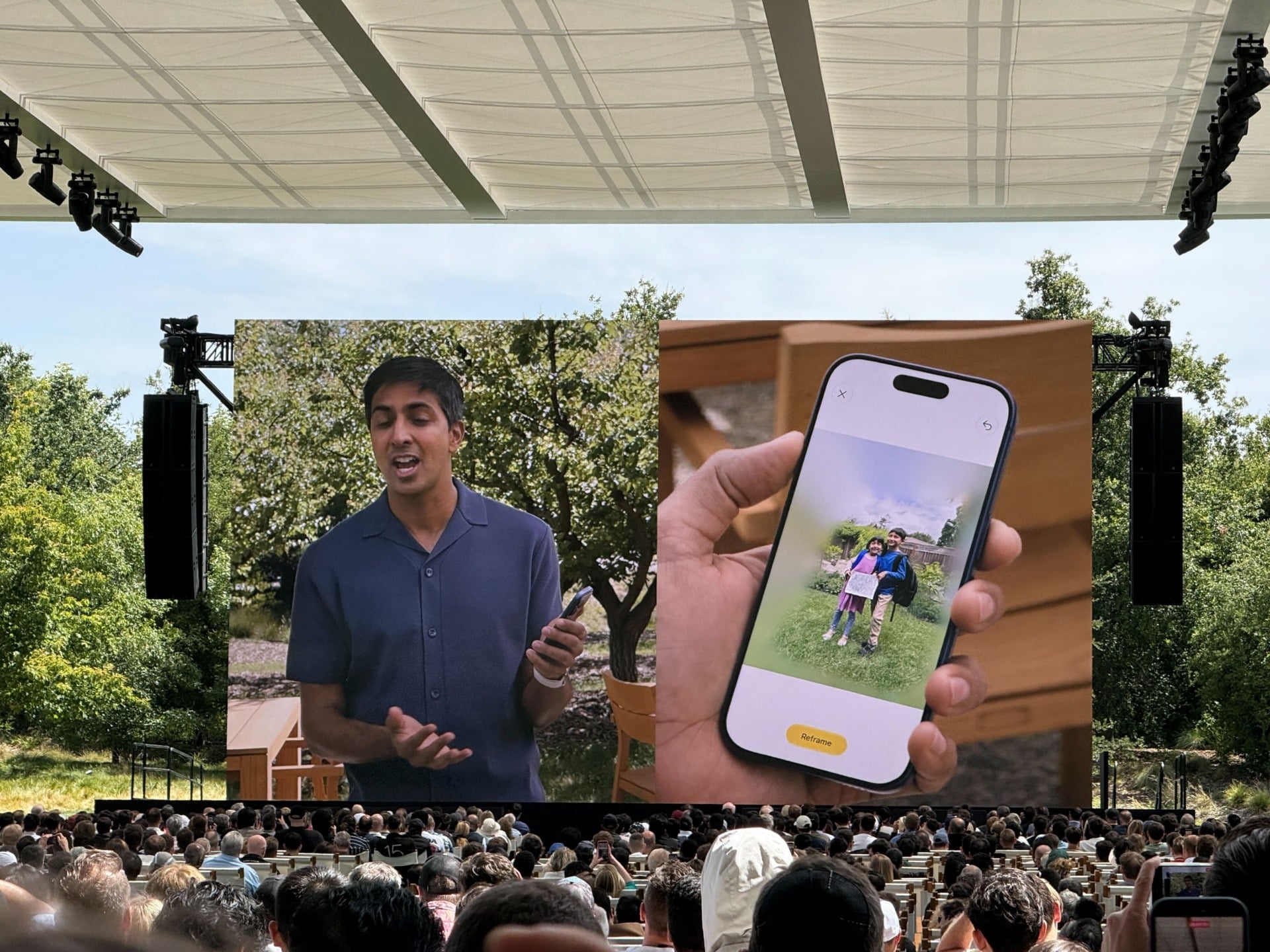
Everything about the new updates announced at WWDC 2026 depends on whether or not your device is capable of running some or every aspect of the new Apple Intelligence capabilities—which will be available both on-device and through the cloud—such as the AI-enhanced Spotlight on Mac or Photo Clean Up on iPhone. What AI capabilities users get access to will wholly depend on the age of your device—not necessarily the amount of memory built in.
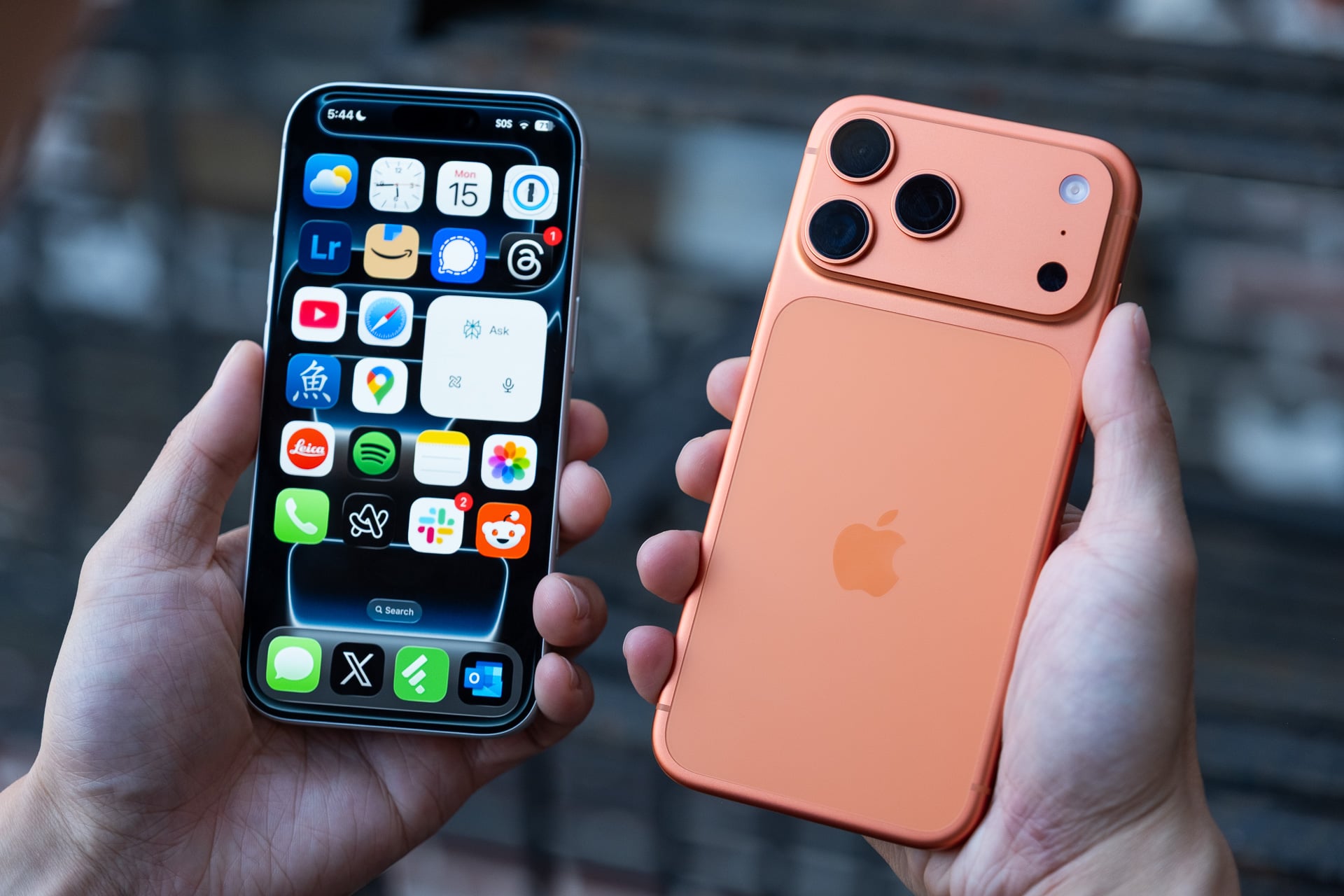
A paltry few devices in Apple’s larger lineup will claim access to the “most-powerful on-device” AI models. As far as smartphones go, that list only includes the iPhone 17 Pro and iPhone Air—both devices that come packed with 12GB of unified memory. For tablets, you’ll need an M4 iPad Air or an iPad Pro from the last two years. Macs have it slightly better, since the new models will come to M3-based Macs or later. That seems to include MacBook Air models that packed just 8GB of unified memory.
These “most powerful” models relate to specific features, namely the promised “expressive voices” to make Siri sound more human along with more precise dictation across the device. While you may not care too much about these features, it’s jarring that Apple is restricting users of 2- and 3-year-old devices from the supposed glory of AI Siri altogether.
Only the iPhone 15 Pro or later smartphones will get access to the improved Siri. The MacBook Neo includes the iPhone 16 Pro’s A18 Pro chip, so it will feature some—but not all—new AI features. All iPhones past the iPhone 11 will still have support for iOS 27. You just won’t get every feature or any future feature built around Apple Intelligence.
Even if you have a recent device, you may be limited based on how much you’re willing to pay for an iCloud subscription. In its release describing these features, Apple wrote that “some Apple Intelligence features, including image generation, have daily usage limits because they rely on powerful server models.” Increased access is available with most iCloud+ subscription plans, which also include Apple Intelligence support for compatible Home cameras.”
All in all, there’s a new caste system among Mac, iPad, and iPhones, and odds are you may be one of those stuck on a lower rung. Over at the top, benevolent ruler Apple will claim its new update is still worthwhile thanks to performance improvements. Even that may not mean much, though. For example, while Apple claimed app loading times are 30% faster, the device this was tested on was a 2019 iPhone 11 Pro Max, not any device from the past half-decade. Still, as bad as it is for older iPhone users, it’s nothing compared to the situation surrounding the Apple Watch.

Apple hasn’t helped contain any of this confusion. Just after its WWDC 2026 keynote, where it unveiled these new Siri features, official company websites across the Appleverse displayed incorrect information about which devices would or would not get the updates. Apple’s watchOS page initially said the Apple Watch Series 9 was not compatible with watchOS 27, though the company later clarified to Gizmodo that the 2023 watch was indeed supported. It took the company hours after the keynote broadcast to update all its various sites.
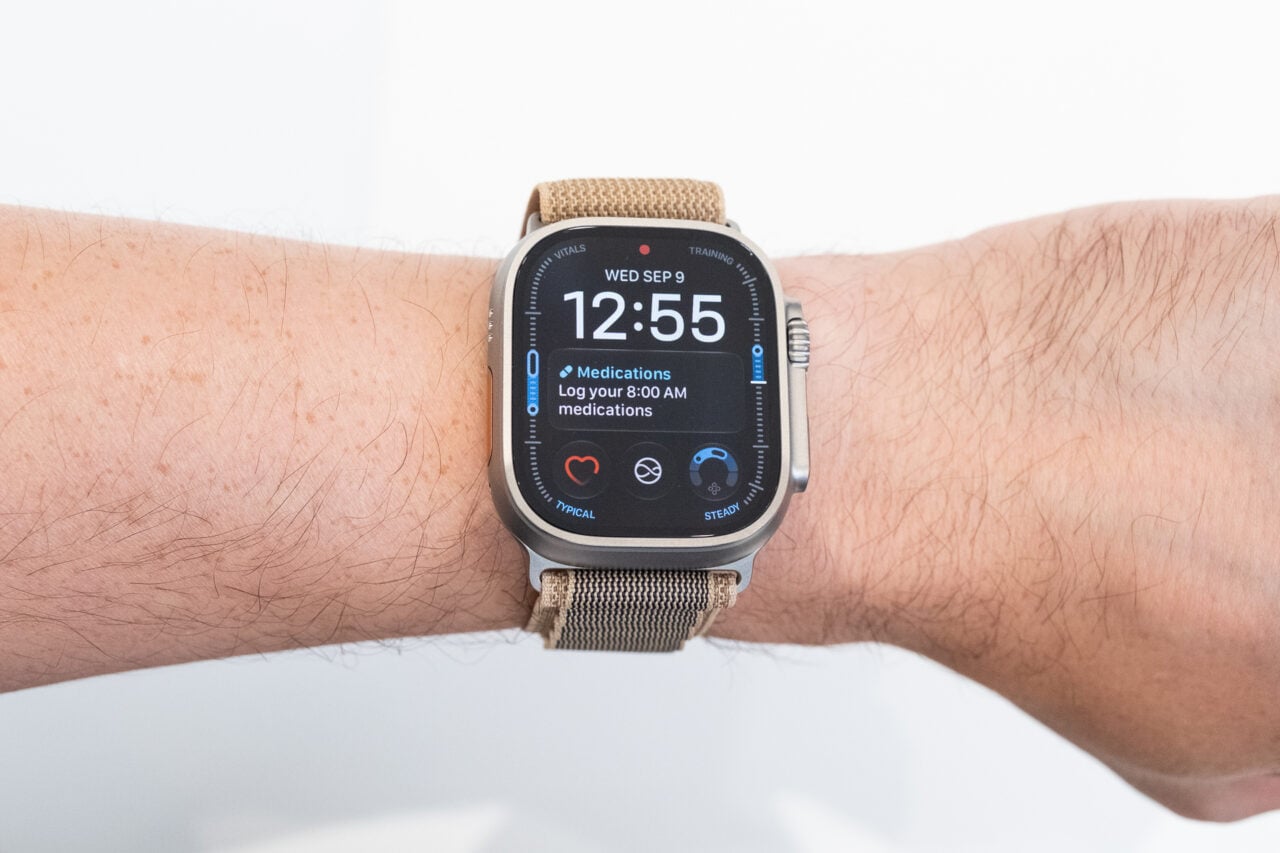
Even if you can get the watchOS 27 beta working on a 2023 Apple Watch Series 8 or older, you likely won’t be able to download the full update when it arrives this fall. An Apple Watch Ultra 2 or later, Apple Watch Series 9 or later, and the Apple Watch SE 3 will all claim support for the new operating system, though only when paired with an iPhone that supports iOS 27.
Sure, you may not care about any of these new AI features and Siri’s potentially bogus AI responses to your inquiries. The problem is what may come in the future. Apple will pour more time and energy into Apple Intelligence features, and as time goes on, you’ll miss out on more and more. If the point is to incentivize upgrades, then creating a walled community you have to pay to access will only help bifurcate the Apple ecosystem even more than it already is.