Blue Origin’s New Glenn rocket suffered a malfunction during its third flight, placing its payload in a lower orbit than planned. The anomaly deals a blow to the company, which was aiming to increase the launch cadence of its heavy-lift launch vehicle.
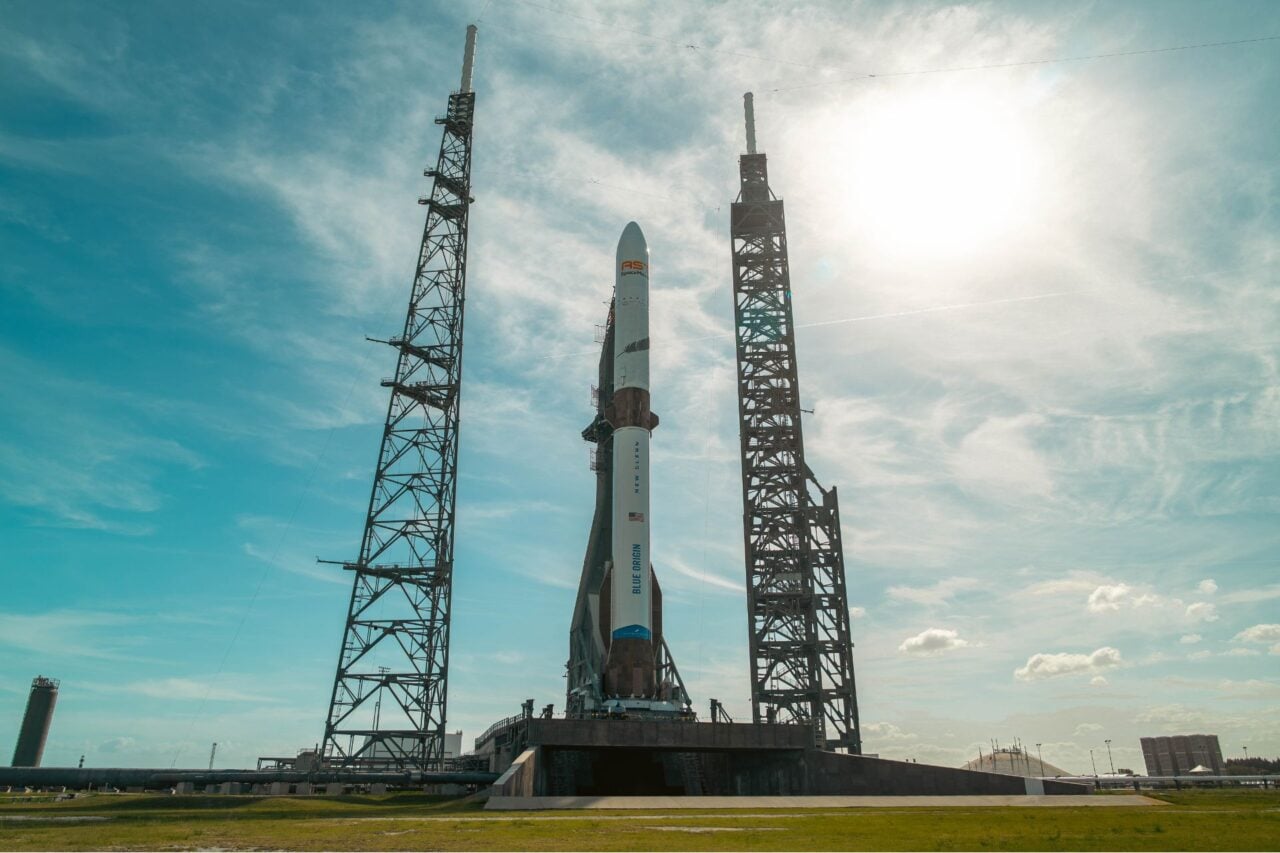
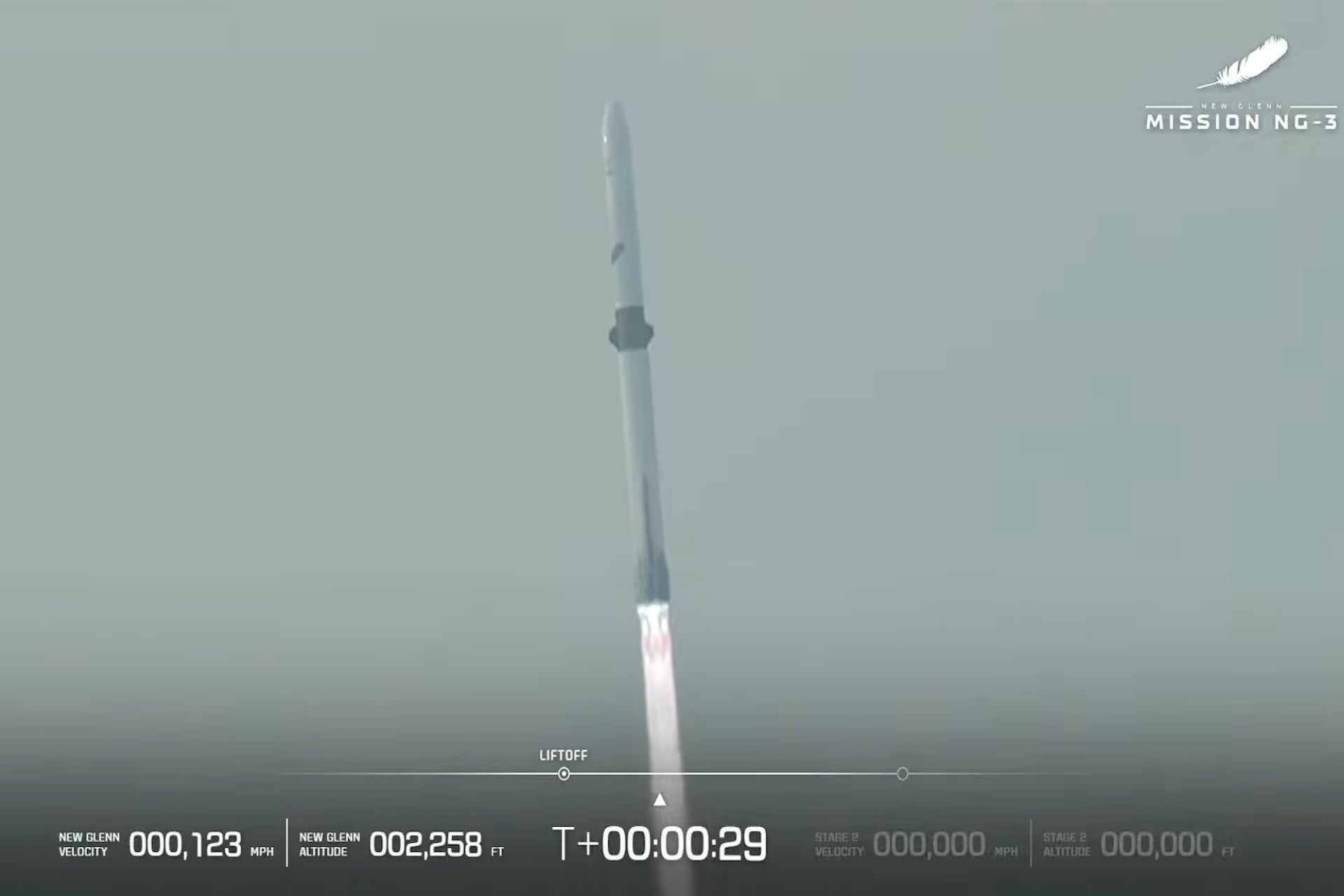
New Glenn lifted off on Sunday at 7:25 a.m. ET from Cape Canaveral Space Force Station in Florida. The rocket was carrying AST SpaceMobile’s BlueBird 7 satellite, part of a constellation of massive satellites designed to provide direct connectivity to smartphones. About an hour after the scheduled payload separation, Blue Origin revealed that the satellite was placed in an “off-nominal” orbit.
AST SpaceMobile later confirmed that while the satellite separated from the rocket and powered on, “the altitude is too low to sustain operations with its on-board thruster technology and will de-orbited,” the company wrote in a statement.
The Federal Aviation Administration has grounded New Glenn as it launches an investigation to determine the root cause of the anomaly, according to the Orlando Sentinel. The rocket’s return to flight is based on the administration determining that the mishap did not pose a threat to public safety.
Initial success
New Glenn’s third mission, NG-3, used the same booster that launched NASA’s twin ESCAPADE Mars probes on November 13, 2025. Blue Origin refurbished the booster, named “Never Tell Me The Odds,” for the first re-flight of a New Glenn first stage as a mark of the rocket’s reusability.
Three minutes into Sunday’s flight, the booster switched off its engines and began its descent back to Earth. The booster successfully touched down on a landing platform, named Jacklyn, in the Atlantic Ocean around nine minutes after liftoff.
The landing was a huge success for the company, with the booster proving itself for the second time around. Blue Origin has reused its New Shepard rocket’s smaller, suborbital booster several times before, but New Glenn is roughly five times larger and is intended for much wider commercial use.
New Glenn’s reusability is crucial for the company’s goals of ramping up the rocket’s launch rate to meet the demands of its customers. With New Glenn, Blue Origin is hoping to compete with commercial launch providers such as SpaceX and its reusable workhorse, the Falcon 9 rocket.
A not-so-perfect mission
The success of the booster’s touchdown was partially overshadowed by the anomaly that followed. A couple of hours after celebrating its win, Blue Origin confirmed that something had gone wrong with the mission.
“We have confirmed payload separation. AST SpaceMobile has confirmed the satellite has powered on. The payload was placed into an off-nominal orbit,” the company wrote on X. “We are currently assessing and will update when we have more detailed information.”
Following stage separation, the rocket’s upper stage was expected to perform two burns to place the satellite in an orbit approximately 285 miles (460 kilometers) above the Earth. Tracking data from the U.S. Space Force showed the rocket’s upper stage at an altitude of 95 miles (154 kilometers) a few hours after launch.
BlueBird 7 would have been AST SpaceMobile’s eighth satellite in low Earth orbit. “The cost of the satellite is expected to be recovered under the company’s insurance policy,” AST SpaceMobile wrote in its statement.
The company plans to launch 45 to 60 more of its next-generation satellites by the end of 2026, which AST claims will allow it to offer 5G data services across the United States and some other initial markets. “The company is currently in production through BlueBird 32, with BlueBird 8 to 10 expected to be ready to ship in approximately 30 days,” AST SpaceMobile wrote.
Sunday’s launch failure marked a setback for AST SpaceMobile, as well as for Blue Origin. The company’s New Glenn rocket has a packed schedule ahead of it, including the launch of its first batch of Amazon Leo satellites. It’s not clear yet how the upper stage anomaly will affect the rocket’s launch cadence moving forward, with the root cause of the malfunction still unknown.
This article was updated to include a report on the FAA grounding the New Glenn rocket.