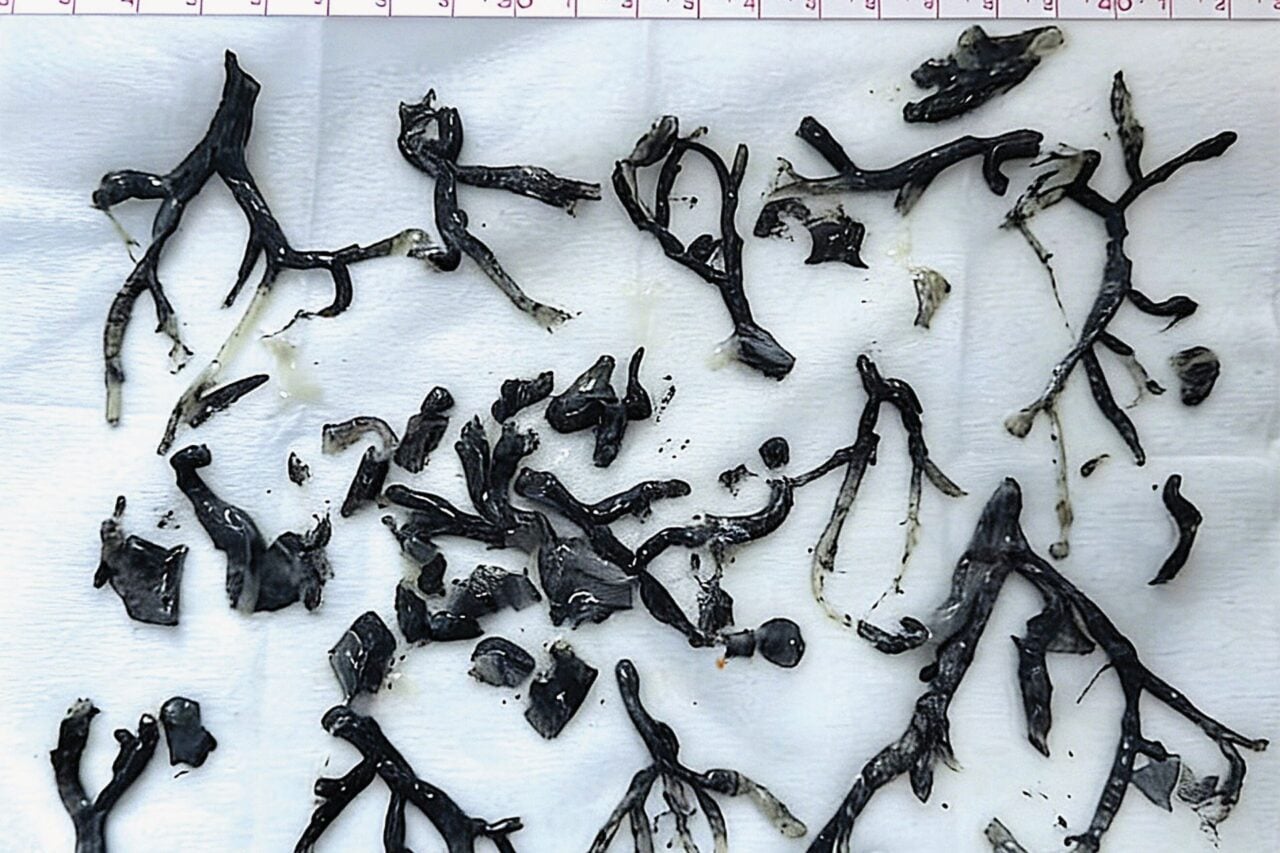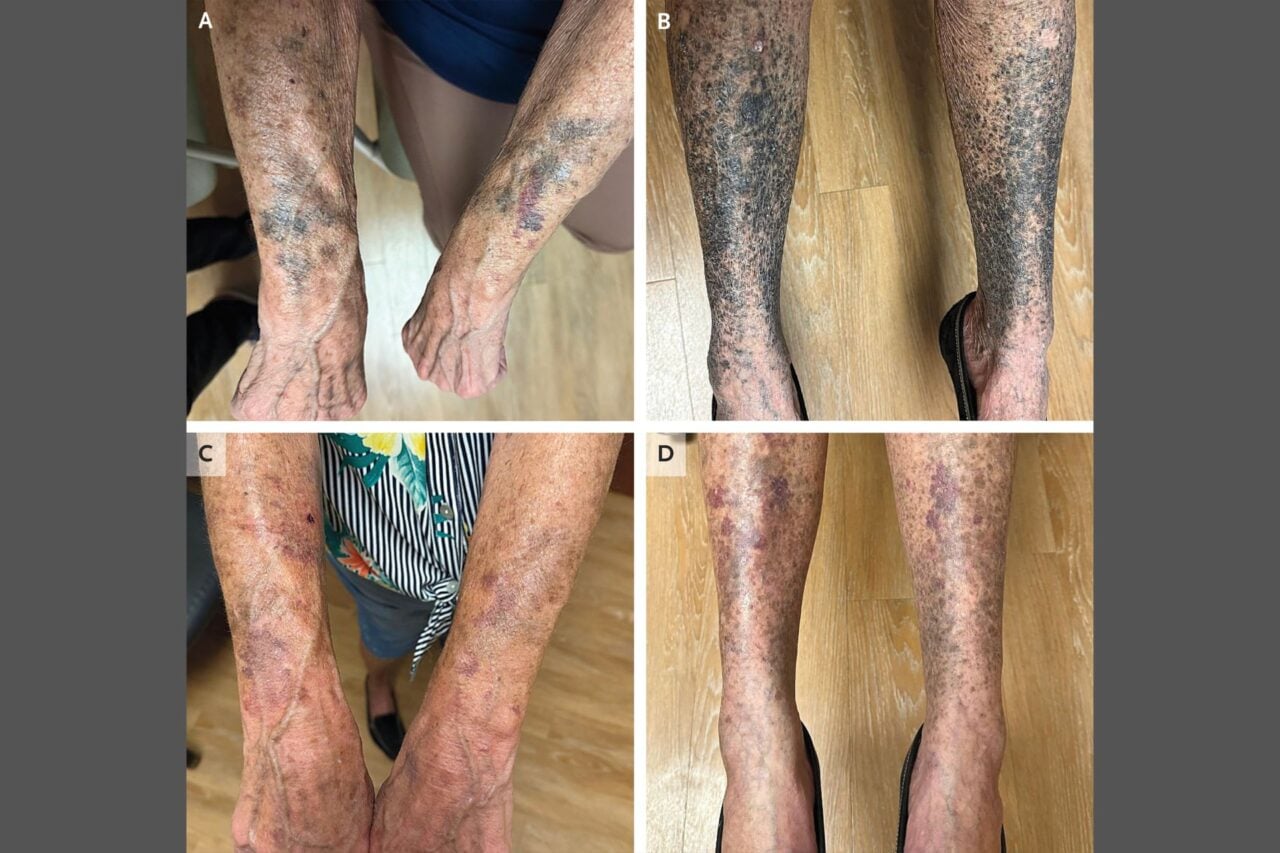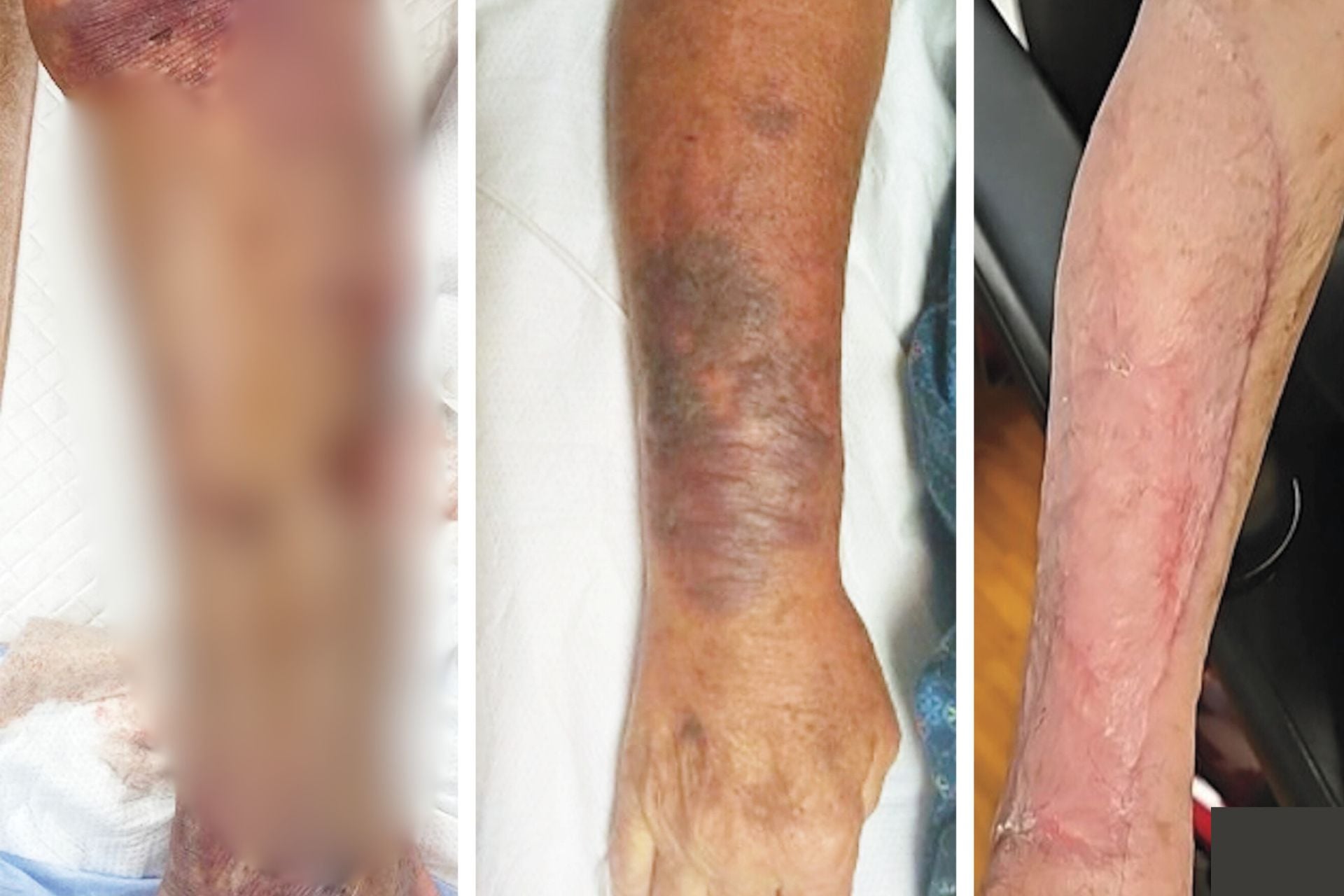
A case report out this week illustrates the gnarly damage that “flesh-eating” bacteria can cause.
Doctors in Florida treated a 74-year-old man whose limbs were infected by Vibrio vulnificus, a common culprit of necrotizing fasciitis, a.k.a. the flesh-eating disease. The man survived his ordeal, albeit at the cost of losing half his right leg. While these gruesome cases are rare, warmer ocean waters fueled by climate change are making them a more frequent occurrence in the United States, the doctors warn.
Flesh-destroying bacteria
Flesh-eating disease is a misleading term for necrotizing fasciitis, though it’s one that has stubbornly stuck in the public imagination.
Warning: Graphic image appears below.
Certain bacteria such as V. vulnificus can enter open wounds and trigger a rapidly destructive infection of the skin and underlying tissue (which includes the fascia). This destruction resembles half-eaten flesh, though the bacteria themselves aren’t feeding off it. V. vulnificus, a cousin of the bacteria responsible for cholera, can also cause gastrointestinal illness; these infections are usually transmitted by eating raw or undercooked shellfish. It’s predominantly found in warm seawater or brackish water.
According to the case report, the man visited doctors three days after cutting open his right leg from jumping into the waters off the Gulf Coast of Florida. The leg wound was still painful and widely surrounded by bruises and blood-filled blisters, and a day after the injury, he noticed skin changes on his right arm. Doctors rushed to remove as much dead and infected tissue as they could from the man’s limbs, while tests soon confirmed that he had contracted V. vulnificus.
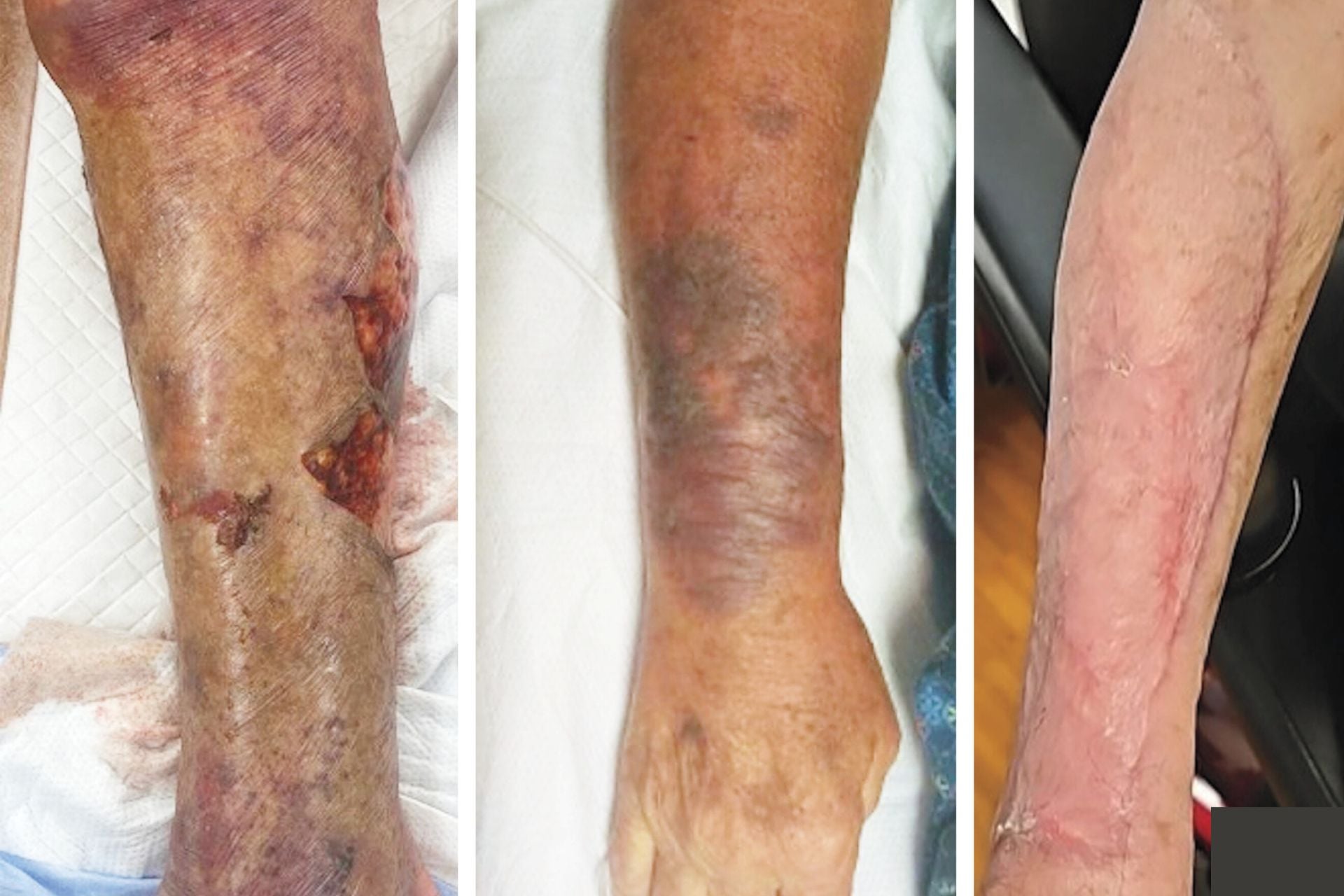
Necrotizing fasciitis can quickly spread and turn fatal, necessitating urgent antibiotic therapy and oftentimes surgery. Even with treatment, about one-fourth of people with the condition will die. Ultimately, in this case, the doctors decided to remove the man’s right leg from above the knee, while skin grafts (taken from other areas of the man’s body) were used for his right arm. Six months after these procedures, both the arm and remaining leg had healed well, they wrote.
The full unblurred image of the man’s right leg can be seen below.
Rare but increasing
V. vulnificus infections are rare in the U.S., with only about 150 to 200 cases reported annually to the Centers for Disease Control and Prevention. But its presence seems to be growing over time.
A 2023 study found that reported cases in the eastern U.S. increased eightfold from 1988 to 2018, for example. Extreme weather events like heat waves and hurricanes can also cause spikes in cases. Florida experienced a record high of 82 cases in 2024, with many happening in the aftermath of Hurricane Helene. These weather events, along with warmer waters in general, will only become more common thanks to climate change, likely bringing along more cases of V. vulnificus with it.
“The abundance and geographic range of V. vulnificus is projected to increase owing to factors related to climate change, including rising water temperatures, storm surges, salinity changes, and algal blooms,” the report authors noted in their paper, published Wednesday in the New England Journal of Medicine.
Some experts are now trying to proactively prevent outbreaks of V. vulnificus by predicting where it’s most likely to show up in coastal waters, though these efforts haven’t received much support from the seafood industry as of yet.