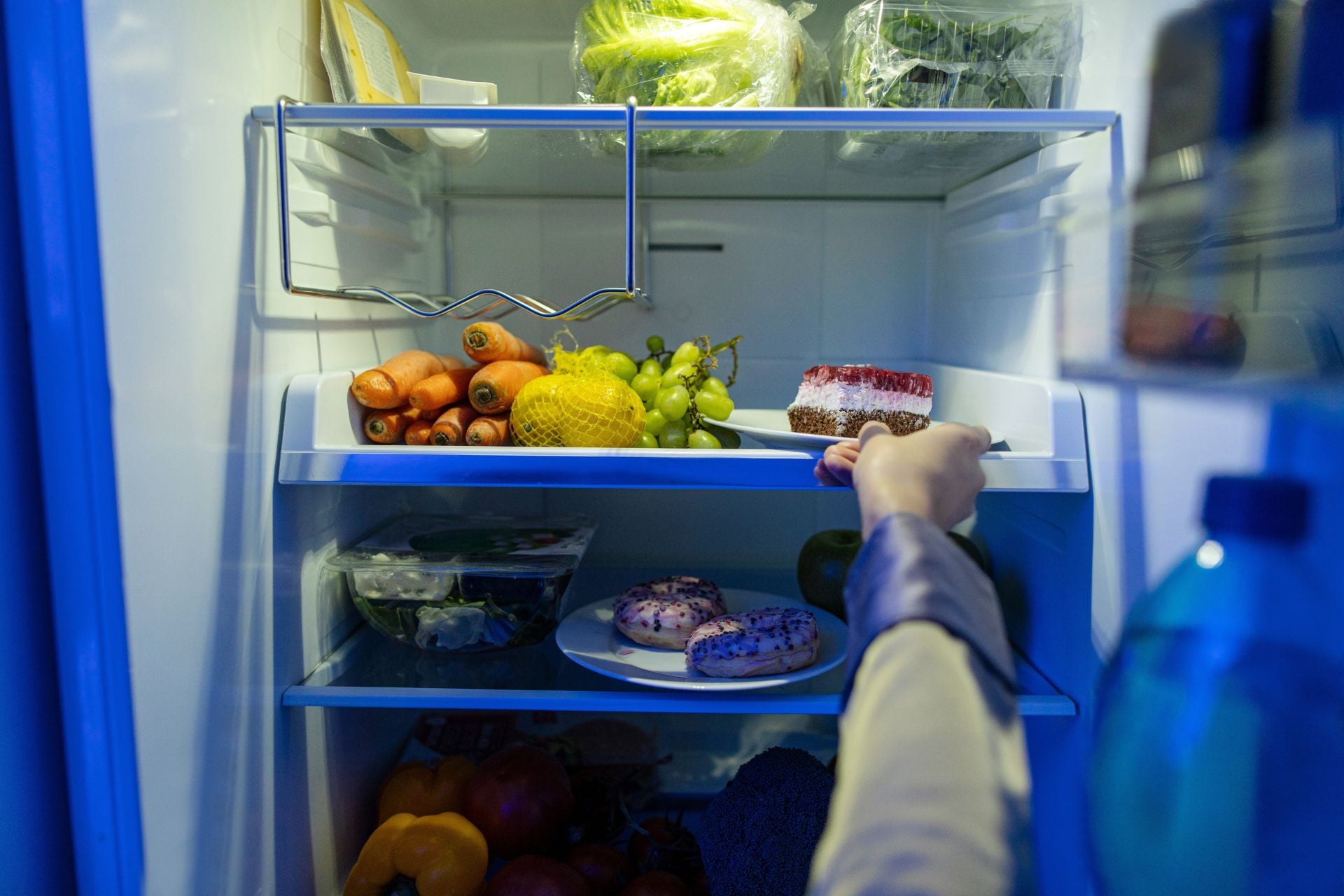
Here comes science to ruin another of life’s simple, if guilty, pleasures. Research out today suggests that eating late at night can further worsen our gut health.
Scientists examined data from a nationally representative survey of Americans. Chronically stressed people who consistently consumed calories at night were more likely to report bouts of digestive issues like constipation and diarrhea, they found. Though not definitive, the findings indicate that late-night snacking can exacerbate people’s existing bowel problems, the researchers say.
Midnight snacking’s hidden cost
Doctors have long advised that people not eat right before bed, for various reasons. Among other things, nighttime calories are more likely to become stored as fat, while the act of nocturnal eating can disturb our sleep and internal body clock. As the term “midnight snack” even implies, people are also generally more tempted to indulge in less healthy foods late at night.
The researchers were particularly interested in studying how late-night eating can affect people already vulnerable to digestive issues, namely those experiencing high bodily stress. They analyzed data from the National Health and Nutrition Examination Survey (NHANES), a survey of Americans’ dieting and lifestyle habits regularly run by the Centers for Disease Control and Prevention. They used several health measurements as markers of chronic stress: body mass index, blood pressure, and cholesterol.
People with high stress who also consumed at least a quarter of their calories after 9 p.m. seemed to fare worse digestion-wise, the researchers found. Compared to low-stress people who didn’t eat much at night, the former group was 1.7 times more likely to report problems like constipation and diarrhea.
The team also conducted a similar analysis of data from the American Gut Project, a citizen science project that collected people’s gut microbiomes along with self-reported information about their lifestyle habits. As before, late-night snackers with high stress were more likely to report gastrointestinal issues (2.5 times more likely) than others, and their gut microbiomes tended to have a less diverse mix of bacteria.
The team’s findings are set to be presented early next month at Digestive Disease Week, an annual scientific conference focusing on digestive health and gastroenterology.
“It’s not just what you eat, but when you eat it,” said lead author Harika Dadigiri, a physician at New York Medical College at Saint Mary’s and Saint Clare’s Hospital, in a statement released by the conference organizers. “And when we’re already under stress, that timing may deliver a ‘double hit’ to gut health.”
What to do about your night eating
The team’s research has yet to be published in a traditional peer-reviewed journal, so it should be viewed with some added caution for now. And their results can only demonstrate a correlation between late-night eating and worse gut health, not a cause-and-effect relationship.
At the same time, plenty of other research supports the idea that eating before bed is generally bad for you. So this latest study at the very least provides more incentive to cut back on the habit, especially if you’re already struggling with GI issues. That’s a feat easier said than done for many of us, including the study researchers themselves. But even simple changes can go a long way.
“I’m not the ice cream police,” Dadigiri said. “Everyone should eat their ice cream—maybe preferably earlier in the day. Small, consistent habits, like maintaining a structured meal routine, may help promote more regular eating patterns and support digestive function over time.”