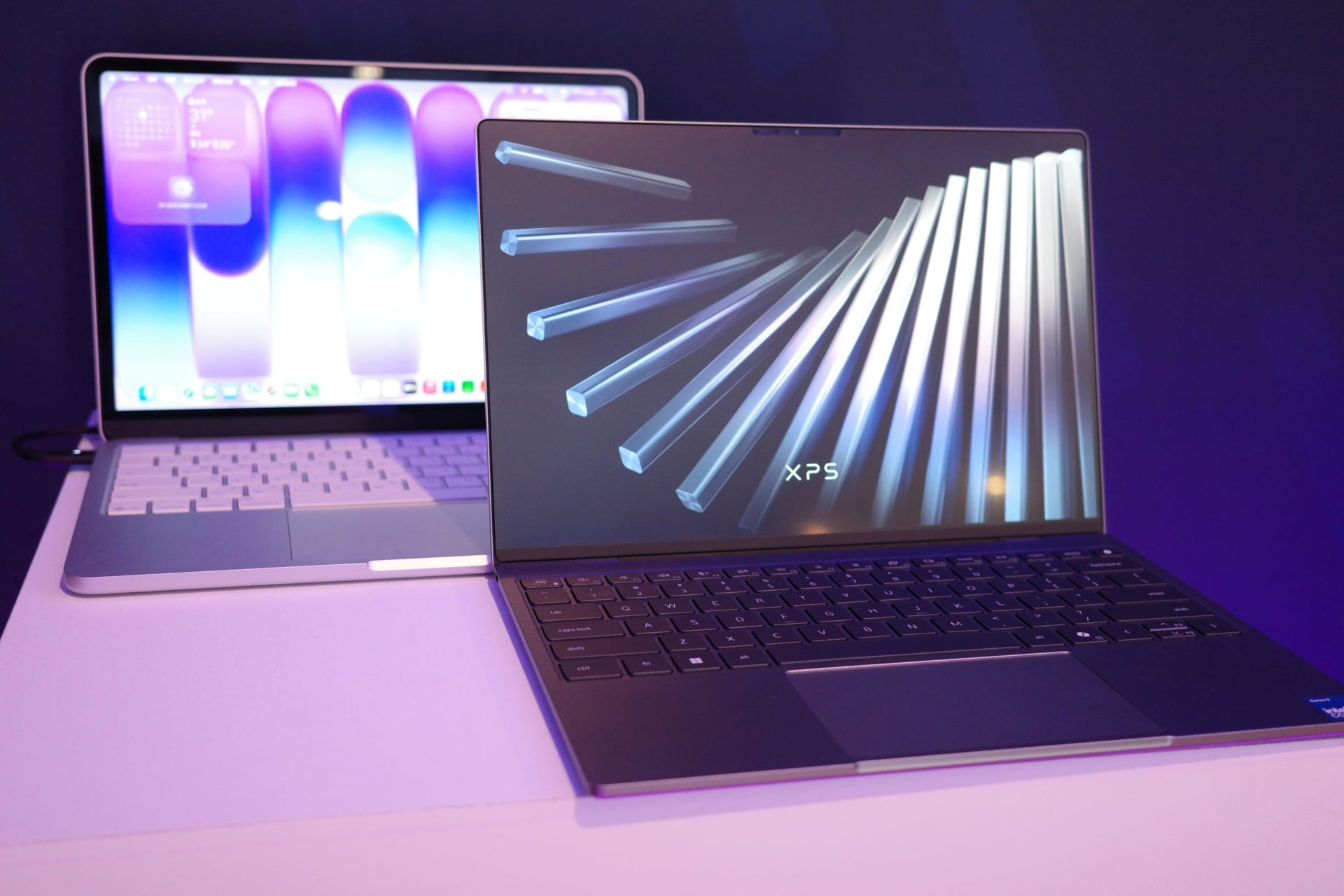
Every few years, the PC industry needs a brutal reminder that most of us aren’t made of money. Apple’s $600 MacBook Neo was a wake-up call for many in the industry—a reminder there’s a demand for laptops under $1,000 that don’t suck. By first impressions, Dell’s XPS 13 seems to be doing everything it needs to. But there’s one detail that just barely misses the mark.
The XPS 13 starts at $700, though you can get the device for $600 with a student discount. Specs-wise, it doesn’t sound the most exciting; the base model has 8GB of RAM and 512GB of storage (same as the MacBook Neo’s $700 configuration with Touch ID). A 256GB version will be “arriving at a later date,” according to Dell, but the company didn’t share pricing or a specific release. It’s running an Intel Core 5, one of the new Wildcat Lake chips built for lower-end PCs. On its face, it should be perfectly fine for work and streaming.
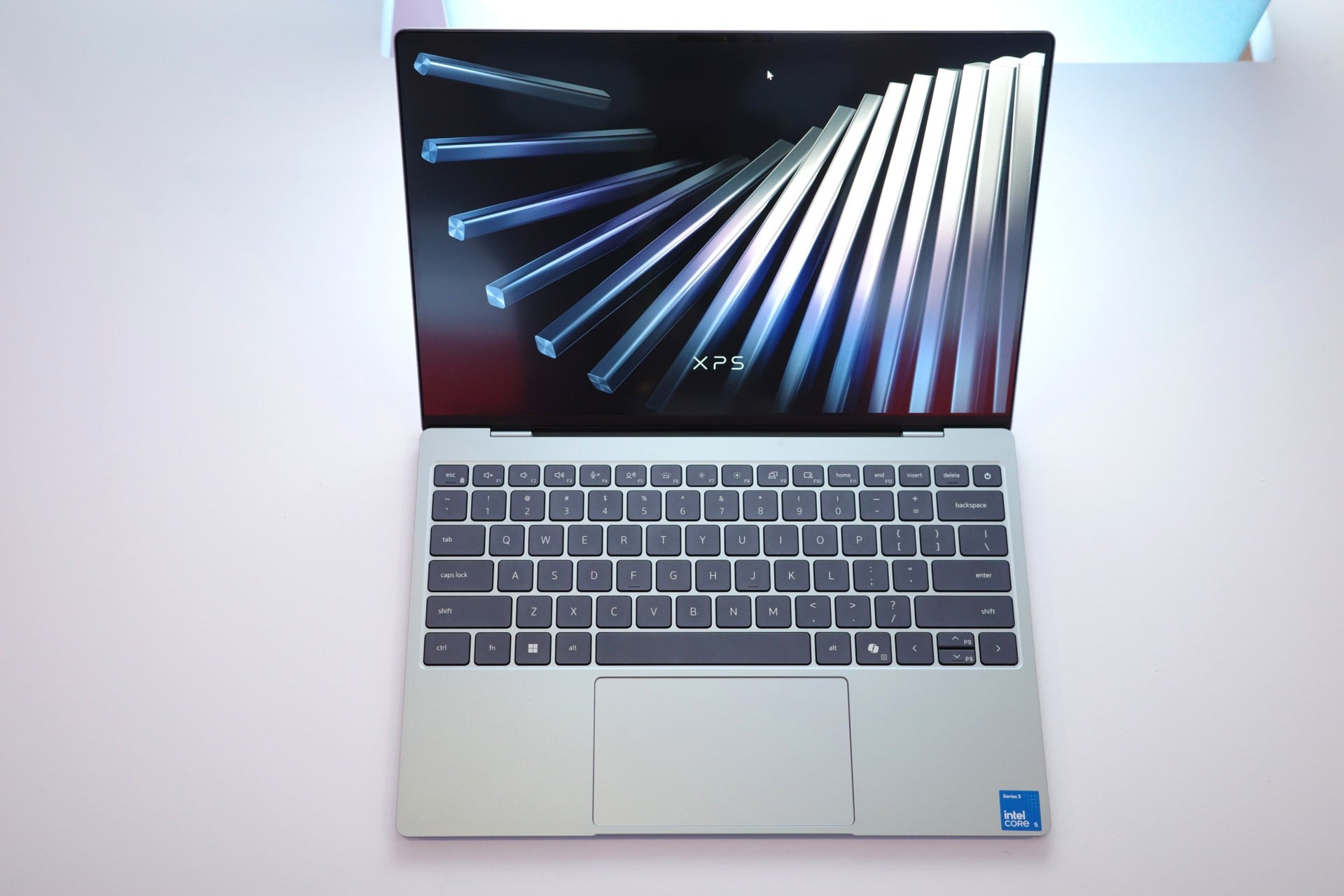
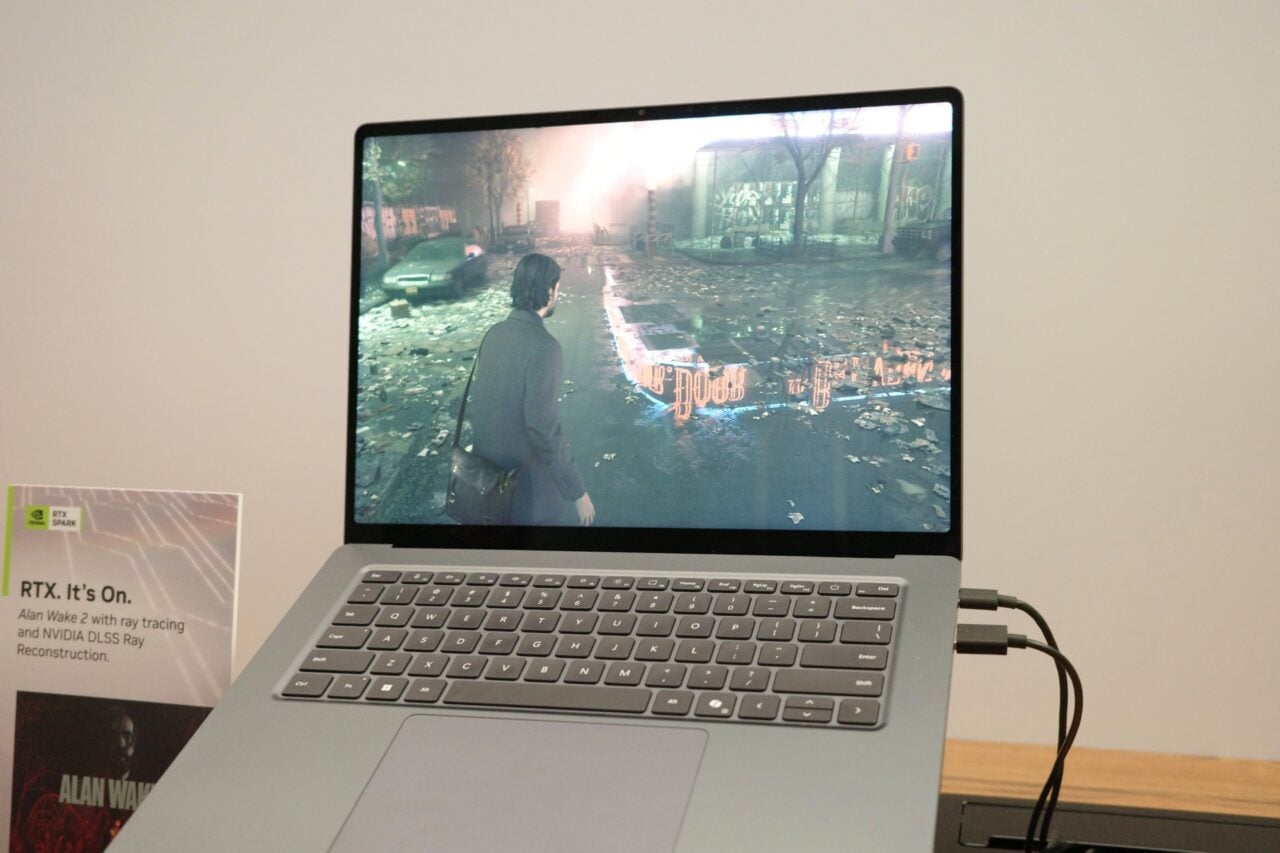
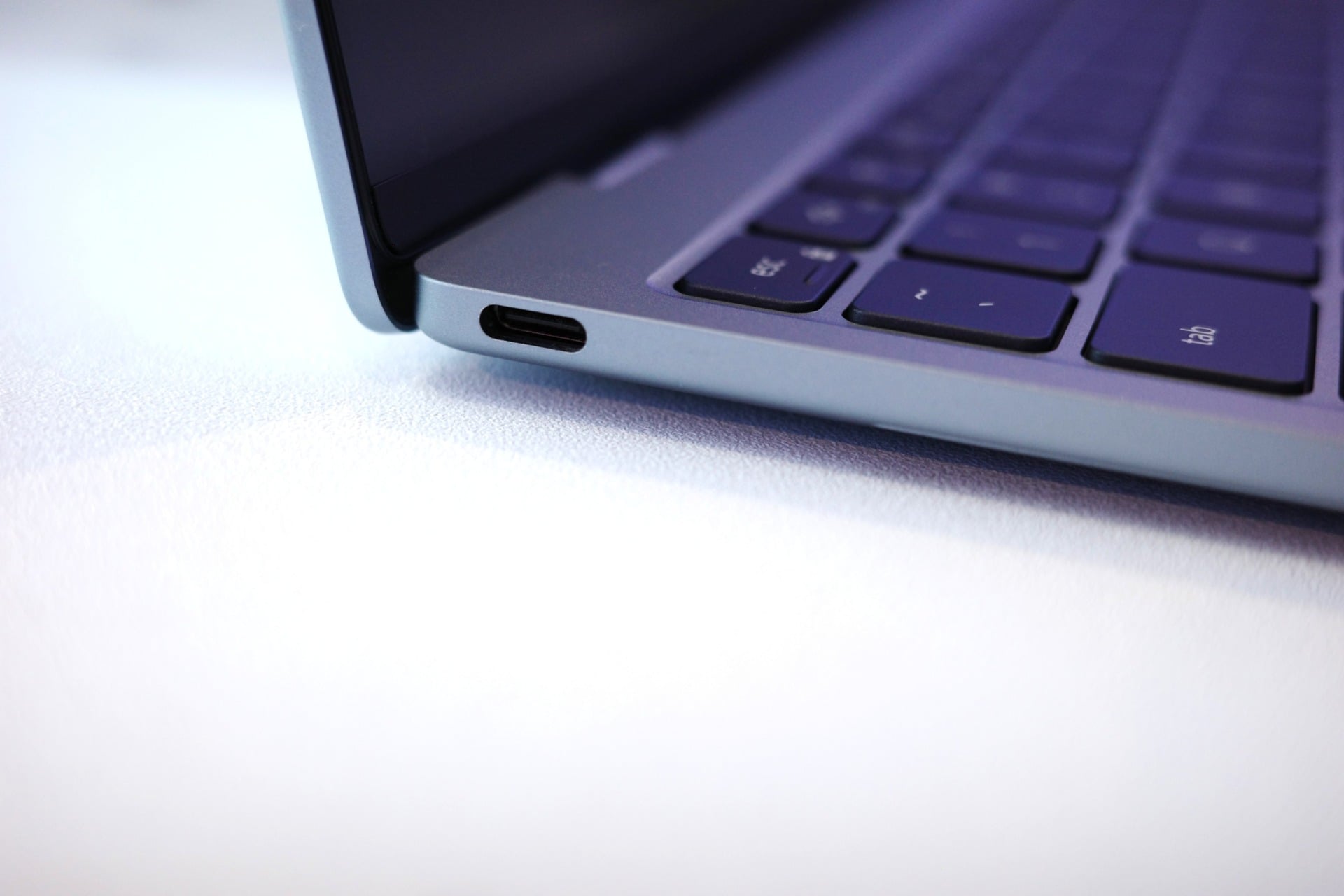
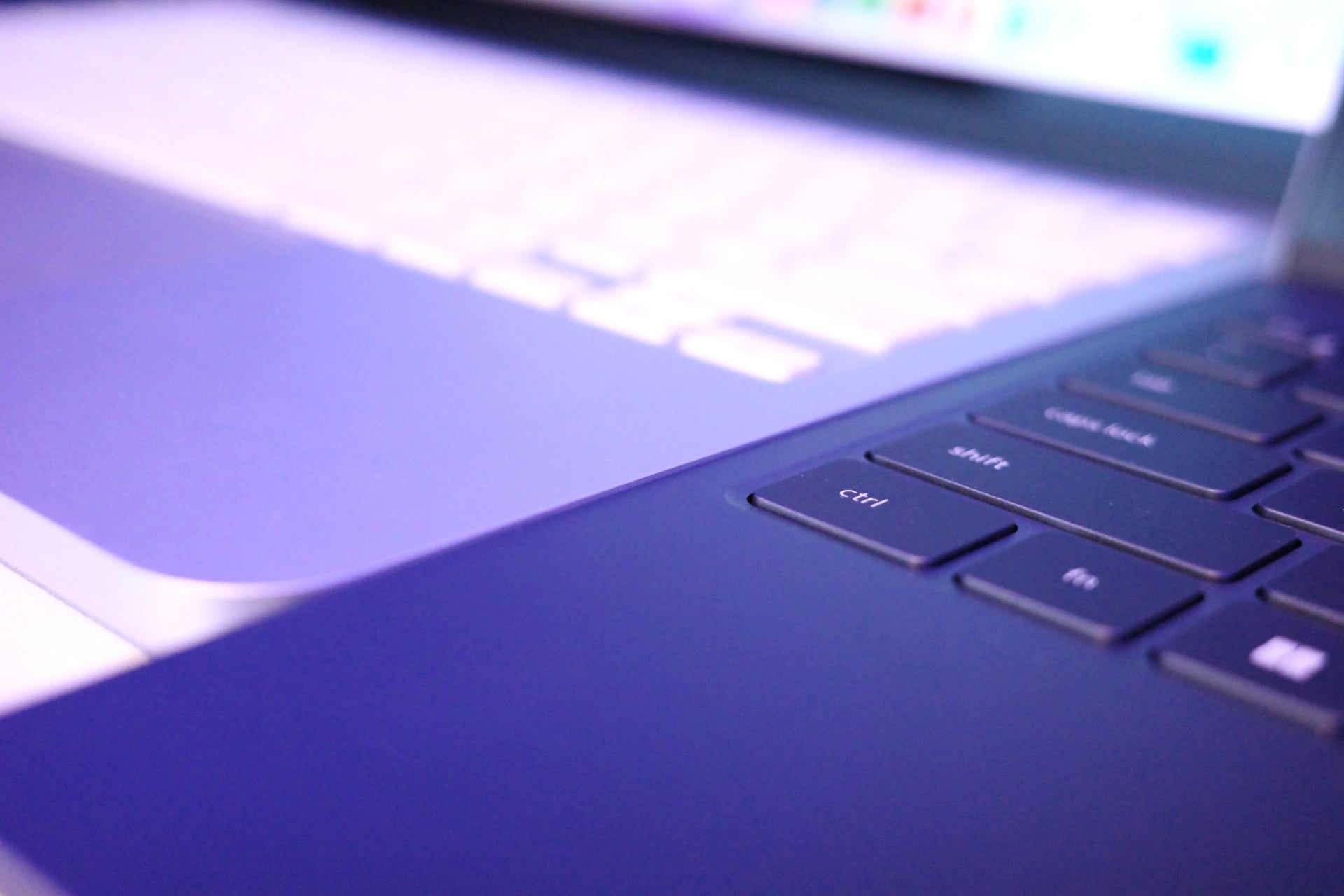
I couldn’t benchmark the system or open a truckload of Chrome tabs on it during my brief hands-on time, but I was able to fondle the chassis. I’m happy to report that the full CNC aluminum shell feels solid. It’s not heavy, coming in at 2.2 pounds, and I can confirm that it is a hair thinner than the MacBook Neo. I enjoyed the feel of its keys more than I do those of Apple’s Magic Keyboard. Connectivity-wise, it’s limited to just two USB-C ports, which become Thunderbolt 4 if you buy a more expensive version containing Intel’s Panther Lake. Somebody out there will complain about the lack of a headphone jack, though it won’t be me, since this device also supports Bluetooth 6 and Wi-Fi 7.
The screen was a curious case. It’s a full 2.5K touch panel, but it didn’t seem especially bright. It does support a refresh rate of up to 120Hz and down to 30Hz, which may help put it above the max-60Hz Neo for some indecisive customers.

The one aspect that gave me pause was the trackpad. Apple’s Neo design featured a mechanical pad rather than the haptic pad that graces the MacBook Air or MacBook Pro, which is not as fancy as those of its premium siblings but still feels excellent to use. The XPS 13 also uses a mechanical pad, but its responsiveness was disappointing by comparison. In my testing, it was more sensitive near the bottom of the deck and nearly impossible to press toward the top. The XPS trackpad may not be as bad as what you’ll find on some other laptops, but in terms of pure usability, it’s a disappointing miss.
I also didn’t have the chance to test how this device sounds. Apple’s MacBook Neo includes two 2W side-firing speakers with the sound quality you won’t mind bopping to without headphones. The XPS 13 has four speakers, but they all fire downwards, so the sound quality could really go either way. I’ll have to spend more time with the laptop to determine whether its audio deserves a passing grade.
There are several more laptops here at Computex, like the $600 Acer Swift Air 14, that purport to compete with the MacBook Neo, but Dell has been the most explicit and purposeful in its desire to dethrone Apple for budget notebooks. All that matters is that we’ll have more choice for quality laptops on the low end, and that’s a good thing.
This article has been updated to clarify that the $700 XPS 13 includes 512GB of storage, not 256GB.