Rocket Lab just pulled off a military mission in record time, demonstrating the company’s capability to launch spacecraft on demand against potential threats and other problems that may arise in orbit.
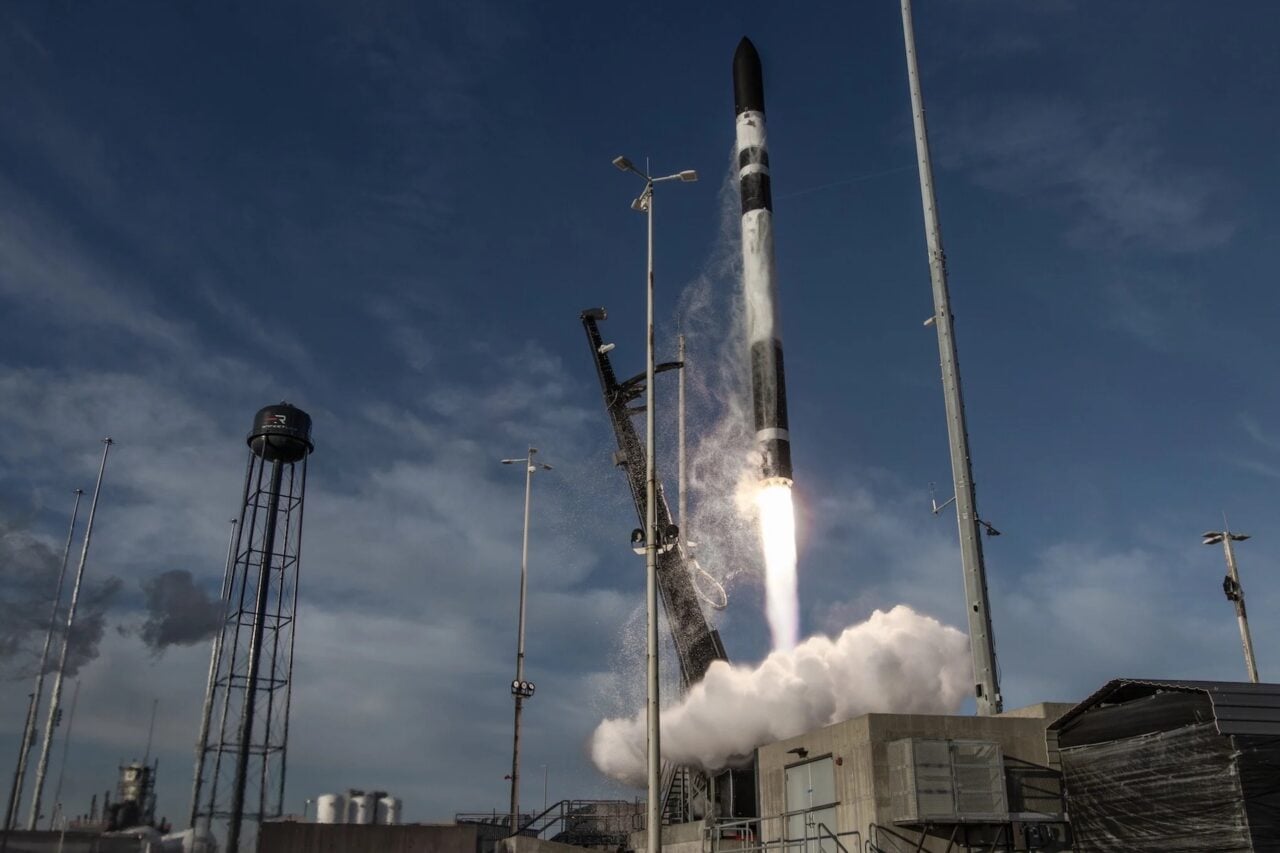
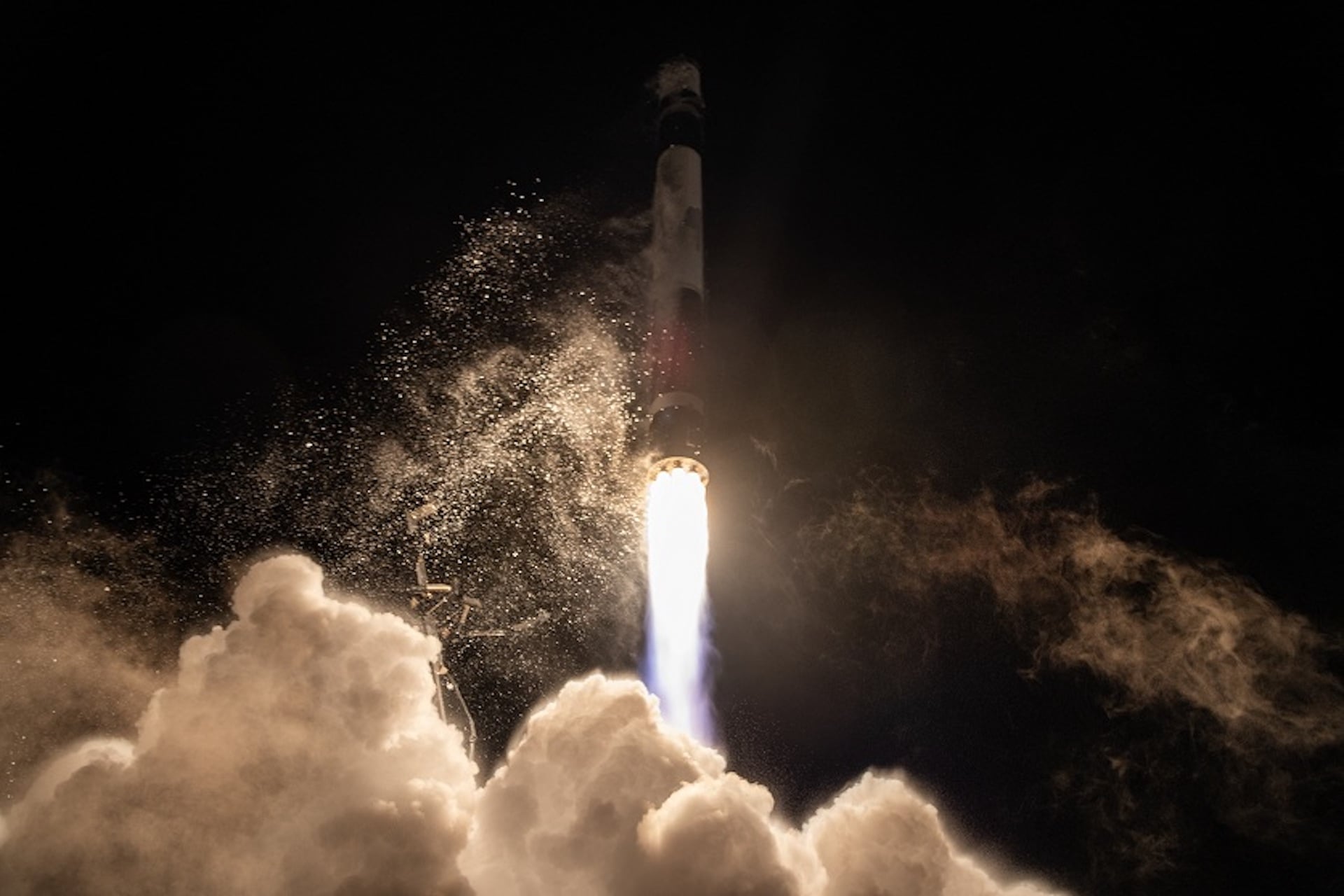
The Victus Haze spacecraft lifted off on board an Electron rocket from Rocket Lab’s launch site in Mahia, New Zealand, on June 19. Rocket Lab launched the mission in just 16 hours and 42 minutes after receiving a notice to launch from the U.S. Space Force, beating the previous record by over 10 hours, according to the company.
Notice to launch
Victus Haze was developed under the Space Force’s Tactically Responsive Space program, designed to demonstrate that commercial providers can rapidly launch and operate spacecraft for the military in response to urgent threats.
“VICTUS HAZE set out to demonstrate our ability to respond to irresponsible behavior on orbit under operationally realistic conditions, and we are doing just that, leveraging commercial partnerships to maximize flexibility and minimize cost,” Bryon McClain, acting Space Force portfolio acquisition executive (PAE) for Space Combat Power, said in a statement.
For the recent demonstration, the Space Force gave Rocket Lab a 24-hour notice to launch. In response, the company’s guidance, navigation, and control team took approximately four hours to calculate final trajectories, update flight software, and coordinate global ground stations in preparation for launch.
Following its launch, the satellite was placed into a Sun-synchronous orbit. Rocket Lab activated and readied Victus Haze for its first orbital maneuver in 37 hours and 36 minutes, beating a 72-hour deadline to fully commission the spacecraft.
Victus Haze is set to perform rendezvous and proximity operations with another spacecraft. Jackal-004, operated by Colorado-based startup True Anomaly, launched on May 3 on board a SpaceX Falcon 9 rocket. The spacecraft is designed to conduct its own maneuvers during the upcoming demonstration with Victus Haze.
Space on demand
Rocket Lab’s recent exercise builds on a previous demonstration. In 2023, the Space Force assigned Firefly Aerospace to launch the Victus Nox mission within 27 hours of receiving a launch order. Firefly launched its Alpha rocket exactly within the given timeframe, and the satellite was operational in just 37 hours.
While Victus Nox focused mainly on a rapid launch response, Victus Haze also aims to show that a spacecraft can be quickly deployed to maneuver in orbit and inspect objects in space.
“Our launch-plus-spacecraft integrated mission capability is transformative for responsive space,” Peter Beck, Rocket Lab’s founder and CEO, said in a statement. “By launching on demand with spacecraft at-the-ready we’ve shown we can secure and defend the nation’s space interests rapidly, and that’s a powerful capability for the United States and its allies.”
The recent demonstration highlights just how far the space industry has come in providing access to orbit and the military’s increased reliance on its commercial providers for fast turnaround.