In 1900, the British Royal Navy purchased the HMS Tiger, a torpedo boat destroyer. But the ship never saw a single battle; eight years later, it sank after an unfortunate collision with an armed cruiser literally split the vessel in half. And the ship remained underwater, lost—until now.
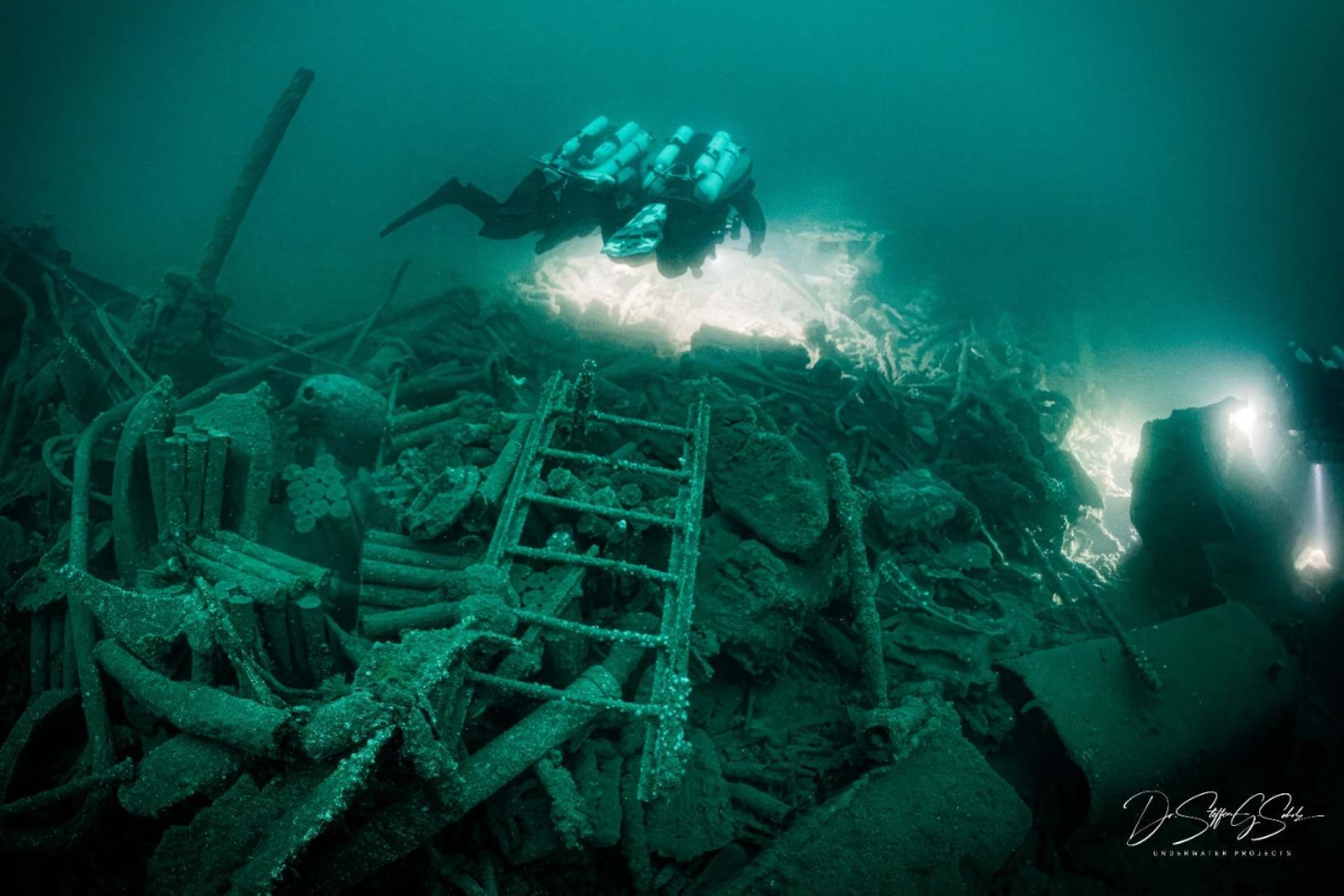
In a statement, the Royal Navy reported that, 118 years since the accident, historian-divers with ProjectXplore discovered the remains of HMS Tiger. The project, an international initiative to locate, recover, and study known shipwrecks, found Tiger roughly 203 feet (62 meters) underwater off the Isle of Wight in the southernmost coasts of the U.K. According to the project’s report on the discovery, much of both sections of the lost ship remain intact. The investigation also revealed new details about the ship’s final moments, such as its bearings moments before the tragic collision.
“Prior to this expedition, Tiger remained the last missing 30-knot torpedo boat destroyer sunk in the English Channel,” according to ProjectXplore’s report. “Throughout [its] eight years of service, Tiger endured repeated collisions and mechanical failures, yet each time [it] returned to service… a tiger that refused to be tamed.”
An unfortunate turn of events
According to the Royal Navy, the torpedo boat destroyer crossed paths with HMS Berwick, the armed cruiser, during night exercises. From there, the larger ship rammed into the Tiger, right in the middle, and within just three minutes, the HMS Tiger sank beneath the waves, taking with it 35 men, including the commander, Lieutenant William Middleton, and the crew’s pet dog and monkey. In its report, ProjectXplore detailed how historical records from the time described the event as being sudden and unpreventable.
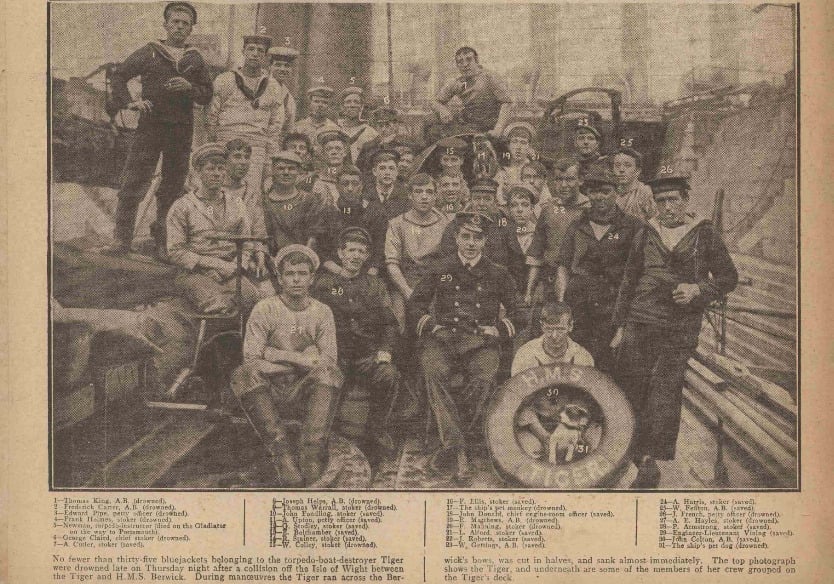
“I remarked to myself, both from the Recruit [another ship] and ourselves, that they [the Very lights] were exceedingly dazzling, the night being so exceptionally dark it was impossible to see anything afterwards for a moment,” Cecil Vinning, Tiger’s engineer lieutenant who survived the crash, testified during court-martial proceedings on the accident. Indeed, the court eventually determined that “no blame can be attributed” to the crew aboard either the Tiger or the Berwick.
Finding the last wreck
ProjectXplore’s search for the HMS Tiger began as early as September 2022. After estimating the ship’s location based on Admiralty records, the researchers surveyed the geological conditions using sonar, magnetometers, and actual dive surveys. There were many challenges unique to this shipwreck, the team explained. For one, since the Tiger was split in half, the researchers had to guess where each section was and how far apart they would be. The local seabed topography was also rough and rocky and lay too close to commercial traffic routes.
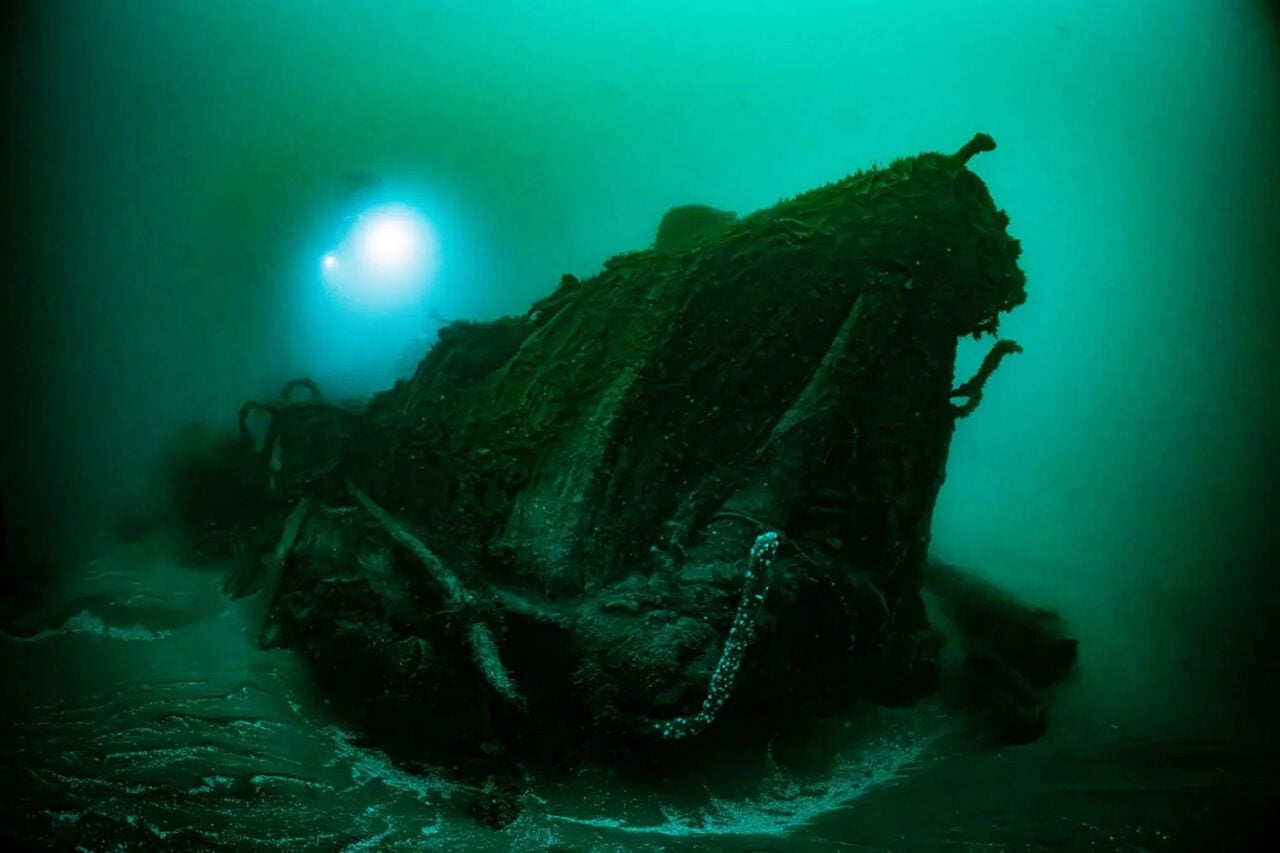
Despite these setbacks, the team finally found the long-lost ship in November 2025. It took another half year for sonar and diving surveys to turn up convincing evidence that the team had found the right ship. The two sections of the Tiger sat roughly 460 feet (140 meters) apart, lying with the tide on an east-west axis, which was quite close to the researchers’ estimate of a 262-foot (80-meter) distance.
Putting things to rest
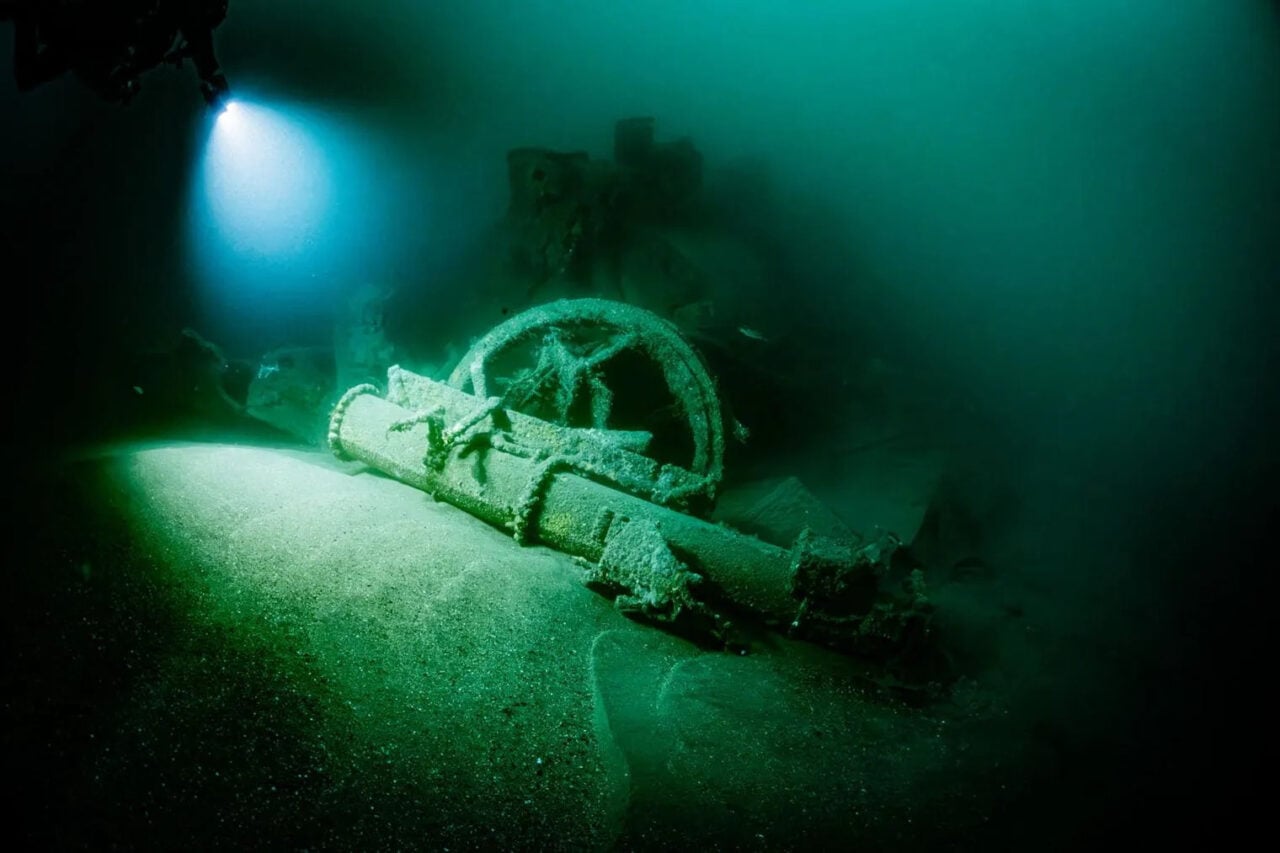
According to ProjectXplore, much of Tiger remained fully intact. Remarkably, the glass cover to the ship’s stern engine revolution telegraph was preserved. As a result, the team was actually able to read the commands that determined the Tiger’s final maneuvers—the “first major factual finding about the events” since 1908.
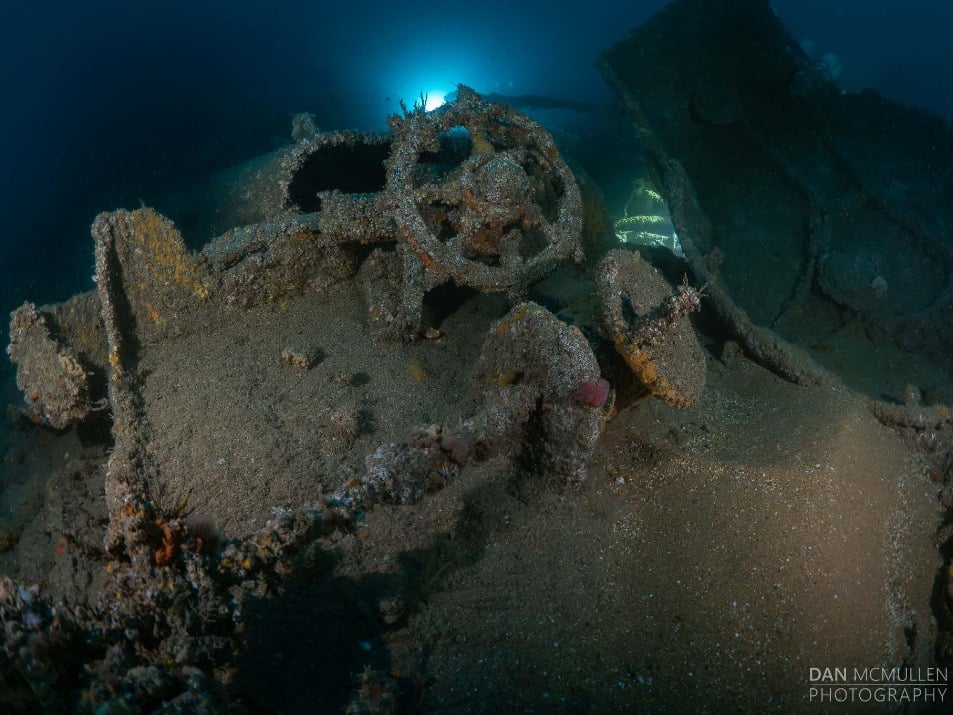
These commands, in addition to the ship’s rudder position indicator, suggest that Tiger hadn’t reduced speed nor changed direction to avoid Berwick. The team has already taken photographs and created 3D models of the shipwreck, and experts will continue to analyze the samples in the coming months.
The loss of HMS Tiger had significant impacts on the maritime history of the U.K., the team explained. For one, the accident led British commanders to ban the use of signal flares in night attacks. The incident was also “headline news” in the U.K. for weeks, with King Edward VII himself expressing his “deep sympathy” regarding the event.
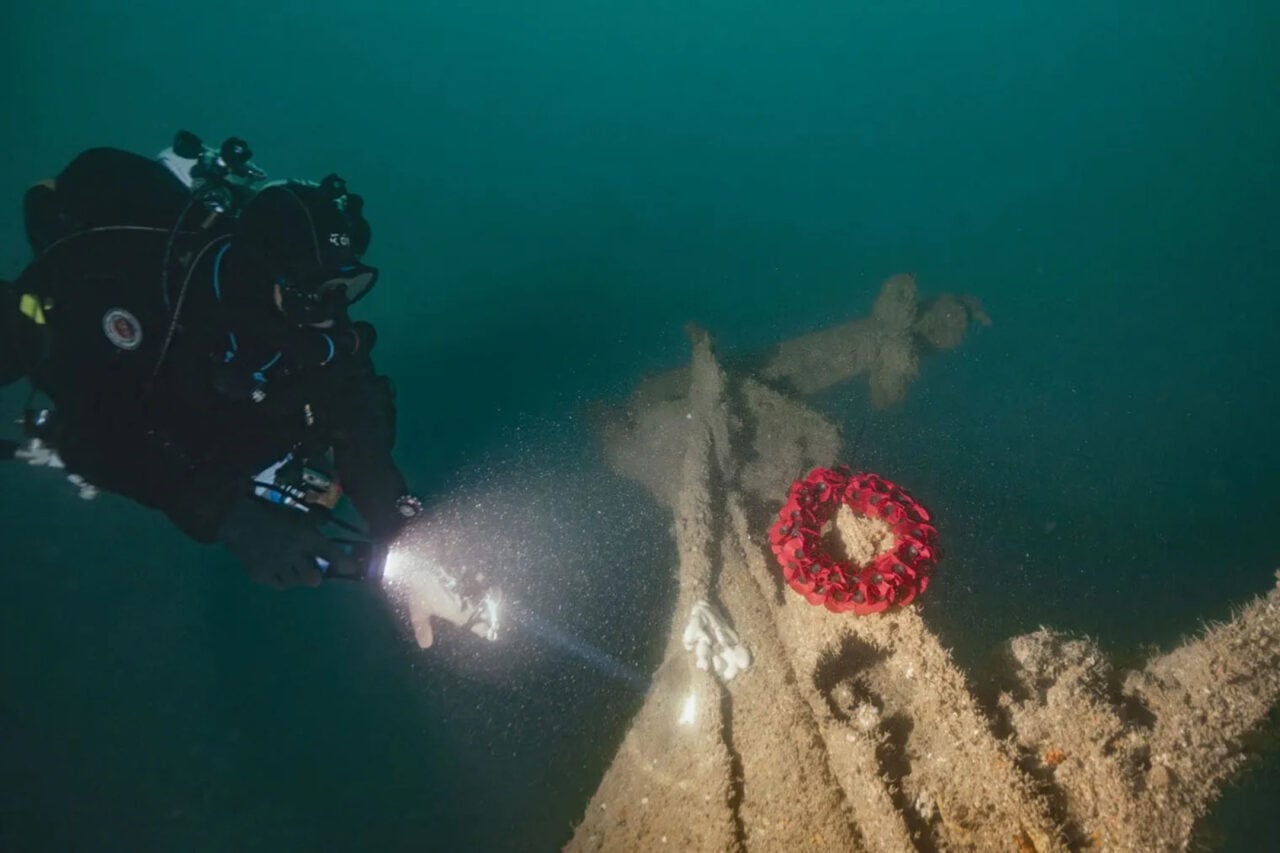
“Protecting military wrecks helps to ensure they are preserved for future generations,” Jen Smith, of the Royal Navy, added in the statement. “This is beneficial for our rich maritime heritage and the diving community who keep the stories of our lost shipwrecks alive.”