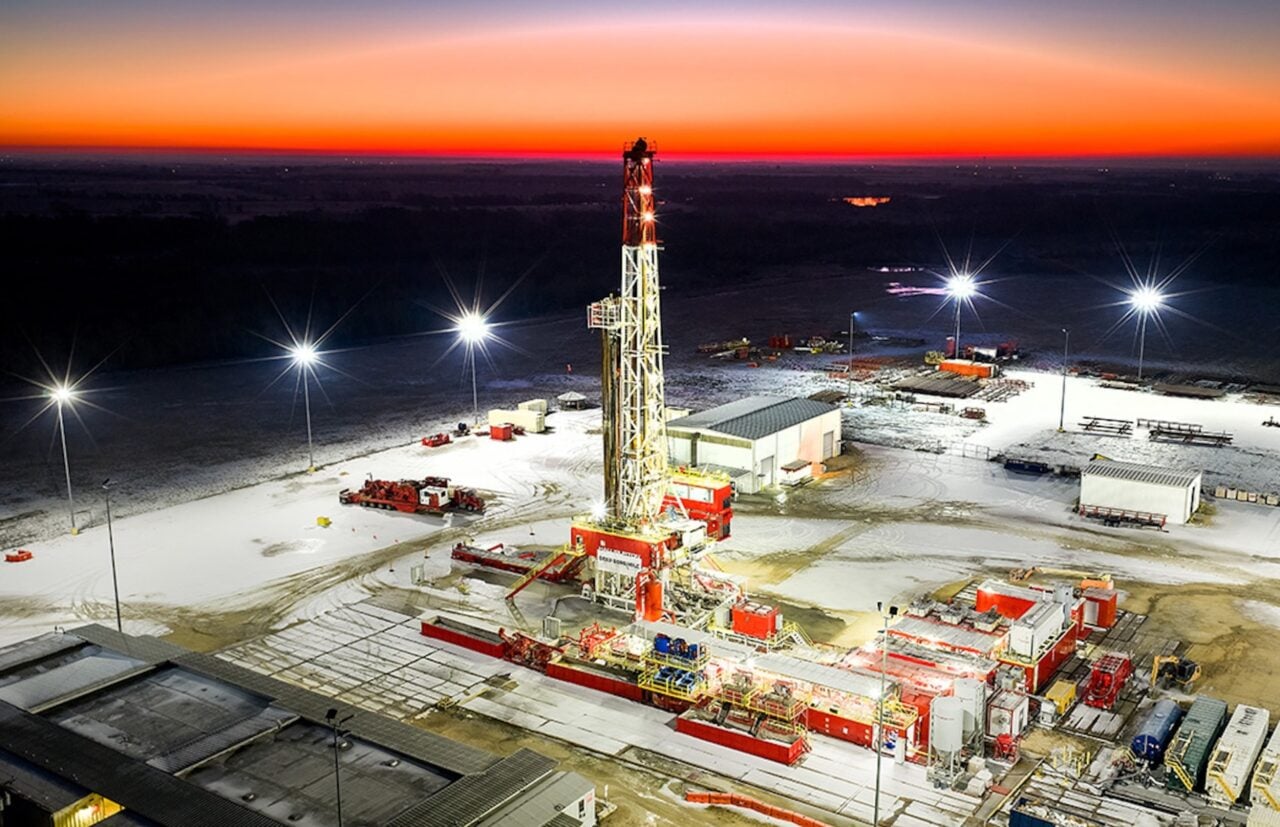
When the Trump administration announced its plan to open the coastal plain of Alaska’s Arctic National Wildlife Refuge (ANWR) to oil and gas drilling in 2025, officials claimed the lease sale would be a boon for American energy dominance. Unfortunately for them, the bid did not live up to the hype.
The oil lease sale on Friday raised just $3.7 million, resulting in five leases between two small Alaskan companies, according to the Bureau of Land Management (BLM). That’s less than the price of some Manhattan penthouses. While previous, successful lease sales in other BLM-managed areas of Alaska, New Mexico, and Texas suggested the oil industry remained interested in drilling on public lands, Big Oil snubbed this sale.
Environmental organizations and some Democratic lawmakers celebrated the blow to the Trump administration’s fossil-fuel-focused “Unleash American Energy” agenda. Still, they warned that the new leasing threatens to destroy globally significant wildlife habitat.
Earthjustice, a nonprofit environmental law organization, is suing to challenge the Interior Department’s 2025 decision to maximize oil and gas leasing in the Refuge’s coastal plain. “The leasing program breaks numerous federal laws, including the Endangered Species Act and the National Wildlife Refuge Act,” a June 5 statement reads.
One of Earth’s last pristine ecosystems
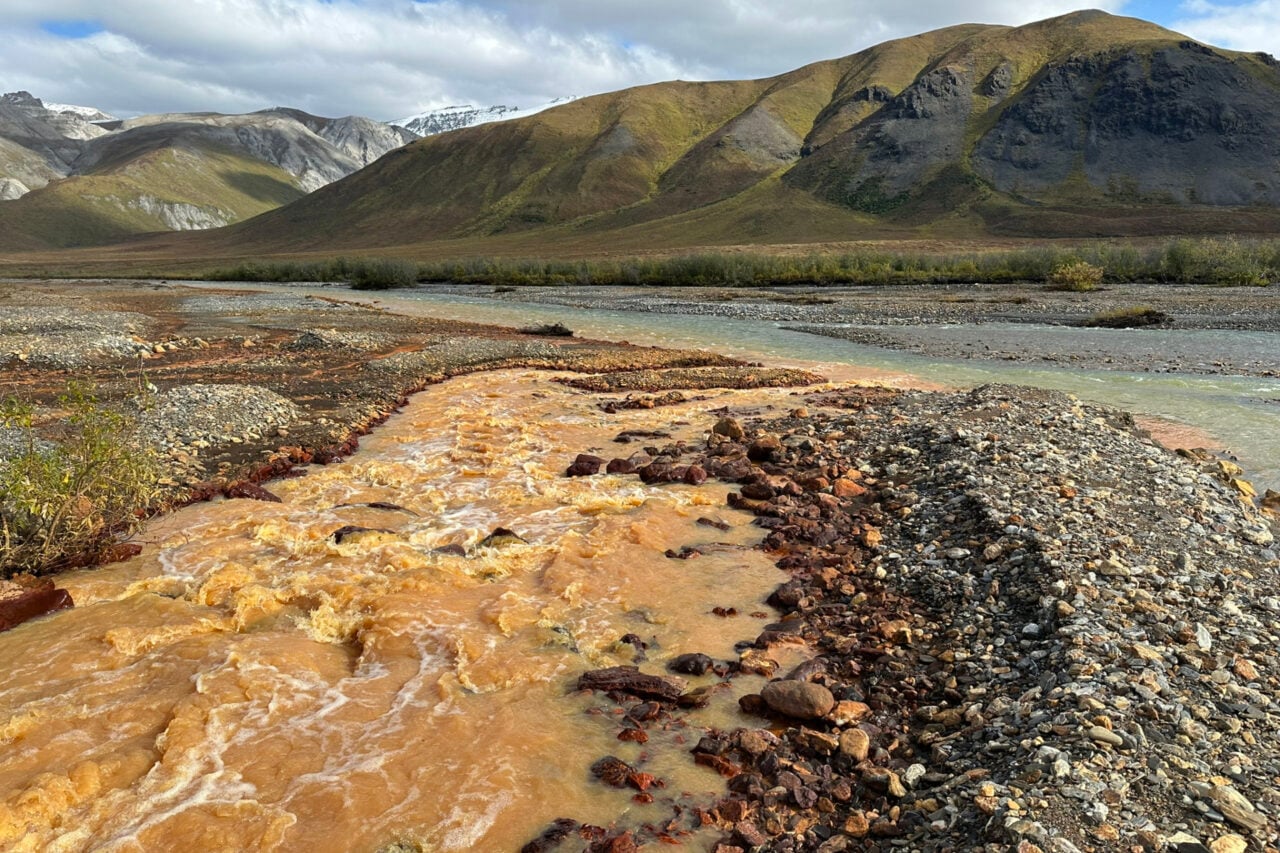
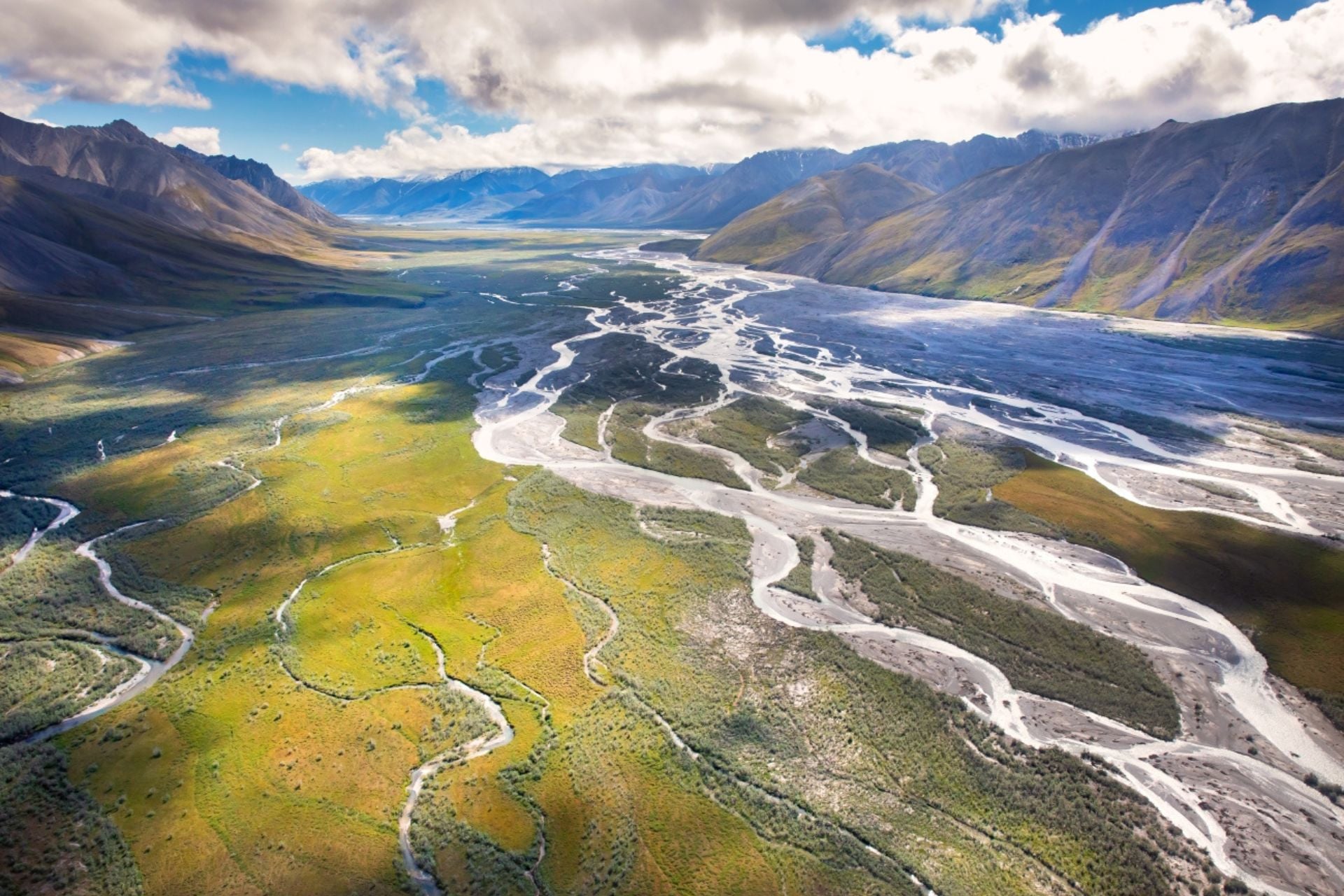
The ANWR is roughly the size of South Carolina, covering more than 19 million acres in the northeast corner of Alaska. It’s one of the last pristine ecosystems on Earth, home to three Wild and Scenic rivers and the largest designated Wilderness (about 8 million acres) in the National Wildlife Refuge System.
This critical sanctuary supports the greatest variety of plant and animal life of any conservation area in the circumpolar Arctic and includes the only Arctic coastal habitats within the system of federal conservation lands. It protects several threatened and endangered species, including polar bears and bowhead whales. For the indigenous Gwich’in and Iñupiat peoples, both the wildlife and landscape are central to survival and culture.
Despite all this, the Trump administration views the Coastal Plain of the ANWR as an onshore oil prospect. The U.S. Geological Survey (USGS) estimates it may contain between 4.25 and 11.8 billion barrels of technically recoverable oil, according to the BLM.
Commercial oil and gas leasing is generally prohibited on national wildlife refuges unless expressly permitted by Congress. Friday’s sale was allowed to proceed by the “One Big Beautiful Bill Act,” which mandates at least four lease sales on the ANWR through 2035, each offering a minimum of 400,000 acres.
Opposing visions for ANWR’s future
The sale offered 58 tracts across approximately 688,829 acres but elicited nine bids on just five tracts covering 72,049 acres total. The winning bids went to HEX Energy LLC (an Anchorage-based oil and natural gas company) and the Alaska Industrial Development and Export Authority (an independently governed public corporation). The $3.7 million in raised funds will be split evenly between the state and federal governments.
Trump administration officials deemed the auction a success, as did Iñupiat leaders in the village of Kaktovik—the only village within the refuge’s boundaries.
“Today’s successful sale proves that when our voices are centered in policymaking conversations, we can strengthen Kaktovik’s future and America’s energy security,” Kaktovik Iñupiat Corporation President Charles Lampe said in a statement, according to Alaska Public Media. “The Kaktovikmiut are the only people who live in ANWR—we have a right to exist and protect our economic and cultural self-determination.”
Members of the Gwich’in Steering Committee, representing several Alaska Native communities just south of the refuge, took an opposing stance. “We have children that are growing up right now that love our tradition, that love our culture, that loves hunting, and that love providing for their families, and that is all at stake,” said Gwich’in Steering Committee Executive Director Kristen Moreland, according to Alaska Public Media. “This is also the larger responsibility we all share to address climate change and to protect one of the last truly intact ecosystems in the world.”
No matter which side of the issue you are on, it’s clear that this lease sale failed to capture Big Oil’s interest. As long as the ANWR’s Coastal Plain remains a politically contentious and commercially uncertain prospect, it will be difficult for the Trump administration to maximize large-scale oil and gas development in the area.