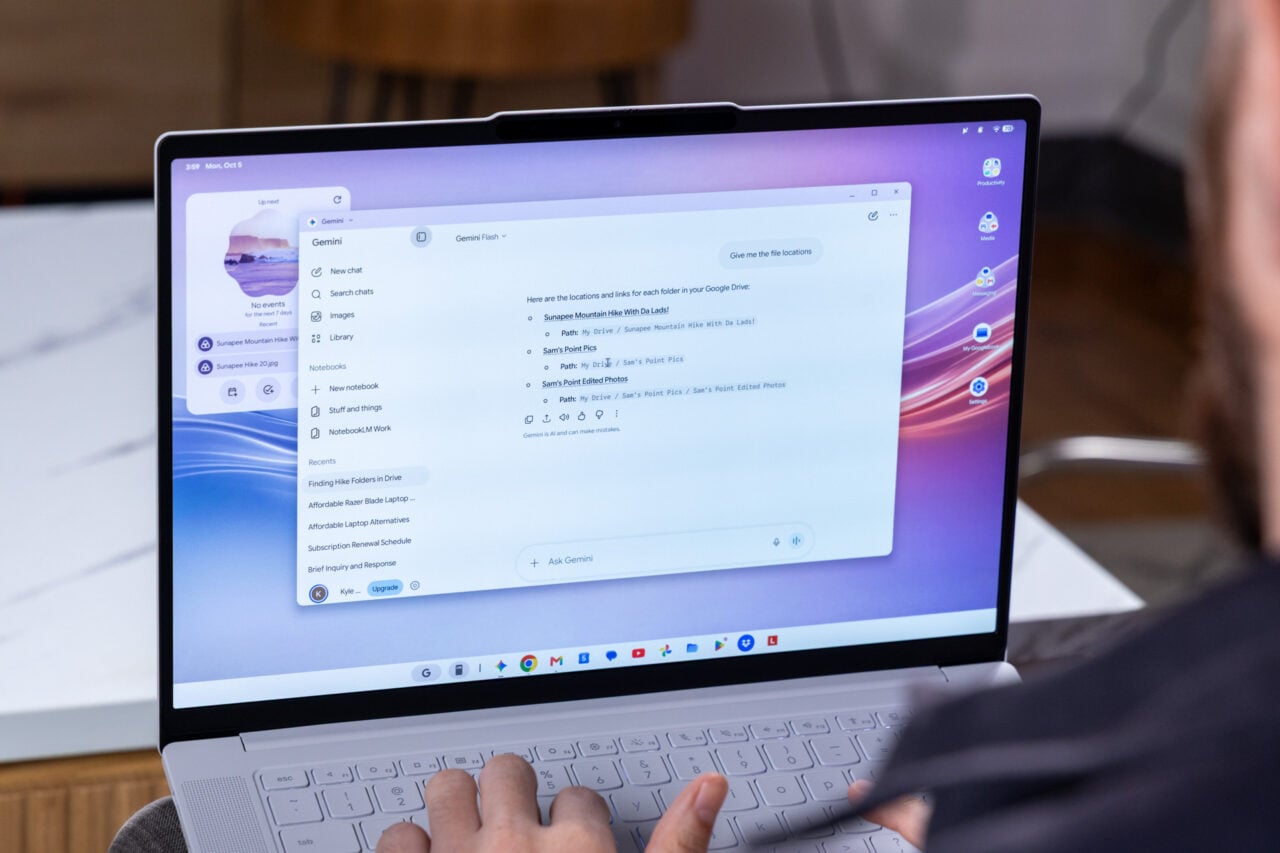
I know that many of us in tech land prefer to upgrade our phones every five minutes. I’m not knocking that behavior, though I can’t say I envy your credit card bills. But I also do have to admit my mad respect for the many folks out there who are still rocking phones that are like, a million years old. I really can see the vision: the hardware probably still works just fine, and many of the big players’ upgrades over the last few years have largely amounted to having Bixby answer calls for you.
Unfortunately, if you count yourself among that category, I recommend sitting down for this next bit. Google has finally confirmed a month-or-so-old rumor that Android 10 is no longer compatible with Android Auto.
SamMobile spotted the news on Monday, buried in the depths of the Android Auto Help Center (truly, bless the Android blogs), that Google has removed both Android 9 and Android 10 from its list of supported operating systems, and now lists Android 11 as the minimum for wired connections. Users have been receiving warnings that this event might come to pass since at least early October, as outlets including Android Authority have reported, but this is the first official confirmation we’ve seen.
So if you have a newer phone that’s running Android 9 or 10, it’s high time to upgrade. If your phone doesn’t support Android 11, however, I guess you’d better dig out those old accessories that clip your phone to the air conditioner from your closet. Or one of those window suction cup things, as long as you don’t plan on hitting your brakes hard, ever.
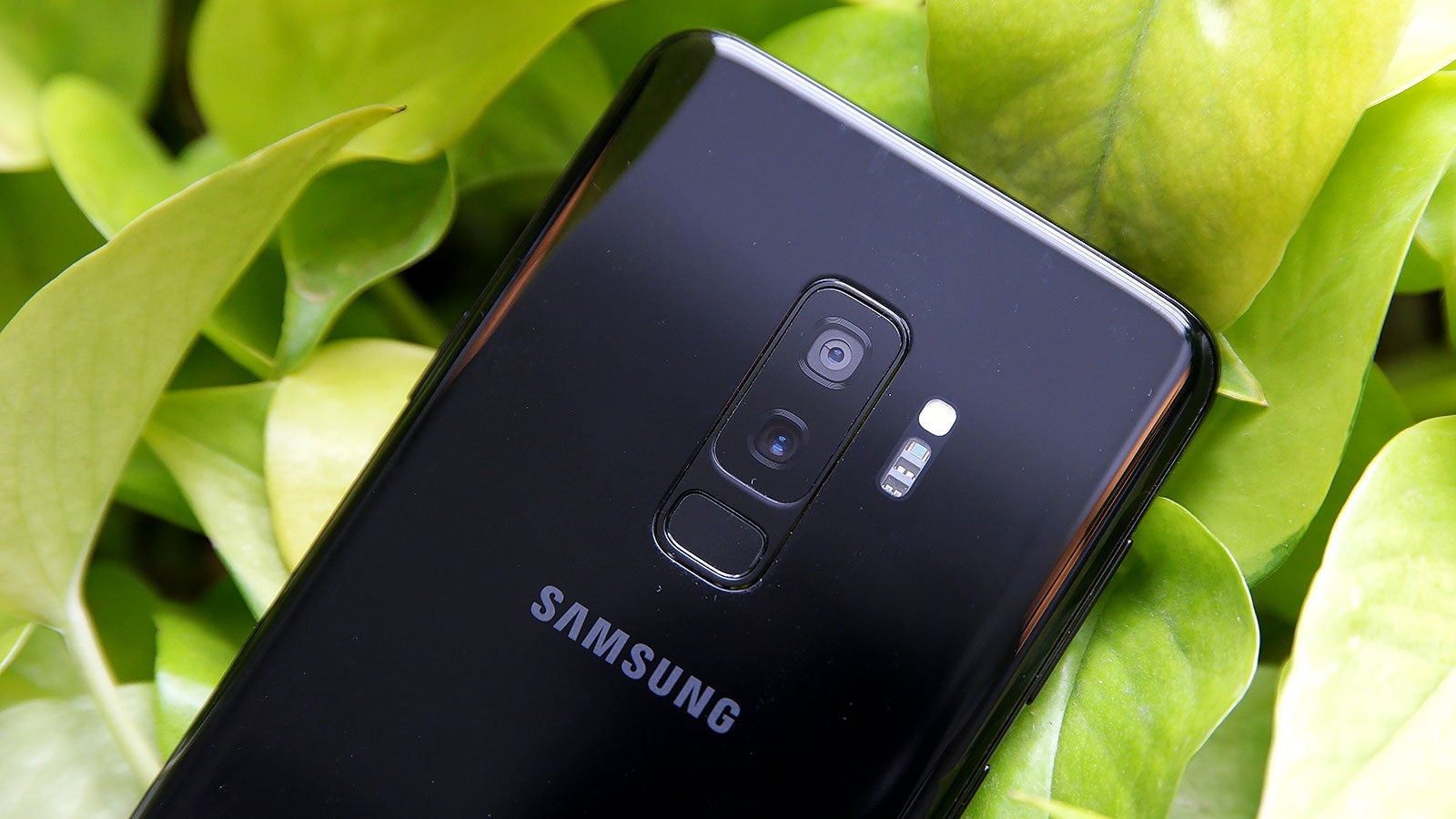
As SamMobile points out, a number of popular Samsung phones can no longer use Google’s driving platform, including the Note 9 and the Galaxy S9. Just off the top of my head, other no-longer-eligible phones include Google’s original Pixel and Pixel XL, OnePlus’s 5 and 5T, and Motorola’s Moto E.
There are those of us for whom the continued use of such phones in 2026 is hard to fathom, but it is undeniable that Android users are a stubborn bunch and that Google is having trouble getting them to ditch old versions. Almost half of all Android devices (of which there are billions out there) were running Android 13 or older as of October.
This isn’t necessarily an unexpected change. Google has been tightening the gates on Android Auto for several years now: it raised the wired minimum to Android 8, from Android 6, in 2022, then to Android 9 in 2024. Android 10 is also becoming less of a cool kid across the board these days: Google ended security support in 2023, Cisco dropped support for its Duo Mobile authentication app the following year, and banks such as Malaysia’s RHB are even starting to block Android 10 users from accessing their mobile apps.
Still, cars started getting Android Auto in 2015, which was right before the original Pixel hit shelves. Today’s roads are full of drivers who have been using the feature for a decade or more. I can only imagine the psychological trauma of one day plugging my phone in, expecting the feature I use every day to pop up before me, only to find my navigation app stuck on the teensy Corning Gorilla Glass 5 screen in my cupholder. I suppose this era will test how loyal some people are to their eight-year-old phones—or to big-screen navigation.