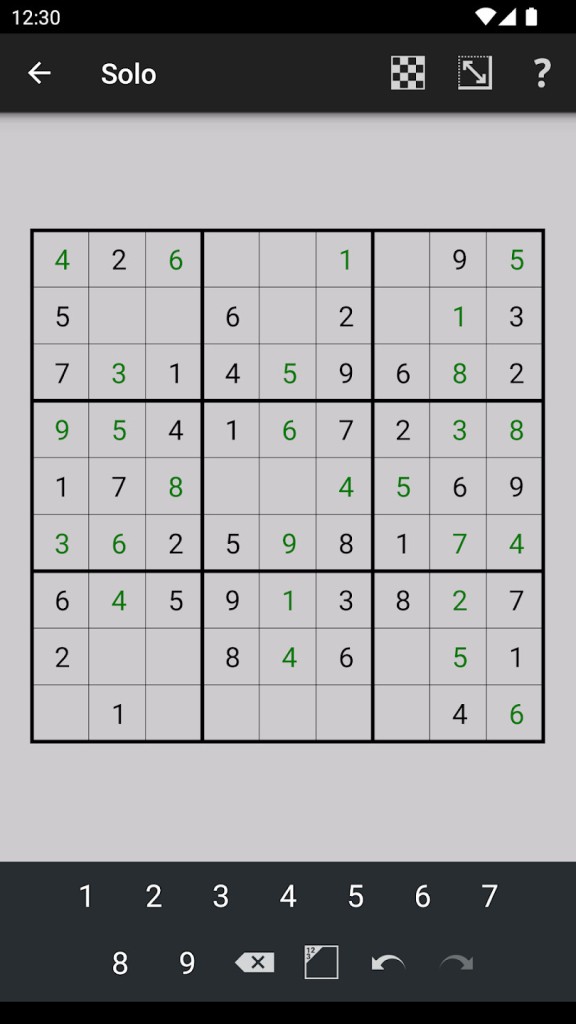
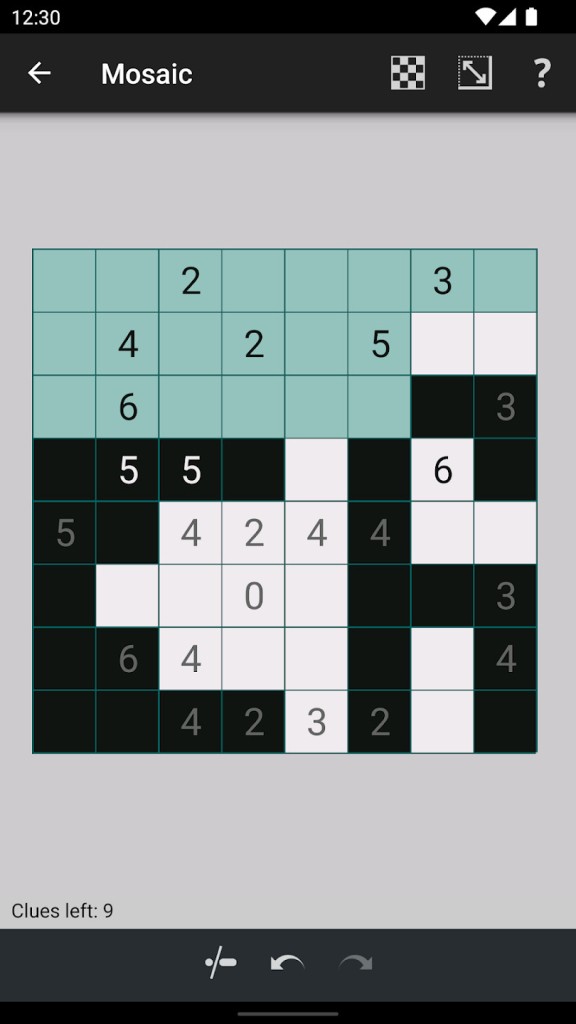
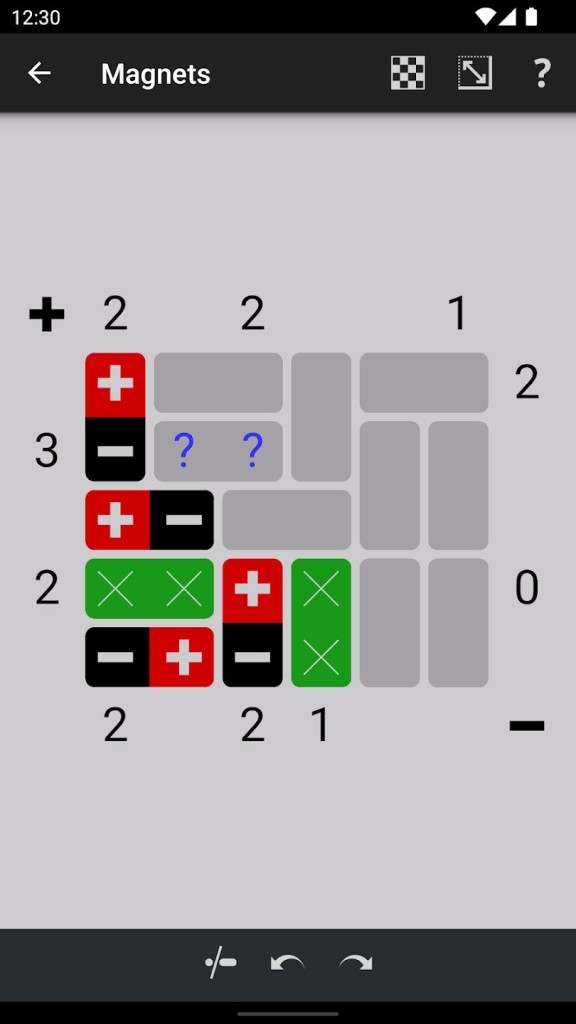
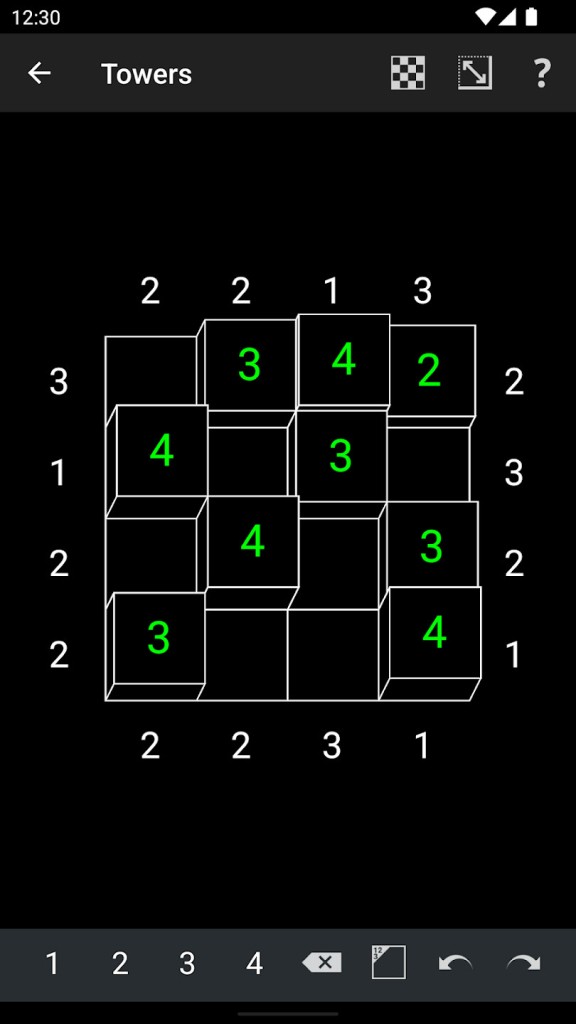
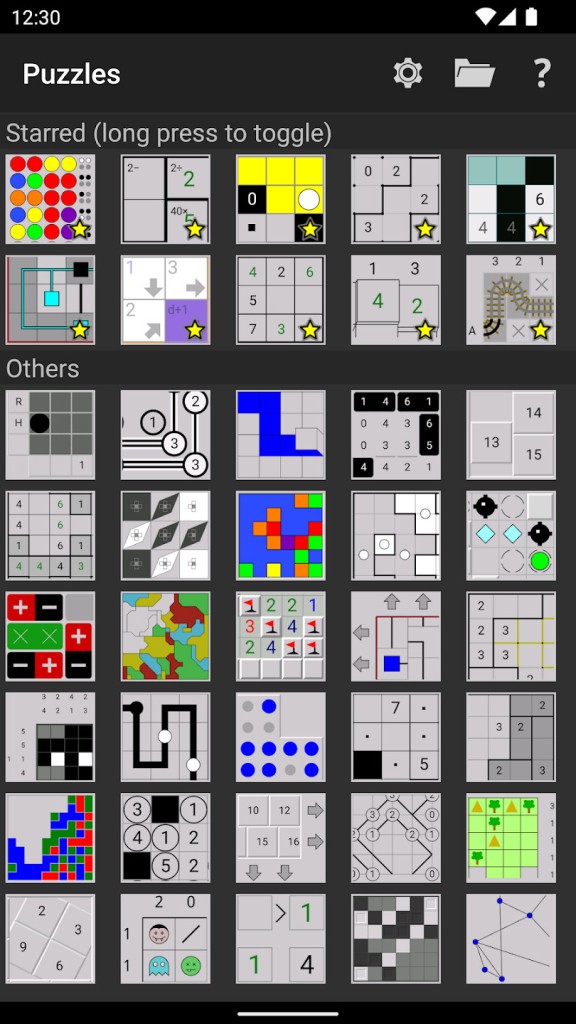
Simon Tatham’s Puzzles is not eye-catching. It does not splash on animations, awards, or glowing buttons to attract your attention. It offers mere puzzles, and there are dozens of them.
All puzzles are constructed with unobtrusive exactitude. This is fresh. No distractions and no loud colors, only your brain against logic. It does not hurry you when you are keen on doing a simple grid by tapping or when you are staring at a complex shape, trying to figure it out. It demands your attention and rewards you when you focus.
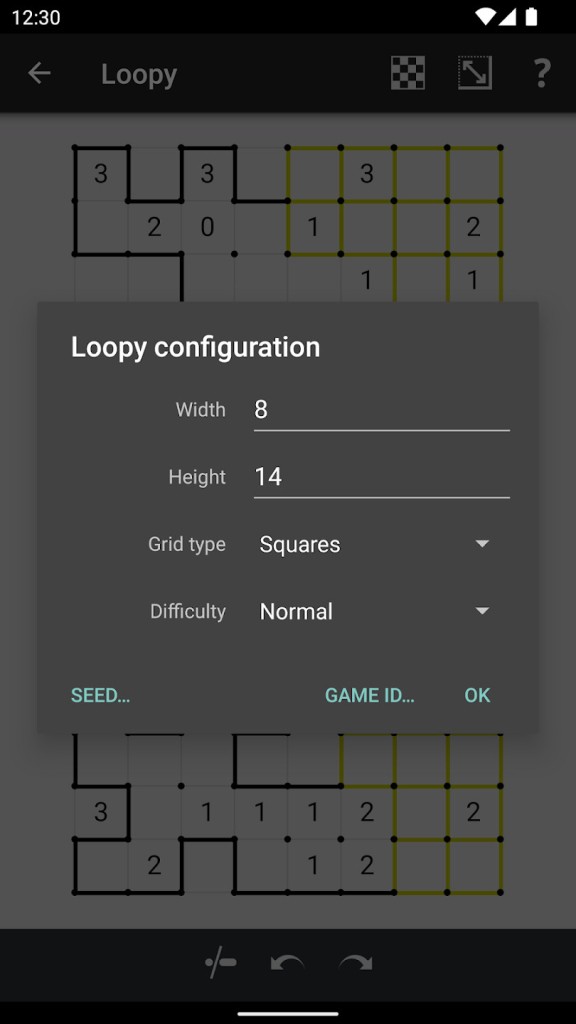
The program was first created as a package of small-sized open source logic games that featured puzzles like Loopy, Net, Untangle, and Slant. It does not require an internet connection, does not choke you with annoying ads or notifications to upgrade. You just have a puzzle and that puzzle won't move until you crack the code.
Simon Tatham’s Puzzles is an old-time kind of thing, almost a meditative kind of thing. And also, since the layout changes randomly every time you play each puzzle, it never really becomes dull. You won't memorize levels; you will learn to think differently. That is the whole point. And you can never forget it.
Why Should I Download Simon Tatham's Puzzles?
Simon Tatham’s Puzzles does not involve any scorekeeping. No lives to loose. No progress bar pushing you to do 3 more levels in order to get a reward. What Simon Tatham presents with his puzzles instead is tranquility of a kind, a quiet mind game that does not yell at the top of its lungs to get your attention. You open it, pick any of the puzzles, and you are in. In a few seconds, you will experience your brain stretching and adjusting not to pressure, but to curiosity. These puzzles are meant to bring headaches. They are made to educate.
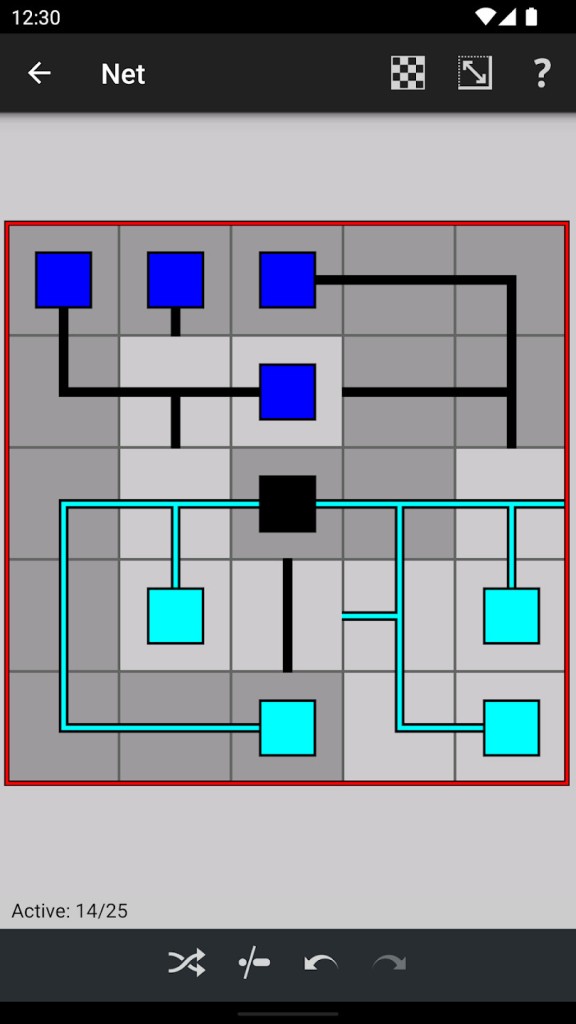
You begin to notice some of the regularities which were not noticeable in the beginning. Perhaps you are stumped somewhere in a Net puzzle, lines which must be joined just so, but then halfway there, the brain cells snap into place. You get to learn how each node functions, how corners have to behave. How to play the game is not told. It only gives you the tools and space to fail your way to understanding. And there is no judgment when you go back to start again on the fifth try.
The most interesting part about this collection is that it is compact, though rich. It does not occupy a large space in your device, and besides, it is equally applicable in both the desktop and the phone. Not much interface is presented on it, and it feels almost outdated by modern standards; however, it is precisely this feature that makes the interface work. Nothing is distracting you from the puzzle itself. You are not switching between triumphs and avatar alerts, and notifications. You are simply solving.
And it’s not just about killing time. People use these puzzles to wake up their minds, shift focus, or wind down. Some even refer to it as a replacement for meditation; it helps soothe the racing mind as the mind has something productive to hold on to. It’s mental conditioning without the hype, no brain scans, no complex science.
This is a gift for anyone who likes to think. It is more of the kind of app that is with you at all times, the one that is just sitting in the corner of your home screen waiting until you are ready to think again. And that is what somehow makes it reliable.
Is Simon Tatham’s Puzzles Free?
Why, it is free, free. No in-app purchases. No ads. No unlocks required. All you have to do is download it, and the whole range of puzzles is at your disposal so you can explore them at your own pace.
What Operating Systems Are Compatible with Simon Tatham’s Puzzles?
Simon Tatham’s Puzzles is available on multiple major platforms. It is efficient on Windows, Linux, and macOS, and there are mobile applications on Android and iOS. You also do not require a lot of system resources to run it as it is lightweight and does not demand a lot of resources, and it can run even on old computers. Experience is also comparable across all platforms and doesn’t even require registration or an internet connection.
What Are the Alternatives to Simon Tatham’s Puzzles?
When you want something like Simon Tatham’s Puzzles, you aren't meaning this exact balance, something that throws a challenge at you, but is not so big that it is a burden, and is not so intense that you feel a clock is counting time. Some apps can achieve that balance differently.
Impulse - Brain Training Games is more modern. It is smooth, well-polished, and has an assortment of cognitive training activities. It is more gamified in design, showing the statistics, levels, and streaks, but behind all that, there lies a sturdy collection of exercises helping to train the memory, focus, and problem-solving. Impulse provides structure to those who like following their progress and realizing progress day by day. It is like a personal fitness instructor to your mind since it updates you daily to remind you to move.
There are Daily Pastimes. Even the name gives it a mellow, no-rush effect. The puzzles in this case are less punishing and more different, frequently combining logic and word games with visual mental patterns. It’s meant to offer light mental stimulation, nothing too serious, just enough to keep your mind engaged without burnout. It does not overemphasize stats or measures. It only provides you with something exciting in which to use your brain daily.
A time-old favorite, there is Lumosity: Brain Training. The company has been in existence for a long time and has developed a large brand identity. Supported with cognitive studies and with a large user base, Lumosity develops personal training plans based on how you play. It is smooth, educational, and inspirational, in case you are fond of order. Some of its activities align logically with those in Simon Tatham’s Puzzles, but they are more variably presented and varied in aim. In the case of Simon, Tatham feels more of a silent challenge, whereas Lumosity has more of a structured workout plan under the pretext of your brain.