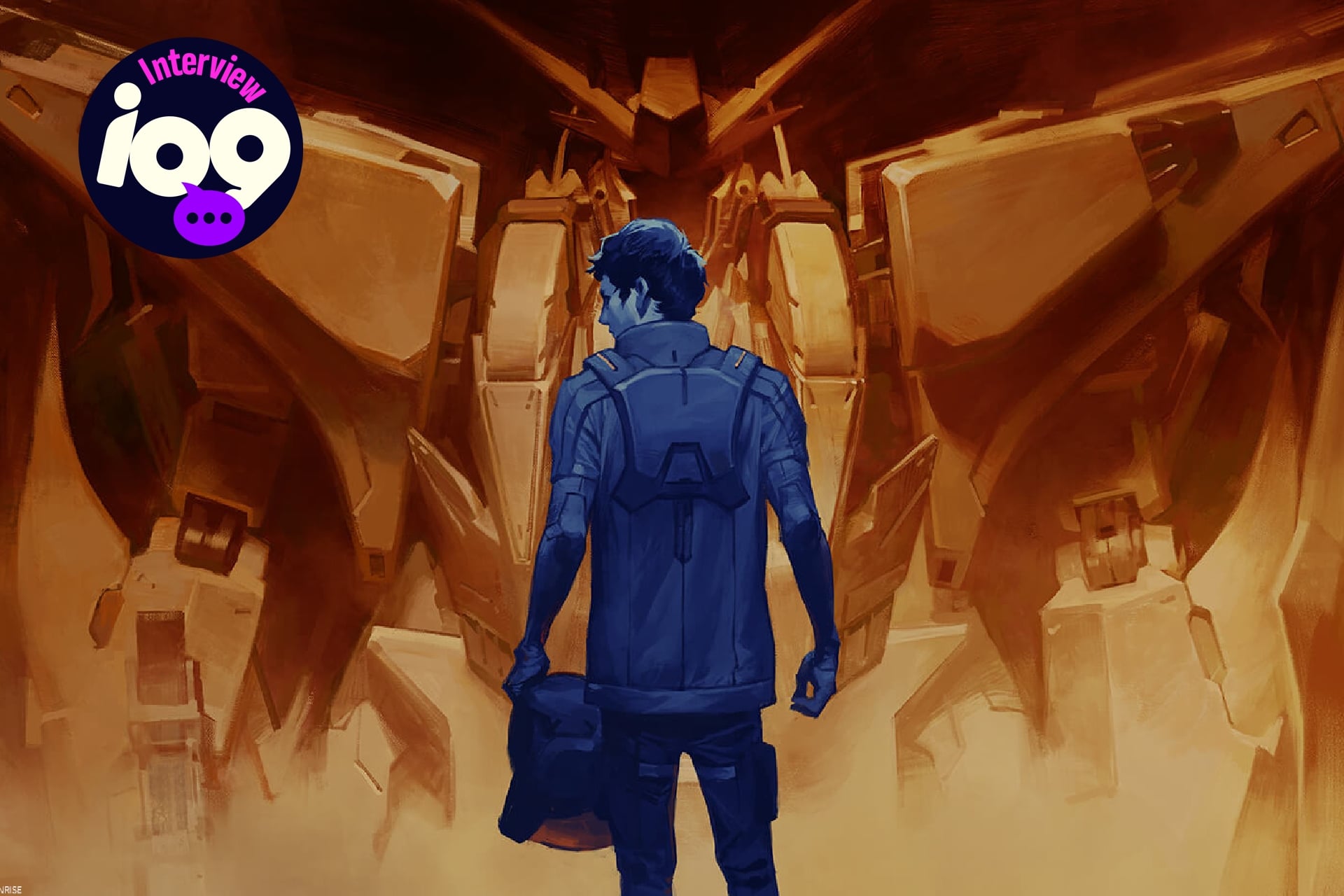
After five years, the long-awaited sequel in Bandai Namco Filmworks and Sunrise’s Mobile Suit Gundam Hathaway trilogy, Mobile Suit Gundam Hathaway: The Sorcery of Nymph Circe, will finally touch down in U.S. theaters this month.
Set in Universal Century year 0105 in Gundam‘s main timeline, the sequel picks up Hathaway Noa’s journey from the son of famed One Year War hero Bright Noa to the not-so-undercover leader of the resistance group Mafty’s fight against the Earth Federation’s increasingly totalitarian treatment of space colonists. Along the way, he crosses paths with Federation Commander Kenneth Sleg (Jun’ichi Suwabe), tasked with snuffing out Mafty and its so-called “Char-clone” leader. Both men’s objectives are made all the more complicated when they encounter Gigi Andulicia (Reina Ueda), a mysterious woman they encounter during a terrorist attack.
Whereas the first film leaned into the political intricacies of the trio’s predicament (and some of the franchise’s best mecha action), its sequel is poised to be an introspective character study of the troupe, placing even greater emphasis on how Gigi serves as the tie that binds their fates. We love messy situationships and mecha action in this household.
With that in mind, io9 spoke with Mobile Suit Gundam Hathaway: The Sorcery of Nymph Circe director Shūkō Murase about how it foregrounds its love triangle through music, how it balances Gundam’s “cool robots” appeal with its staunch anti-war ethos, and why fans tend to get lost in the sauce of its mech battles.
Isaiah Colbert, io9: Mobile Suit Gundam Hathaway: The Sorcery of Nymph Circe opens with SZA’s “Snooze” and closes with Guns N’ Roses’ “Sweet Child O’ Mine,” which delighted fans as much as it had them scratching their heads at how unique both songs would sound on an album together, let alone serving a Gundam story. What led to pairing Hathaway’s story with these particular songs as the film’s themes?
Shūkō Murase: I thought that using Western music for Gundam would be a very big hurdle, and I actually didn’t expect this to happen, to be honest. Gundam is a title that has been supported by fans for a very long time, and I felt that the fan base and Western music didn’t really go together. That’s what I thought. But as we created the visuals and the movie during the planning phase, I listened to and put down a lot of music that happens to be a lot of Western music.
When I was doing that for this movie, there was just this synchronization between SZA and “Sweet Child O’ Mine” to the point where I thought, “You know, if I don’t choose these songs, are there any other songs that would fit this closely?”
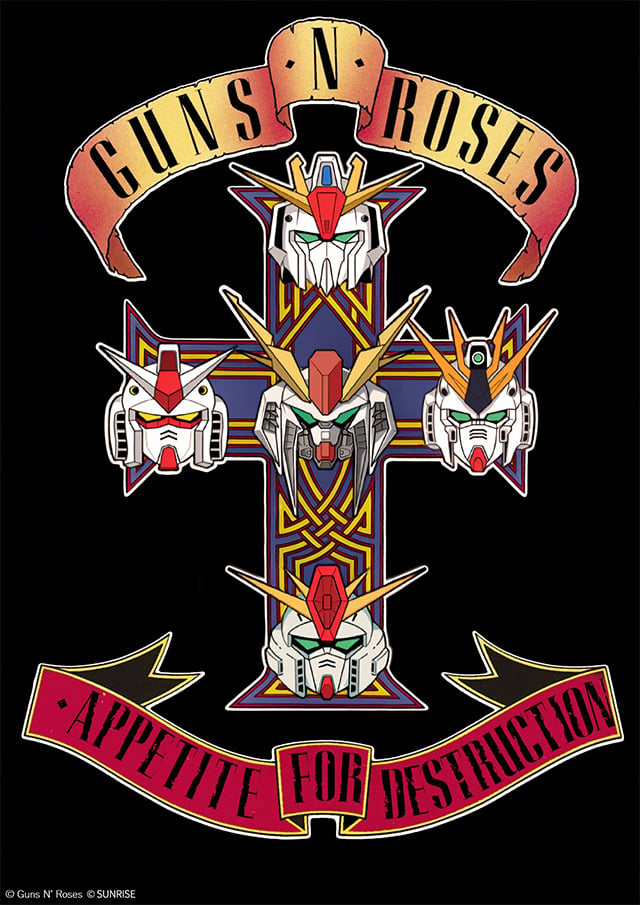
I asked the producers, “Hey, if there is any possibility that we can use these songs, could we please try?” And honestly, I thought it wouldn’t go through, and it did. It did get approved, and I was just as shocked as anybody else. I think that because I got into that mindset that it had to be these songs, it just happened—that was the result.
io9: Yoshiyuki Tomino remarked in the May 2026 issue of Animage (via Automaton) that many fans missed the message of Gundam’s anti-war stance, instead relishing in the spectacle of cool robots fighting, saying, “Even among Gundam fans, there are many who make statements that are a far cry from anti-war. They seem to be stuck in the mindset of mere military geeks, and in the end, perhaps nothing of substance is getting across.”
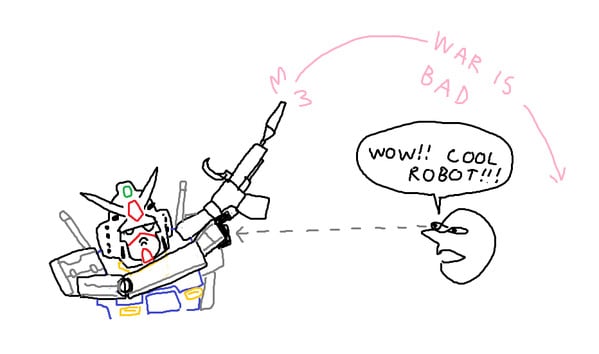
How do you see Sorcery of Nymph Circe engaging with or responding to that tension within the fanbase, mistaking cool mecha action for its commentary about war through a militaristic lens from the pilots in its cockpits and the civilians caught in the crossfire on the ground?
Murase: When Gundam started 40 years ago—the first Gundam—this phenomenon has been happening since then. Not only in Gundam, but also in any sort of military, gunfighting kind of action. These machines that are made to kill people, or these weapons that are made to kill people. There is an element that people find appealing and cool in a way and attractive.
That’s not Gundam‘s fault. That’s just human nature to kind of find these things appealing. If we think about whether the original Gundams (or the old Gundam movies and series) were always anti-war, not necessarily. However, Tomino-san’s visuals always included how humans start wars and are always involved in war and how reckless that is. He did depict that always.
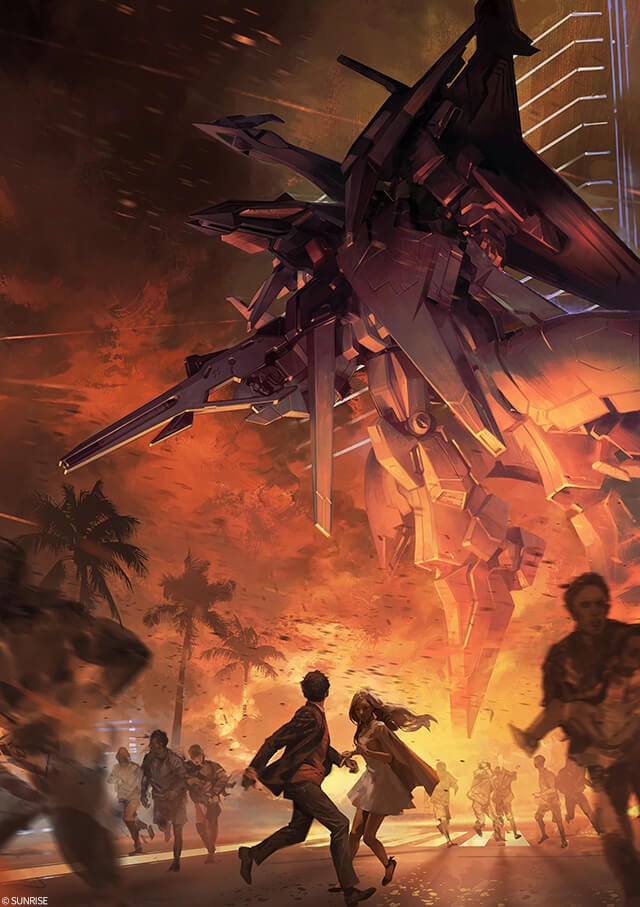
However, there is some appeal to these battle scenes as well. So it really depends on how people interpret that, and I think that’s what Gundam is really based on. Within Hathaway, I think there’s that balance as well. There are these violent fighting scenes, but we also, I think, depict the people who are involved in the crossfire of these huge mobile suits fighting each other. That’s really cool, but also, there are people on the ground who are almost getting stepped on and caught in the crossfire. We did focus on that.
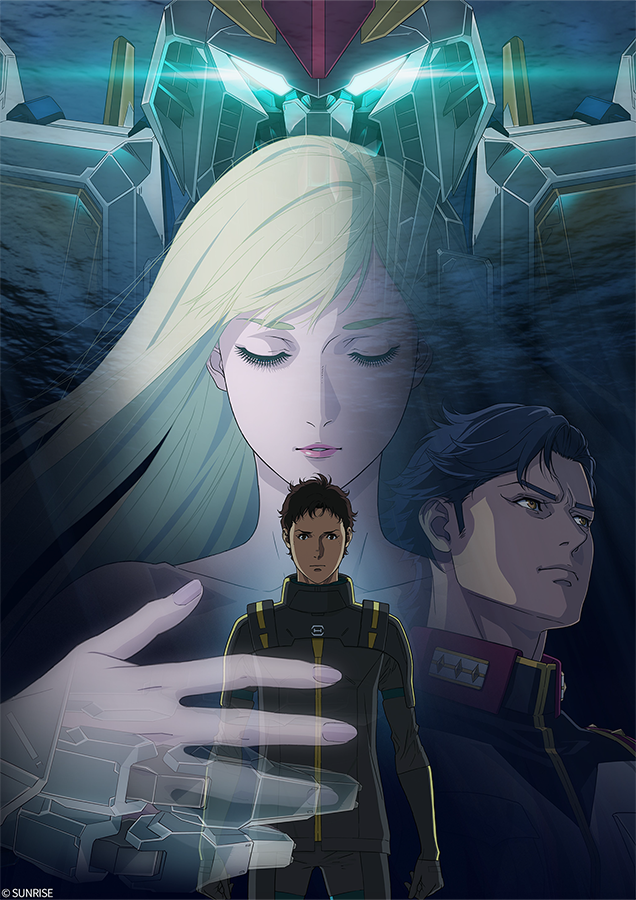
io9: The film’s love triangle among Hathaway, Gigi, and Kenneth serves as the emotional engine driving Nymph of Circe. What is it about romance that makes it such a persistent, foundational element in Gundam?
Murase: To put it simply, because Tomino-san liked that, I think that’s a big part of it. This love triangle was created by Tomino-san, and that is a part of his core storytelling. Having two men and a female is a pretty standard structure, even in live-action films. So, I think, as a story, it’s a very easy structure to work with.
Mobile Suit Gundam Hathaway: The Sorcery of Nymph Circe hits theaters on May 15.
Want more io9 news? Check out the best movies and TV shows to stream this month and all the upcoming sci-fi, fantasy, and horror books that should be on your radar.